

 All We Know We Know From LightLisa Bergmann Germany, 2016
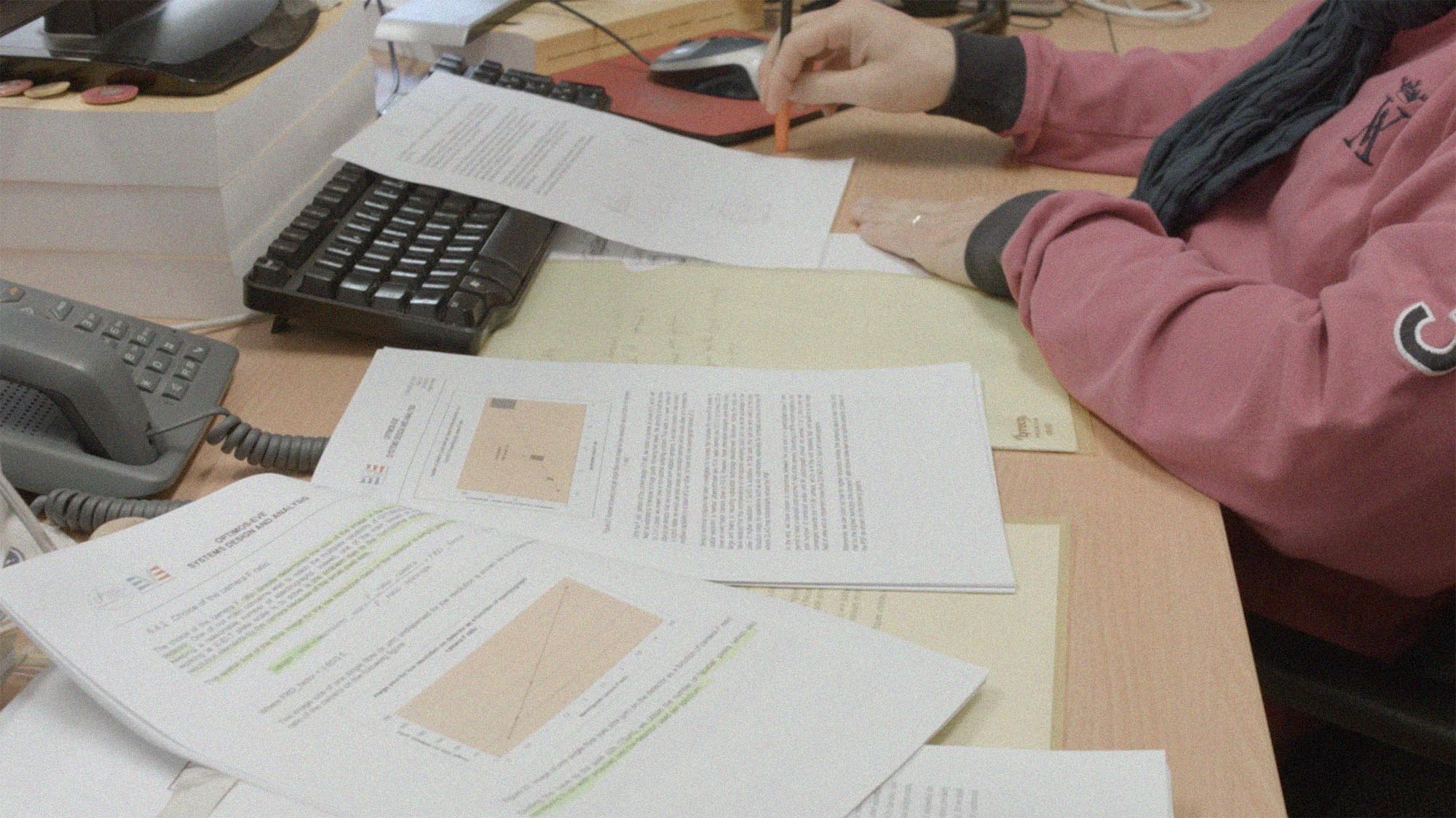
Space is explored in a Parisian institute - A documentary about scientific research and the beauty of abstract thinking.
More Info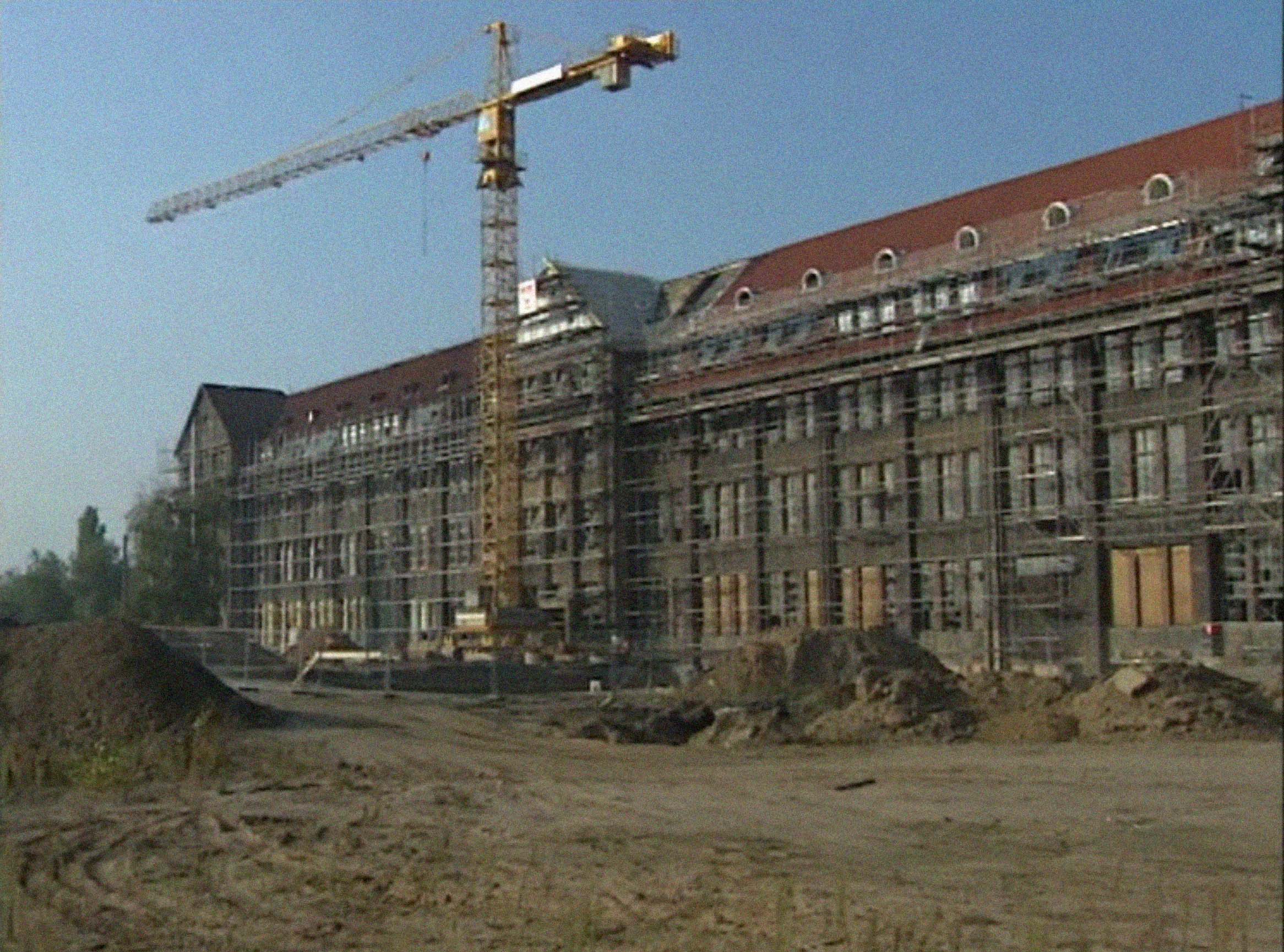 PatronenwaldSebastian Drost Germany, 1998
The building on Lorenzstraße. Who was Mr. Lorenz, what is Hallenbau A, what happened here?! Patronenwald explores the history of the munitions factory, the building that has been home to the HfG, the ZKM, and the Municipal Gallery since the 1990s.
In his documentary film, Sebastian Drost explores the history of the factory and the “foreign workers.” Using authentic material—including writings, regulations, and decrees from the General State Archives in Karlsruhe and interviews with former forced laborers—he creates an oppressive document of Nazi practices based on an exemplary case study.More Info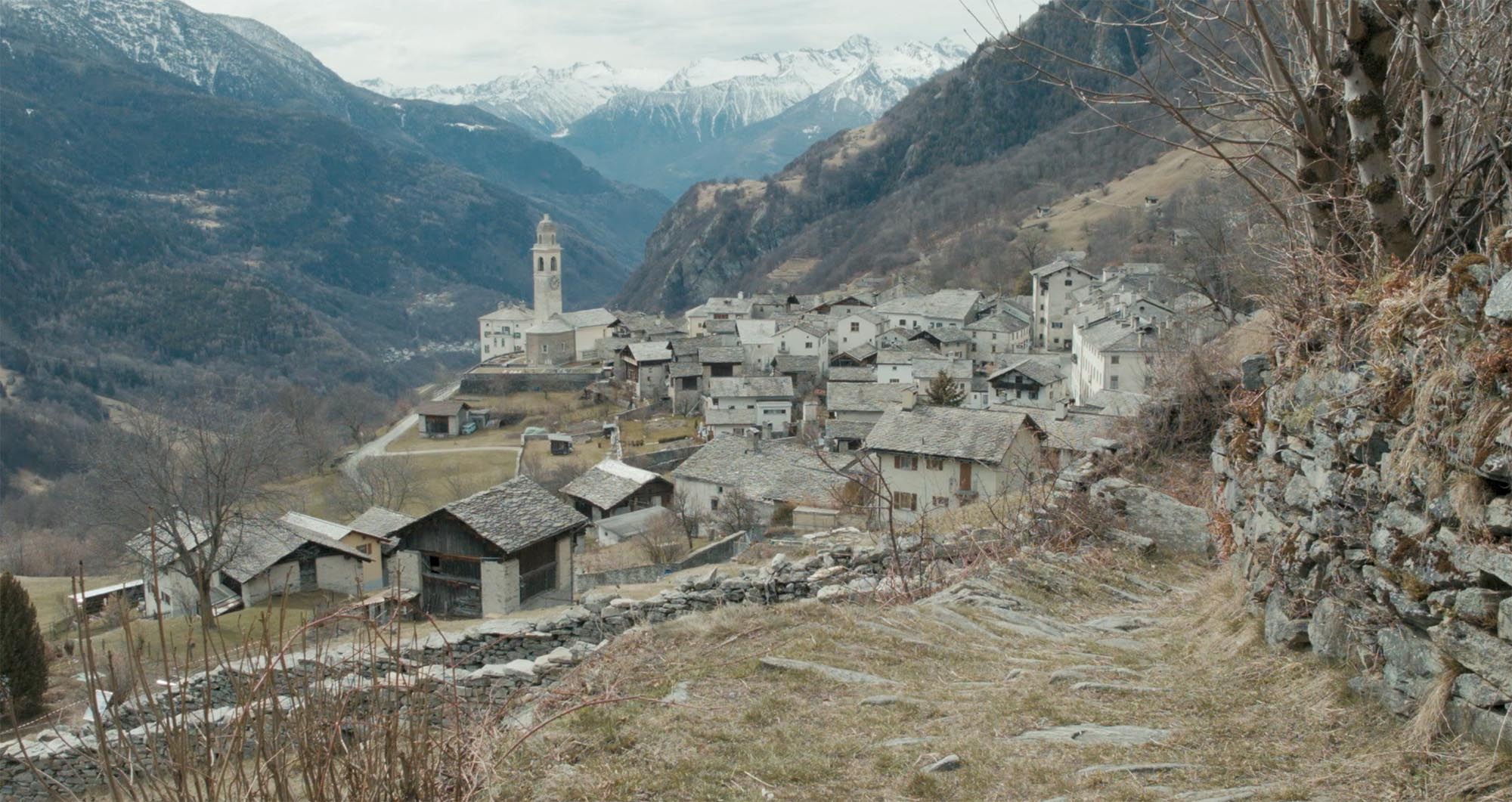 Etwas BleibtElenya Bannert Germany, 2017
Matteo ist alt, er lebt alleine auf einer Alm. Seine letzte Kuh will gemolken werden. Das Lesen fällt ihm schwer und auch sonst wird Matteo ein wenig vergesslich und wunderlich.
More Info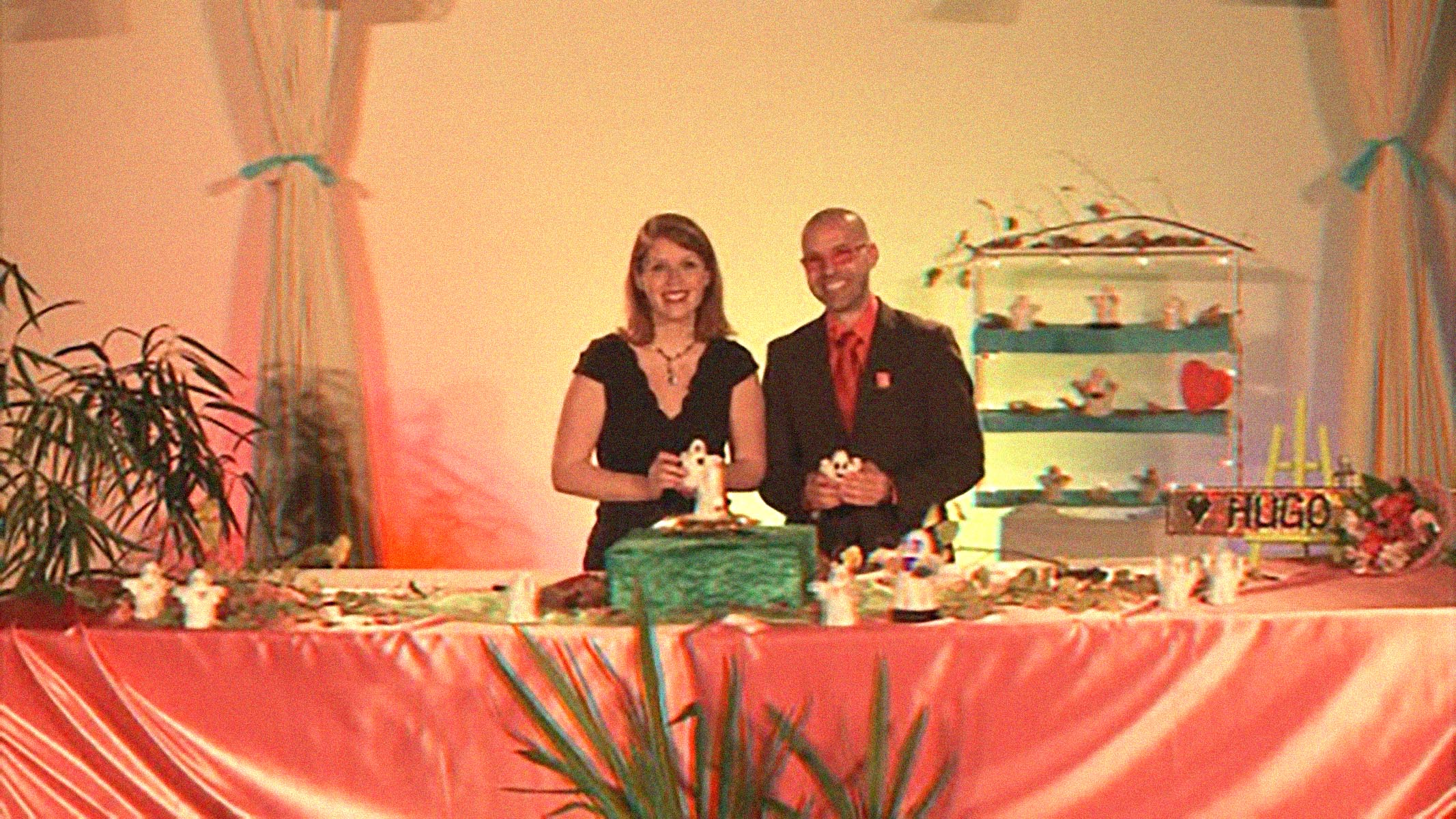 HfG 24Horst von Bolla Germany, 2013
Shopping television in a class of its own – and even in 3D! Absolutely incredible. Cult student Horst von Bolle's first and last film in 3D – because he thinks 3D is silly.
Horst von Bolle's crazy film ride celebrated its world premiere at the Beyond Festival in 2013. The film never made it to theaters (like many of the HfG productions) because no one wanted to take the risk. After that, the film was only available to fans on VHS and YouTube, where it has now gathered dust. Kino im Blauen Salon is now bringing the film back to theaters exclusively, well, almost... By the way, you can get 3D glasses HERE for an unbeatable 5 cents.More Info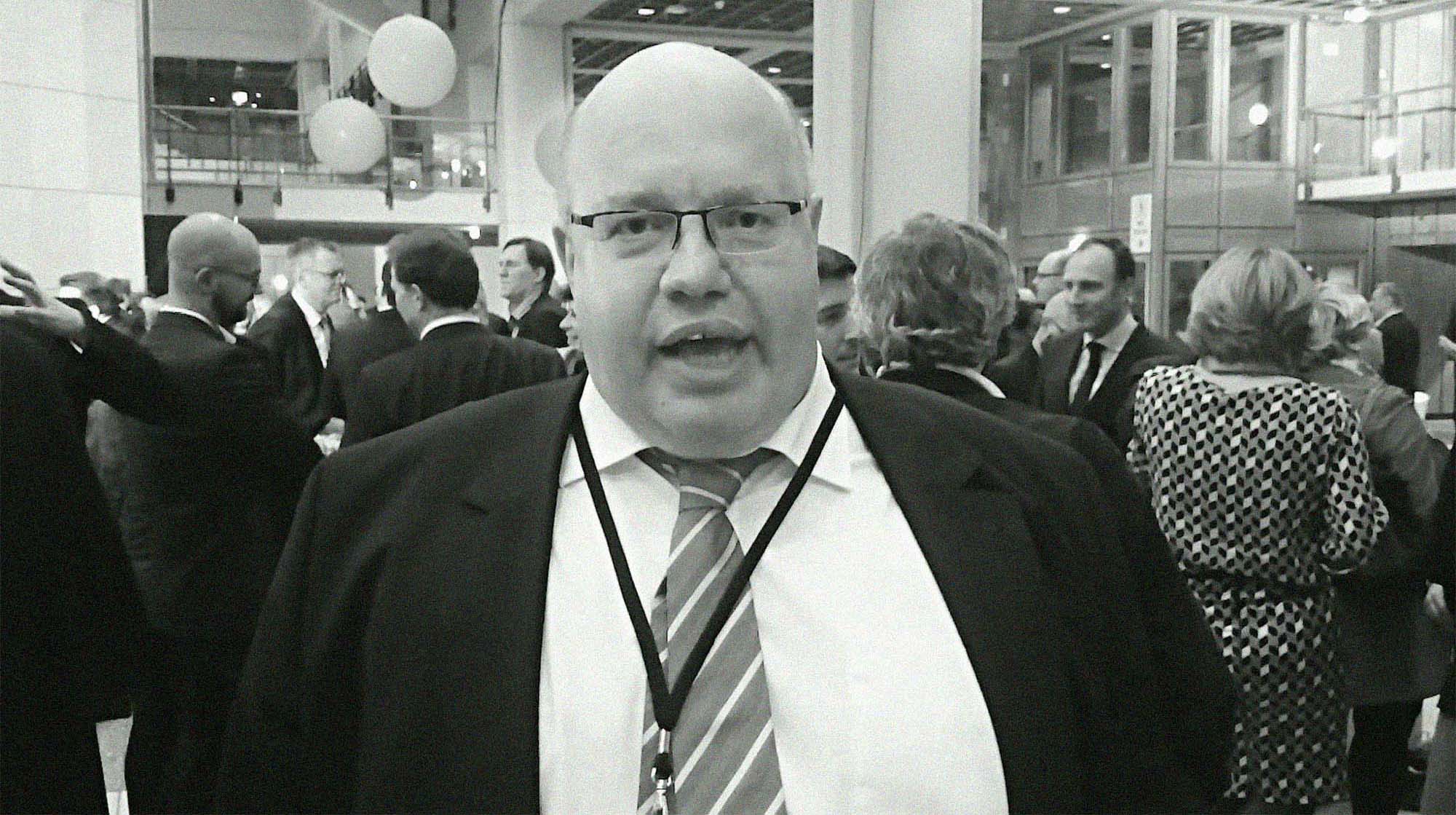 John MaynardMoritz Jähde, Valentin Pfister Germany, 2016
Peter Altmaier recites Theodor Fontane's poem John Maynard.
In our new film series Poetry Film, we present films that were created in Stephan Krass' seminar. In this legendary contribution by Moritz Jähde and Valentin Pfister, we witness a historic moment in politics, which was only made possible because the filmmakers illegally infiltrated the CDU party conference in the town hall. Respect.More Info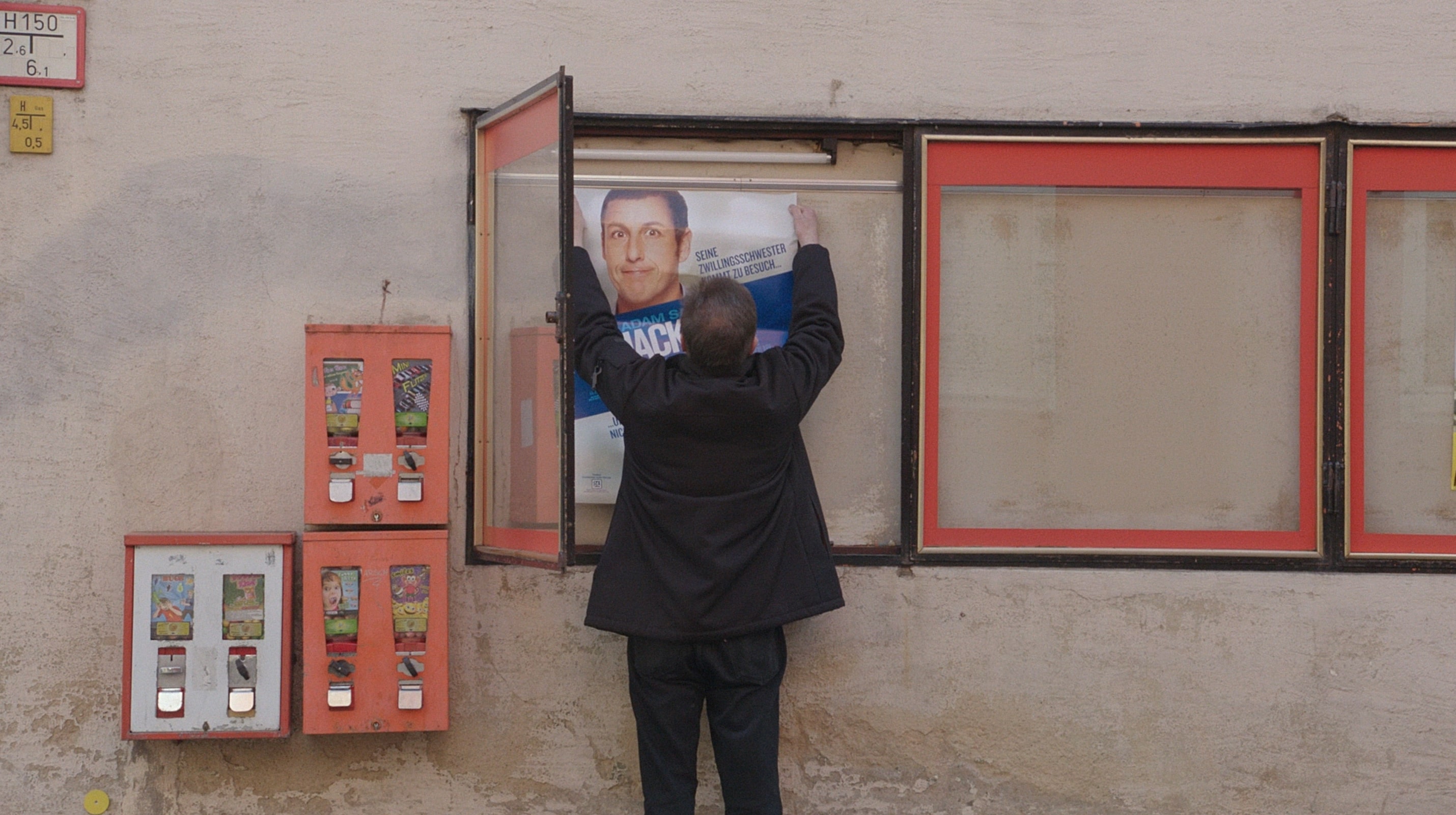 35mmJulius Waltenberger Germany, 2017
Two small cinemas in Germany on the threshold of digital operation. Between romanticism and realism: what will happen to cinema when film reels disappear?
More Info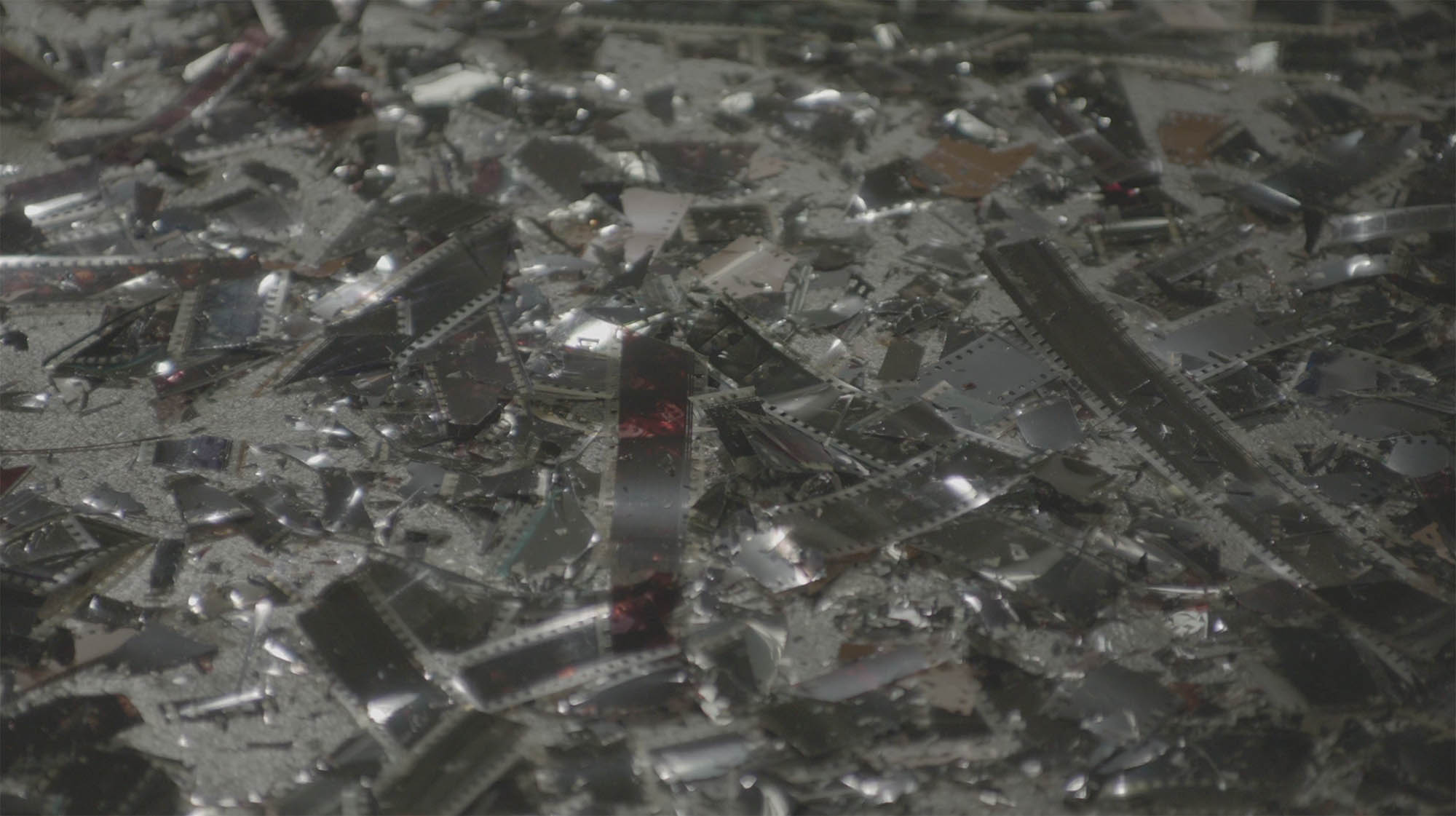 KaderPhilipp Diettrich Germany, 2016
Roll after roll of German movies are processed, cut up, and then burned at the film destruction plant. A hand slides over a list, and the verdict is handed down: Destroy. Destroy. And again: Destroy. Next, please.
More Info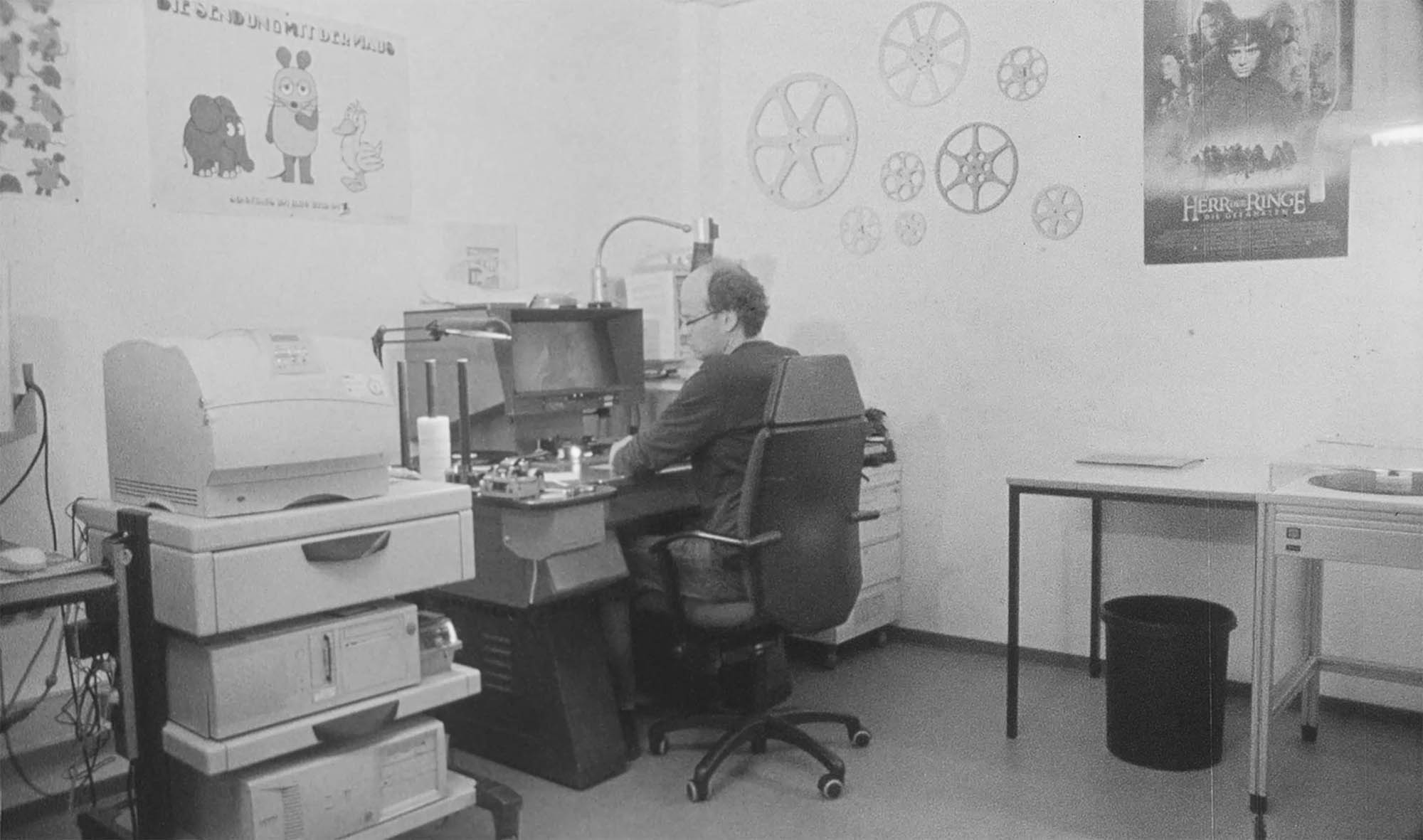 FilmkopierwerkFlorian Geierstanger Germany, 2012
The last rolls of film are being developed at the Baden-Baden copying plant. Once common practice, analog filmmaking has now become a marginal phenomenon.
More Info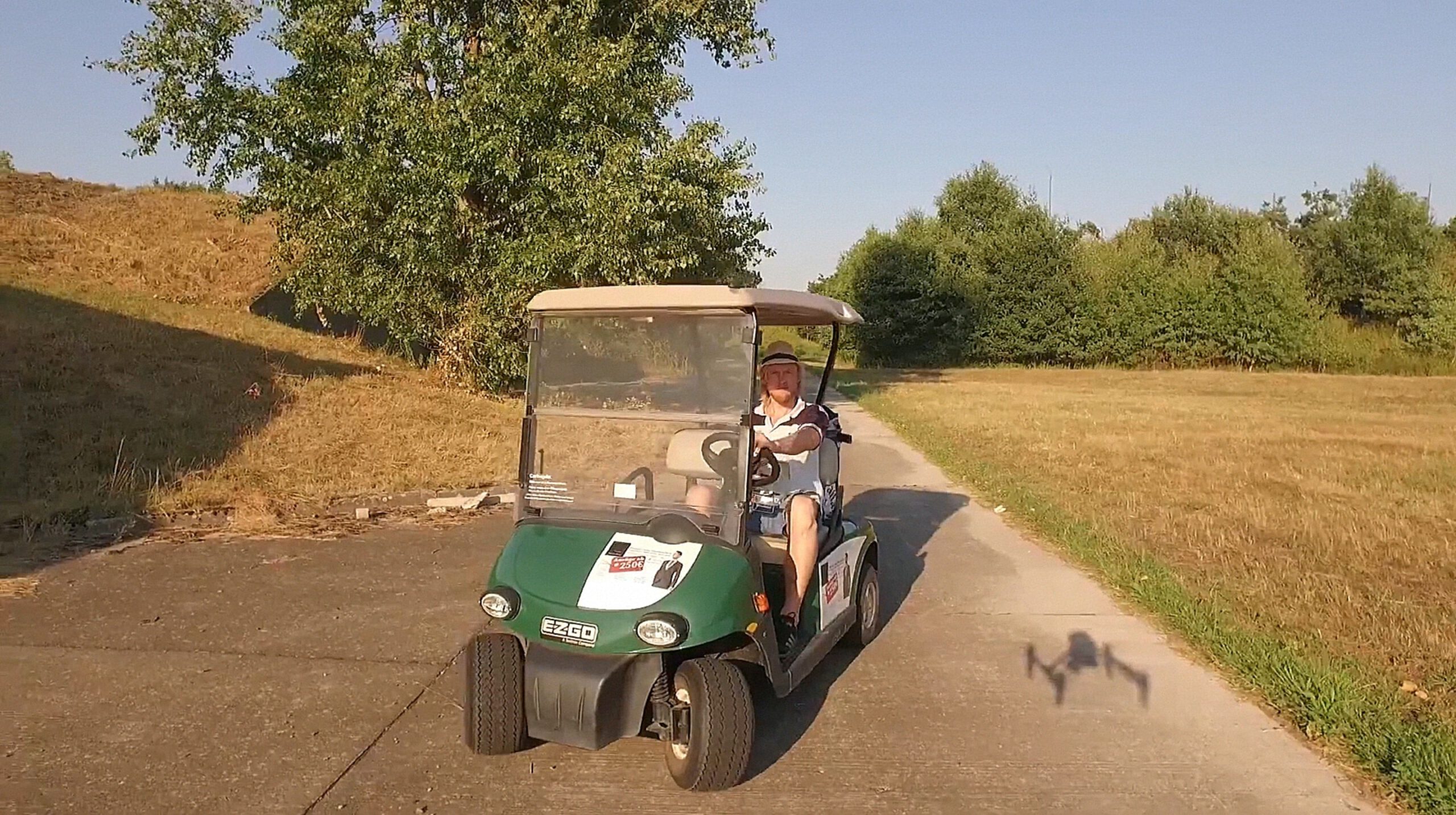 Don't Drone and DriveJens Willms Germany, 2015
Much has been reported about the link between alcohol and traffic accidents – but what about the link between drones and traffic accidents? HfG graduate Jens Willms gets to the bottom of this question in a daring self-experiment.
Unfortunately, we have no further information on this. Even the internet was unable to help us with our research. Jens Willms' short film is one of our favorites, a little treasure buried deep in the HfG archives. Perhaps it's better not to know any more. The poetry of this production is immediate, defying interpretation. Suspected cult material. We will continue this surprising excursion into unknown realms shortly, so stay tuned.More Info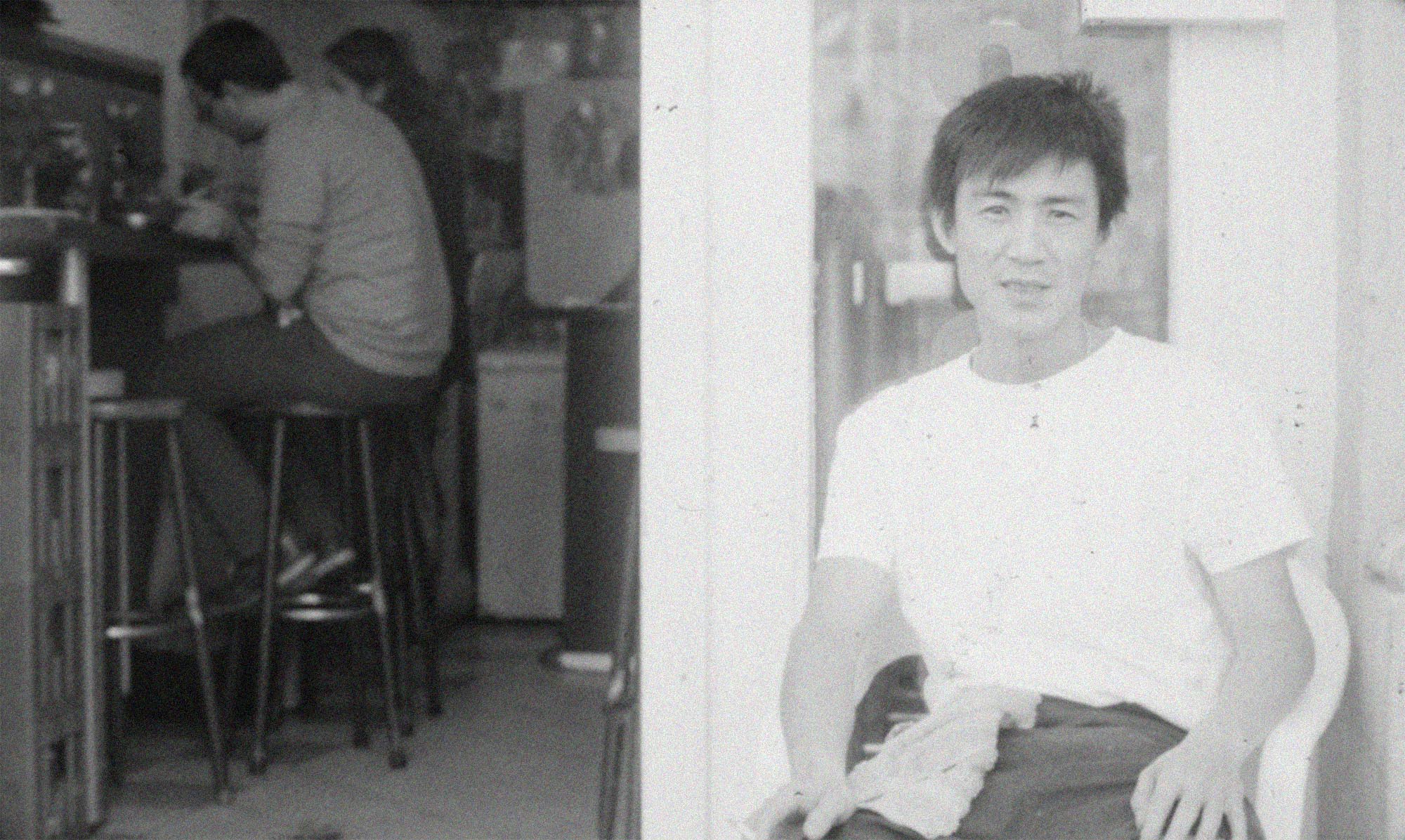 PandaSophia Schiller Germany, 2016
One kitchen, two tables, three chefs. The everyday life and routine procedures of the small restaurant open up space for the examination of human interaction and encounters in a tiny transit space.
In 2016, the observations entered their eighth round. After the “finger exercise” was initiated by Prof. Thomas Heise in 2009, Prof. Razvan Radulescu launched a new edition of the format. Sophia Schiller's contribution revisits the idea of the former cooperation between the HfG and the University of Music, in which students from the MuHo Karlsruhe set the films to music. In this case, contemporary jazz improvisation, played by the filmmaker's sister.More Info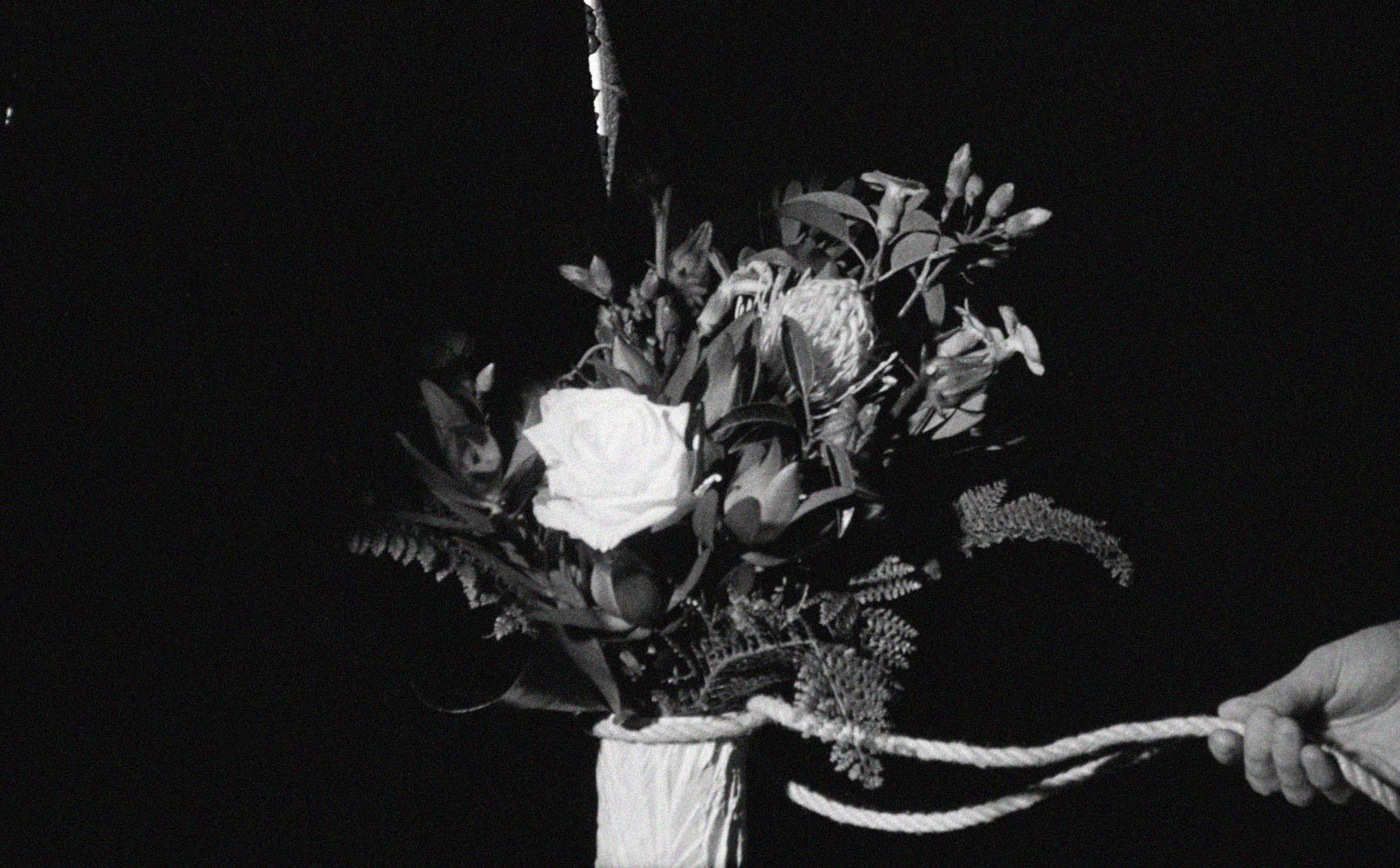 Dissapointment ArrangementJason King Germany, 2016
In his “observation” Disappointment Arrangement, Jason King examines a bouquet of flowers. Created in the Observations seminar, shot without sound on 16mm film, a still life is viewed scenically. Roses are red, violets are blue...
The so-called “Observations” have been created at the HfG since 2009. Professor Thomas Heise introduced this exercise, in which two formal guidelines shaped the films: Everyone was assigned a roll of 16mm film (approx. 11 minutes) and had to observe something. No sound was recorded and the films were developed by hand in a chemical bucket (wearing protective gloves).More Info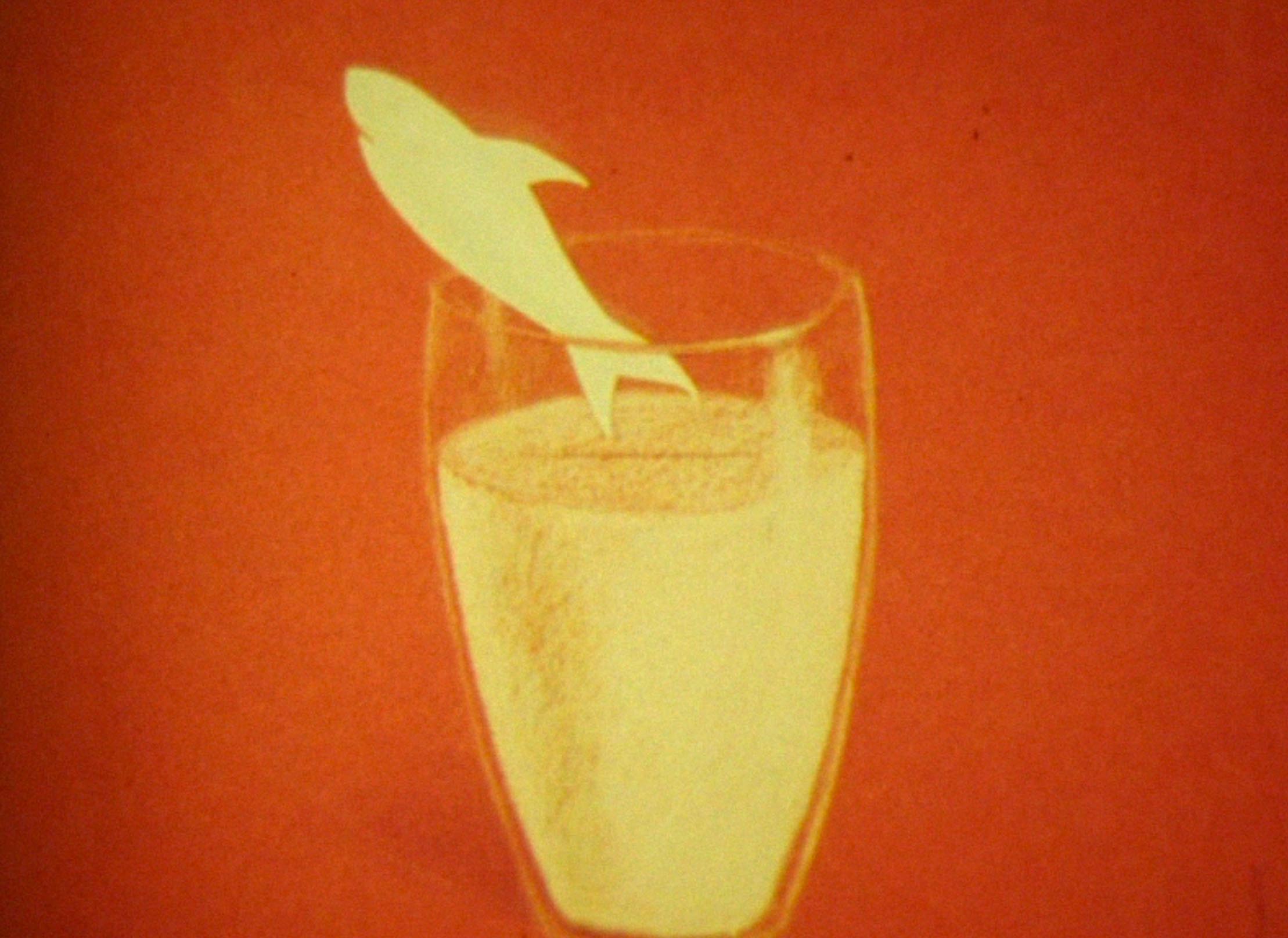 14 masterpieces of film historyJulia und Patricia Germany, 1996
This early work in the history of HfG film, in which even the filmmakers' first names have been retained, shows us a very personal approach to 14 classics of film history.
The HfG DVD edition Animata (2015), which is dedicated to the publication of HfG animated films, has rediscovered this small but fine animated film from the 1990s, among others. Produced analogously with 16mm material on an animation table, the students “Julia and Patricia” give us their very own view of film history. If anyone can remember the filmmakers' full names, we would be happy to pay them this final tribute.More Info Szene MarleneDavid Loscher Germany, 2014
A playful portrait of a young woman.
This portrait by HfG alumnus David Loscher retains only one aspect of Thomas Heise's dogmatic design: the 16mm material—filmed and then developed in a bucket. Otherwise, Loscher sticks to his own rules. Echoes of the protagonists of Godard and Truffaut and a rejection of the documentary format. This is a portrait, not a documentary.More Info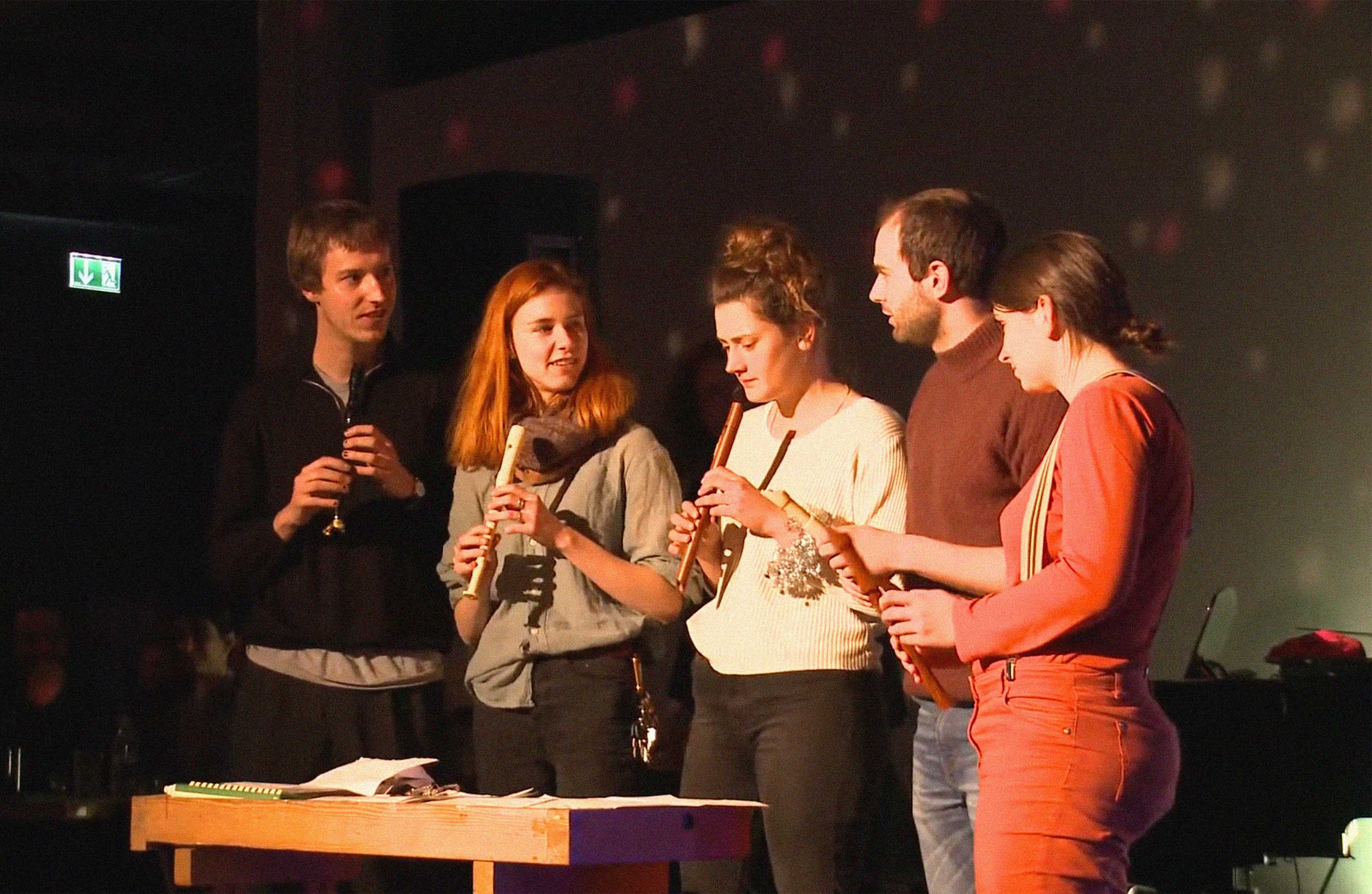 Die Fünf Flötis & ihre Flotten FlötenAlexander Thelen Germany, 2017
HfG Christmas party 2017: The Fünf Flötis and their Flotten Flöten give one of their most beautiful concerts on an unforgettable evening in December. Merry Christmas!
Philip Lawall, Anja Ruschival, Valentin Pfister, Leonie Ohlow and Lena Loy flute for all they're worth. Included in their repertoire: “Tochter Zion”, “Was soll das bedeuten” and above all their hit “Last Christmas”. Incidentally, the Flötis started their career at the HfG Christmas party last year and have been making Karlsruhe's Christmas markets unsafe ever since. In 2017, the HfG Karlsruhe imposed extra budget restrictions in order to hire the Flötis, who had become very expensive in the meantime, once again for the Christmas party.More Info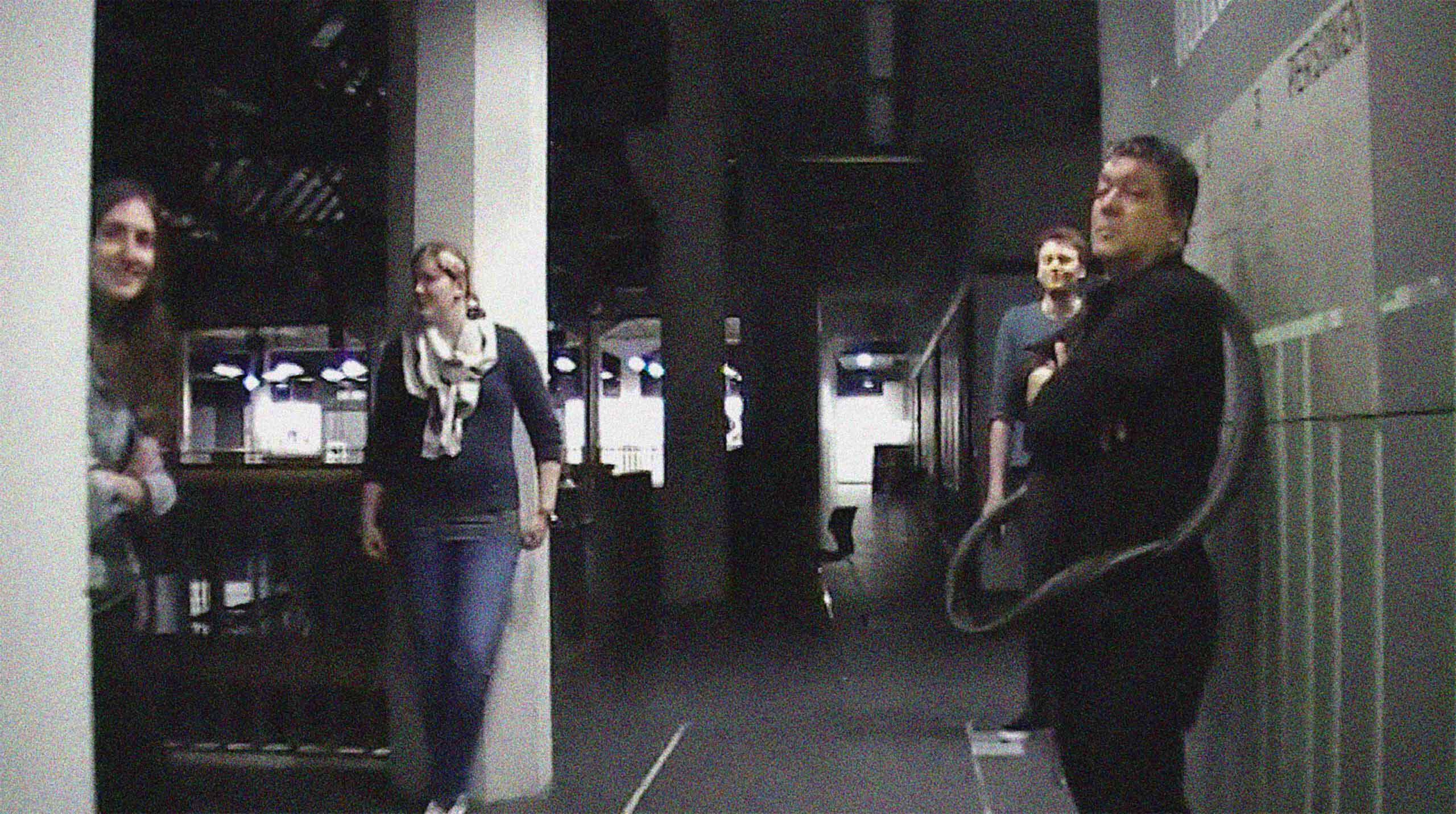 Die HfG Wochenschau 18/4Philip Lawall, Jason Stewart Germany, 2018
We remember the HfG Wochenschau! These informative short reports were produced weekly by the cinema team in the winter semester 2017/18 and shown before the screenings in the Blauer Salon. We are exclusively showing the first newsreel from calendar week 4, 2018. One week of HfG - one week of total madness!
In the fall of 2017, the HfG cinema team discovered hundreds of historical German newsreels in the basement of a cinema. When viewing this format, which informed viewers worldwide and up until the 1980s about current weekly events before cinema films, it became clear that the HfG immediately needed its own newsreel. Everything that happened in the building was documented every week and presented daily before the films in the Blue Salon.More Info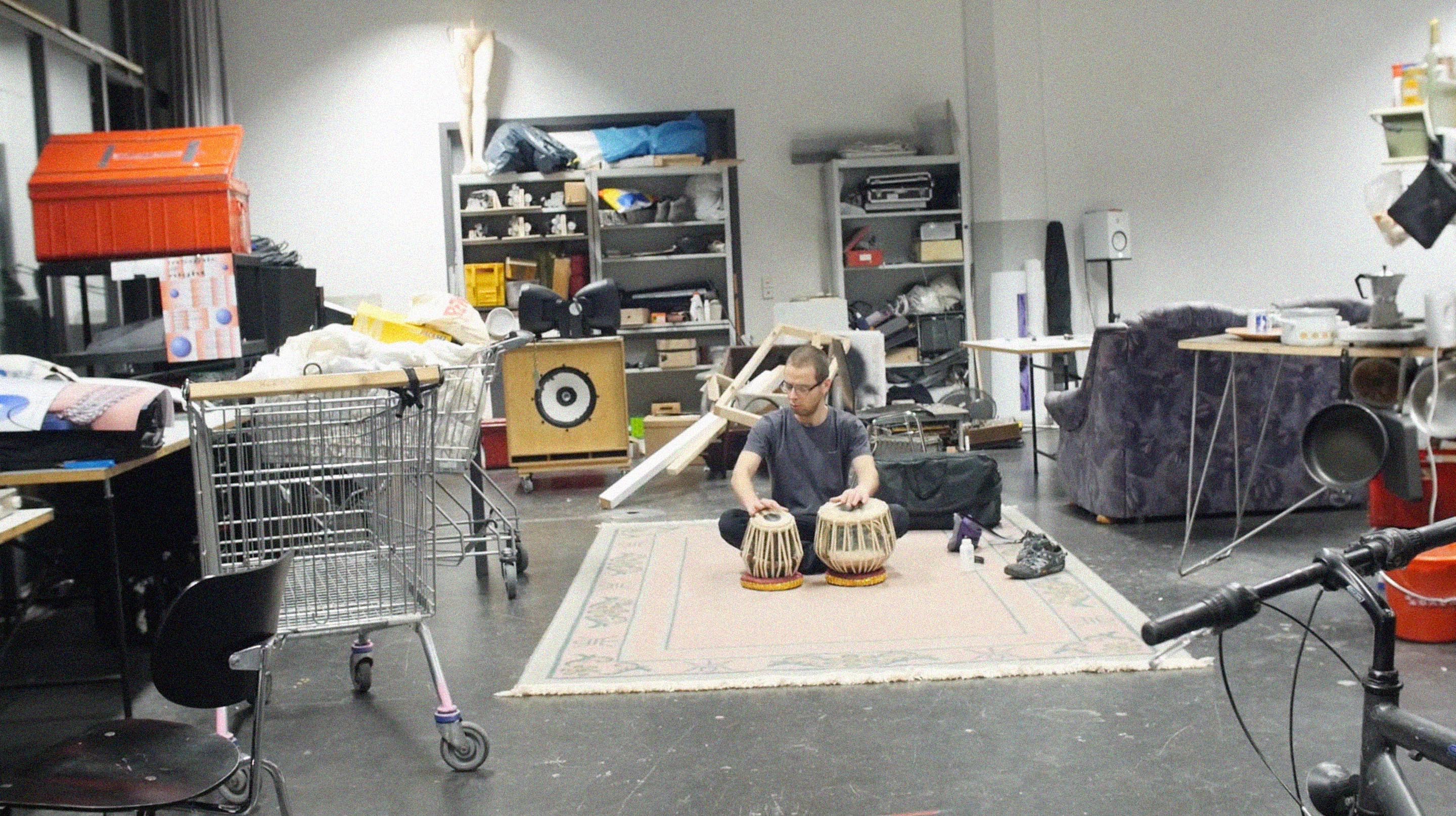 Die HfG Wochenschau 18/5Philip Lawall, Jason Stewart Germany, 2018
Now it's time for the second part of the HfG Wochenschau! In the fifth calendar week of 2018, employees are introduced, jokes are told, tracks are read and things, er... storyboards! are edited. Very informative, as always.
In the fall of 2017, the HfG cinema team discovered hundreds of historical German newsreels in the basement of a movie theater. When viewing this format, which informed viewers worldwide and up to the 1980s about current weekly events before movies, it became clear that the HfG immediately needed its own newsreel. Everything that happened in the building was documented every week and presented daily before the films in the Blue Salon.More Info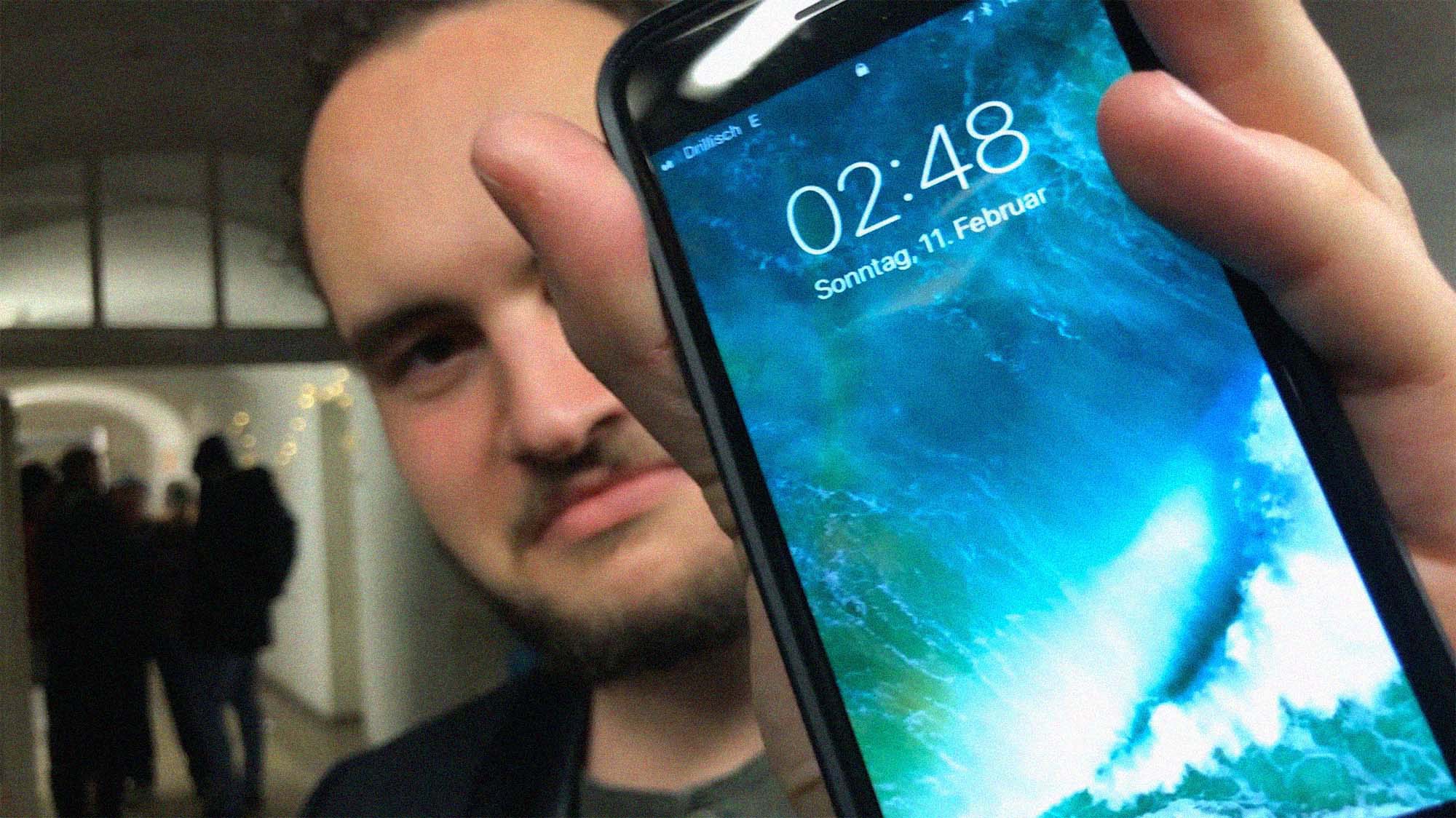 Die HfG-Wochenschau 18/6Philip Lawall, Jason Stewart Germany, 2018
In the third and final episode of the cult weekly show, the really big questions are answered: What does KD actually stand for? How do you use a hammer? And: Which parties are better, those at the Kunstakademie or the HfG? Tune in and find out!
The new - now divorced - Chancellor Christiane Linsel will also be introduced!
In the fall of 2017, the HfG cinema team discovered hundreds of historical German newsreels in the basement of a movie theater. When viewing this format, which informed viewers worldwide and up until the 1980s about current weekly events before movies, it became clear that the HfG immediately needed its own newsreel. Everything that happened in the building was documented every week and presented daily before the films in the Blue Salon.More Info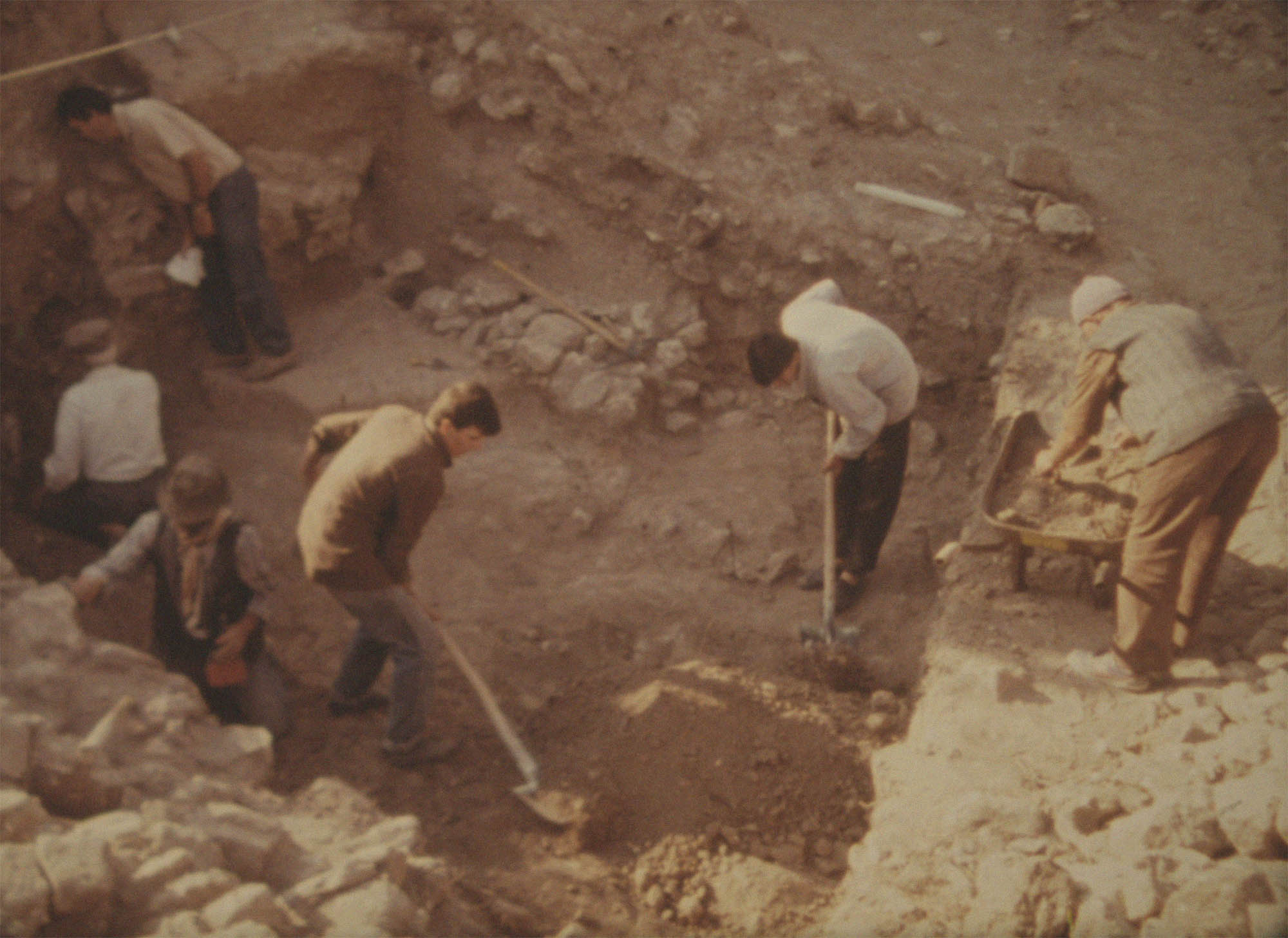 Der Schatz des PriamosChristian Haardt Germany, 2014
Christian Haardt weaves a new story from ancient HfG archive material that flickers by like a dream - pure imagination!
Did you know: Christian Haardt's Vordiplom was not actually intended as a film - but as an installation! The film material was running on the editing table: an experimental film edited together from copies of students' works found in the film archive, which weaves together a wide variety of stories to create a universal story. This is the first time we have been able to show the film. Thank you for that!More Info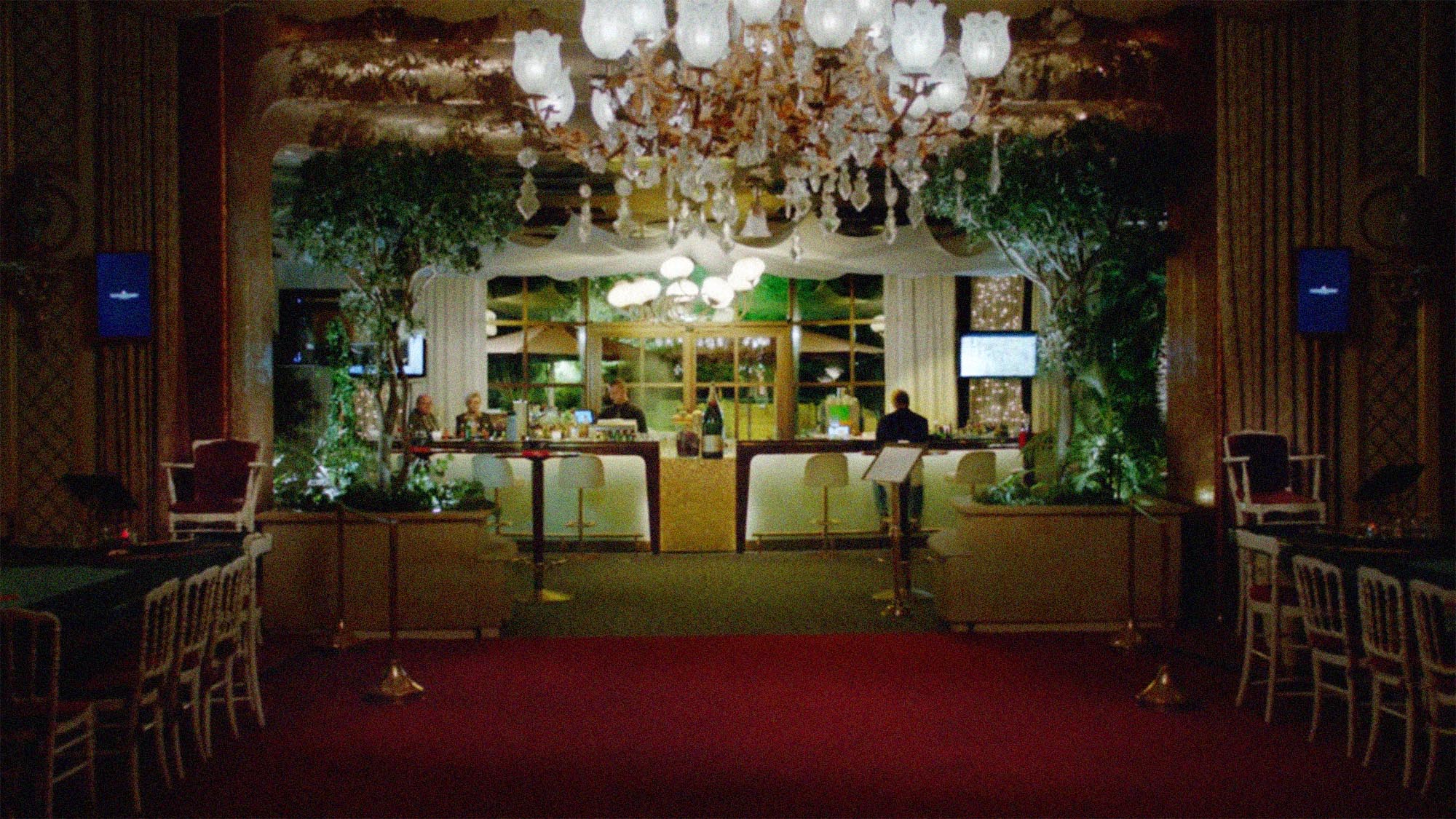 SpielBastian Epple Germany, 2013
Hands exchange banknotes for plastic. Spiel is a 3D documentary about the business of gambling. In atmospheric images, it observes the operation of the Baden-Baden casino.
Something very interesting happens in Bastian Epple's film: the documentary images that accompany the operation of a casino increasingly slip into an atmospheric story of people, machines and movements. The film oscillates between reality and fiction, the movements of this pendulum become ever larger and ultimately blurred.More Info Was wäre wenn die BlumeSarah Thöle Germany, 2008
Was wäre wenn die Blume jene Erde unter sich verabscheuen würde? Ein Gedicht wird zur Frage und fordert zum Gespräch auf – Eine erstaunlich tiefgründig endende Aktion…
Sarah Thöles Film feierte beim 4. Internationalen Zebra Poetry Film Festival 2008 in Berlin Premiere. Das kurze Gedicht des Iraner Künstlers Shooresh Fezonis wird erst zur Frage und dann zur Einladung Nachzudenken über Menschliches, Allzumenschliches. Im Naturgarten Thöle hören wir das Philosophieren der Kundinnen und Kunden während die Bilder die Blume und ihre Erde zeigen.More Info