

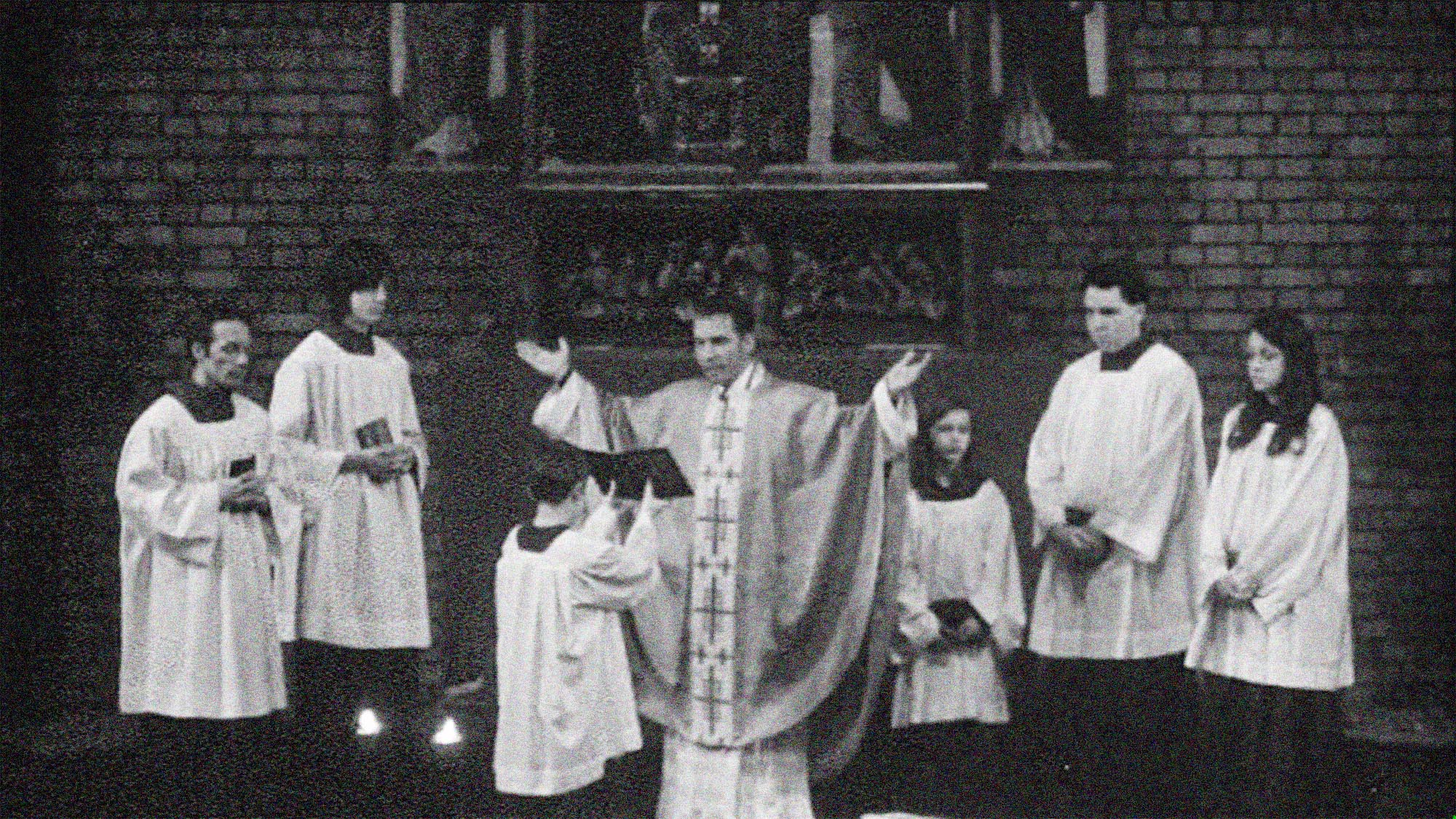
 SonntagsRobert Hamacher Germany, 2010
On Sundays in church, communion is distributed, the organ is played, and hymns are sung. A classic Heise observation.
Since 2009, the so-called “observations” have been created at the HfG. Professor Thomas Heise introduced this exercise, in which two formal guidelines shaped the films: each participant was assigned a roll of 16mm film (approx. 11 minutes) and had to observe something. No sound was recorded, and the films were developed by hand in a chemistry bucket. This film comes from the third series of observations.More Info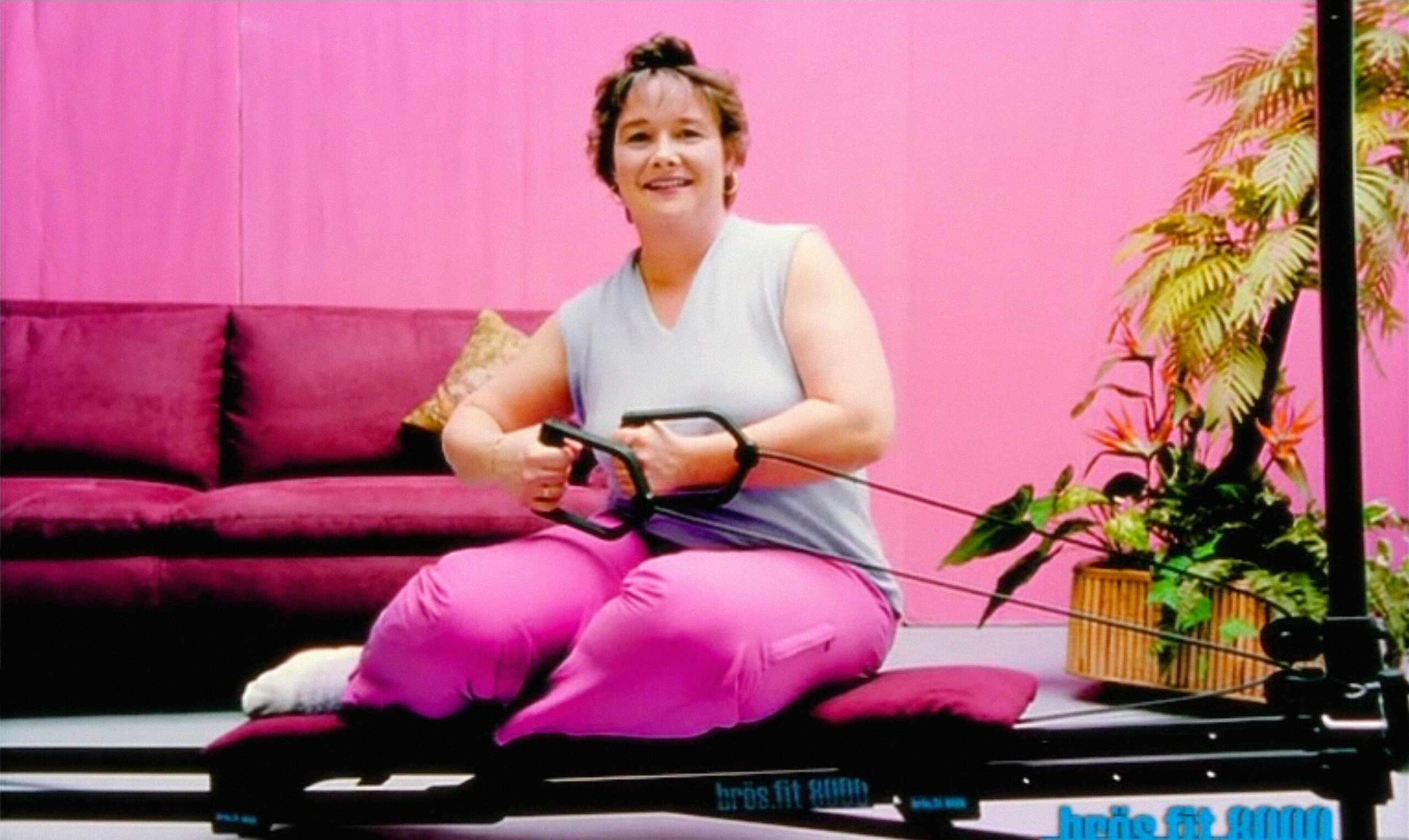 Märtini Brös – Dance Like it is OKAnna Karina Birkenstock Germany, 2002
Here is a very successful music video from HfG history. Rotated on VIVA, MTV, etc. According to the professors' verdict (see trailer), the industry is being fought with its own weapons. Consumer criticism as a Trojan horse with a six-pack – but it works surprisingly well...
How do you make someone realize that what they are watching is bullshit? According to the verdict of our panel of experts (see trailer) in the film review, we are witnessing social criticism in which the industry is being beaten with its own weapons. Or perhaps this production was successful because it shows what we all want to see when we watch MTV. Spookily contrasting claims – as always, the truth probably lies somewhere in the middle.More Info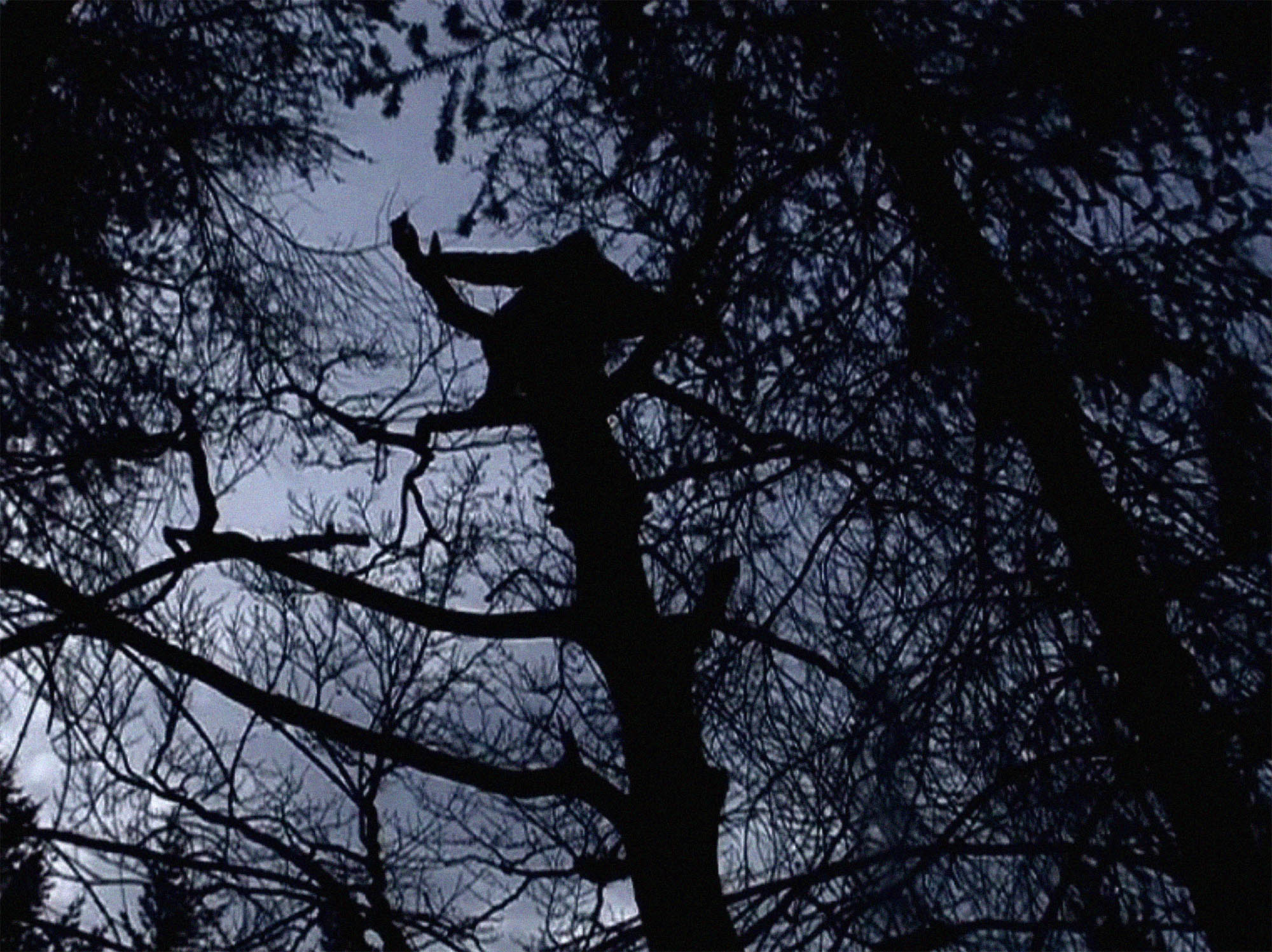 Der schöne 27. SeptemberDavid Loscher Germany, 2008
The poet, sitting on the highest treetop, reflects on the unaccomplished tasks of the day on September 27...
HfG alumnus David Loscher recites Thomas Brasch's poem Der schöne 27. September (The Beautiful September 27) while sitting in a tree. In a single 4-minute long take, a person, the artist, emerges from the gnarled silhouettes. He looks through the treetops into the cool Karlsruhe evening, recites his poem, and climbs back down to earth.More Info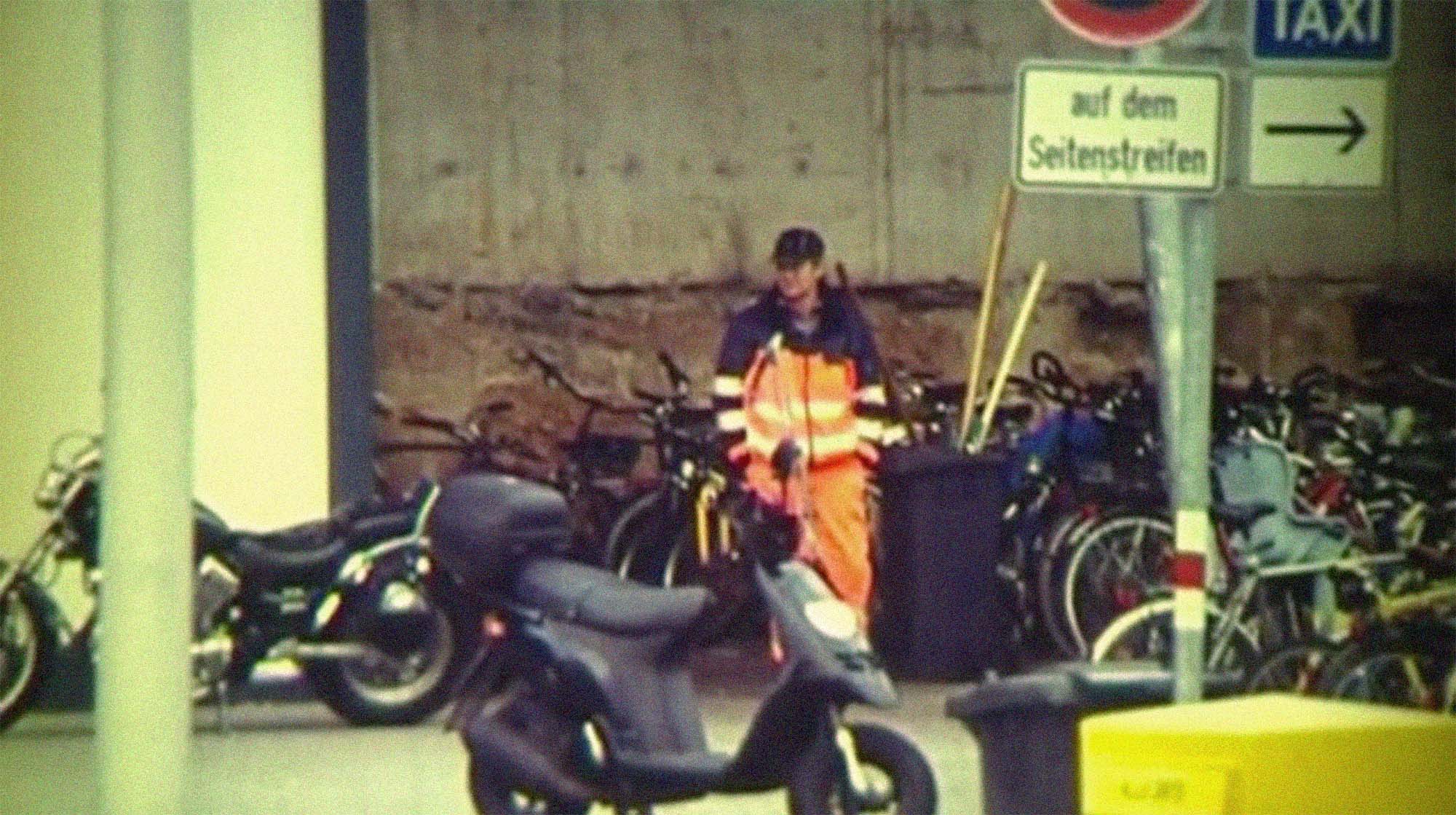 Südausgang HauptbahnhofEva Hartmann Germany, 2008
This camera exercise captures a portrait of the south exit of Karlsruhe Central Station. Almost 20 years later, it is all the more valuable, as all that can be seen there now are the glass facades of 1&1.
A small piece of city history: in Eva Hartmann's observation of the south exit of the main station, we see the now completely built-up rear exit of Karlsruhe's main station and follow the street sweepers at the old bus station. The film was part of a camera exercise with cinematographer Jutta Tränkle, who was invited by Thomas Heise. All films were shot in color and 16mm at the time, and the sound was added in a sound editing seminar.More Info Zweite Beobachtung: FriseurConstantin Nestor Germany, 2009
In Constantin Nestor's observation, everything is colored and cut to the max. Wash, lay out—and hopefully it will be pleasing in the end.
Since 2009, the so-called “observations” have been created at the HfG. Professor Thomas Heise introduced this exercise, in which two formal requirements shaped the films: each participant was assigned a roll of 16mm film (approx. 11 minutes) and had to observe something. No sound was recorded and the films were developed by hand in a chemical bucket. This film comes from the third series of observations.More Info Legnica 2000Oliver Karl Boeg Germany, 2000
A man is sitting at a long table, waiting. We’d love to know what for. But something is brewing. Something is coming towards him, getting closer and closer; it giggles and squeaks, wobbles – there are more and more of them – they round the corner, sweeping passers-by along with them, and then: “FLATSCH”! It was found on the DVD “HfG Trash Filme” and, in our editorial opinion, was quite rightly included in this collection.
More Info Ohne TitelEva Teppe Germany, 2002
Lost and rediscovered Super 8 footage from the World Trade Center. A cautious approach to appropriation.
Eva Teppe's Untitled was released on the DVD series “HfG-Filme 2001-2003,” edited by Didi Danquart and Boris Michalski. In addition to the collected films, there was also a short discussion between Boris Michalski, Didi Danquart, Bernd Schoch, and Nico Hain (then students) about each of the films. Over wine and candlelight. A format that definitely needs to be revived!More Info LyricsHendrik Vogel Germany, 2008
An audiovisual experience – actually an audio piece. A poetry film without poetry – is that possible?
What is poetic? What is poetry? – A question that played an important role for Hendrick Vogel during his exploration and work on the film. Does it have to be a poem? Which images are poetic? In this film, Lyrics, a film quote from the film Ghosts, discovered in the music of a Swiss artist (Kalabrese – Cityblues), served as a poetic element.More Info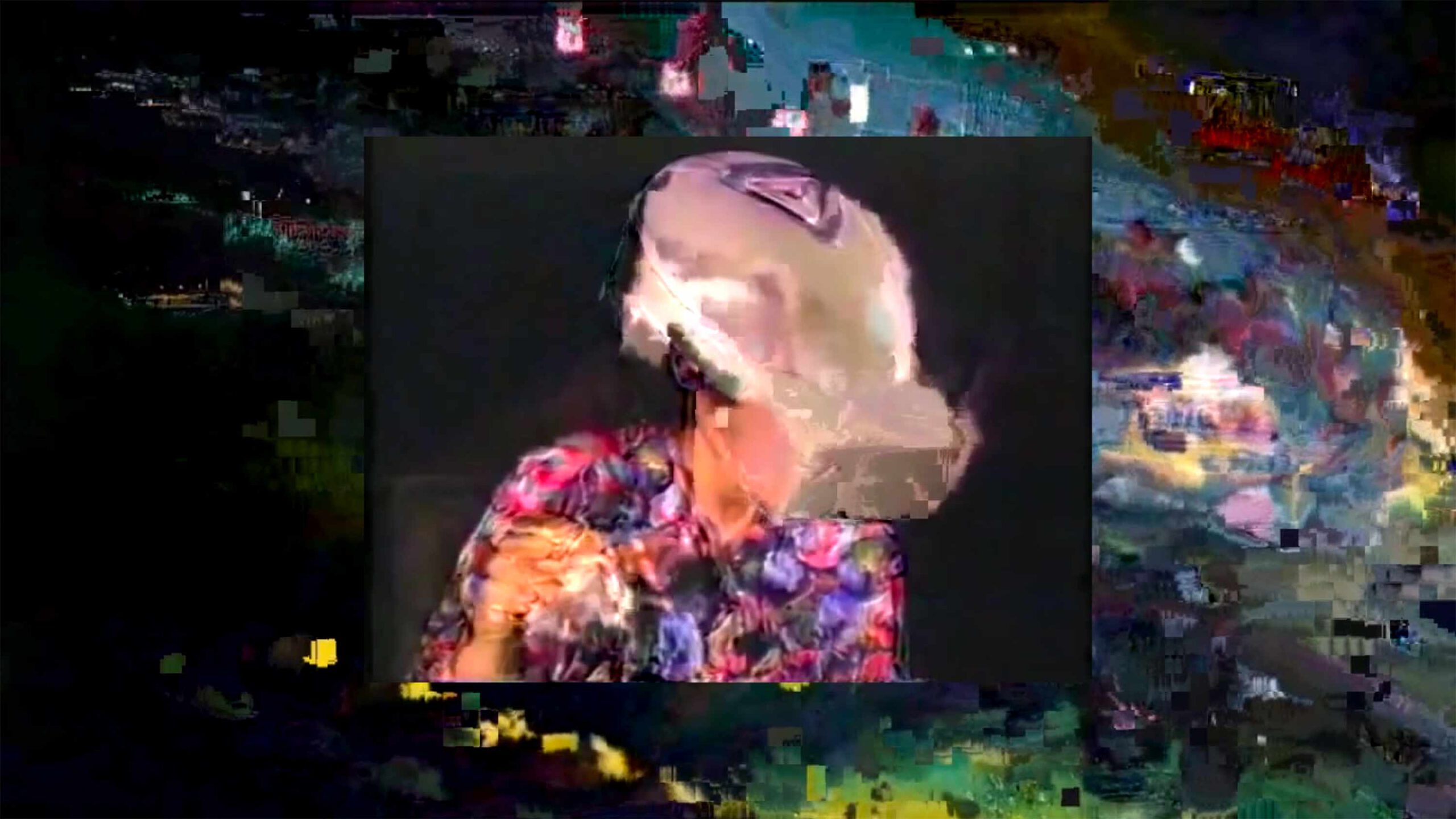 TranslationValentin Pfister Germany, 2016
A person experiences changes in their environment that become part of an alternative reality.
The descriptive text is short and concise, just like the video. As always in the poetry film category, this film is also based on a poem: “Translation” by Conor O'Callaghan. On the other hand, the film is based on the fact that Valentin Pfister can make cool videos and two of his friends (Grischa Erbe, Lukas Hager) can make music that is no less cool. Together, this results in what we think is a very cool poetry film or a cool video.More Info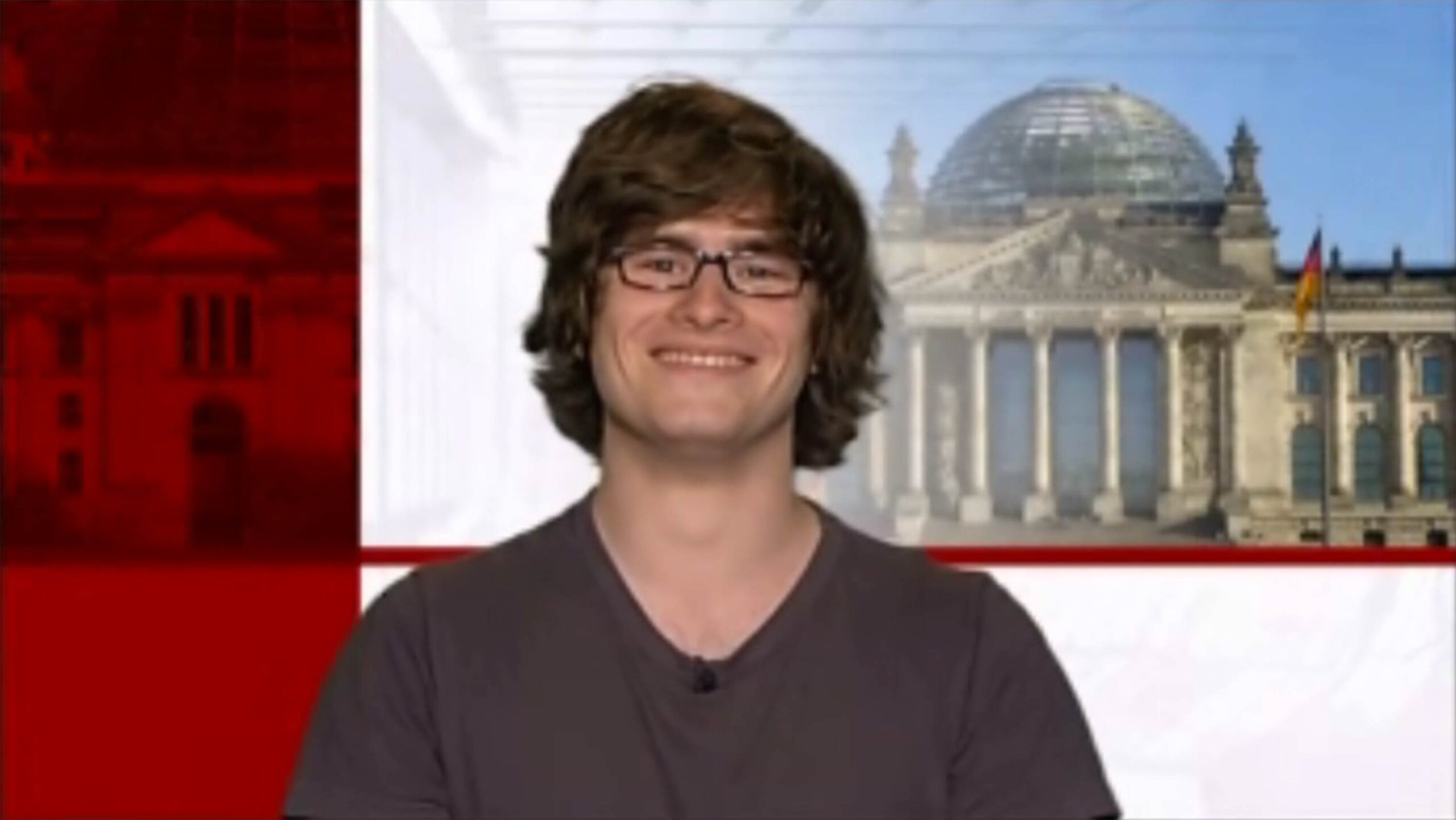 PraktikumTill Gombert Germany, 2018
Till zeigt uns was er bei seinem Praktikum bei der Tagesschau so alles getan hat: die Sportnachrichten anmoderiert! Nur einen Satz, da kann ja zum Glück nicht so viel schief gehen… War schon mal sehr schlecht, ja.
Man kann diesen Film nicht wirklich erklären, man kann ihn deuten, man kann ihn als Fan von Till Gombert (wie wir es von der Redaktion sind) genießen, man kann die Augen verdrehen. Und genau darin liegt die Stärke dieser kleinen Exkursion: Sie bringt uns alle zusammen in unserer Kraft hinzunehmen. Aber mal im Ernst: Es ist doch einfach wirklich witzig!More Info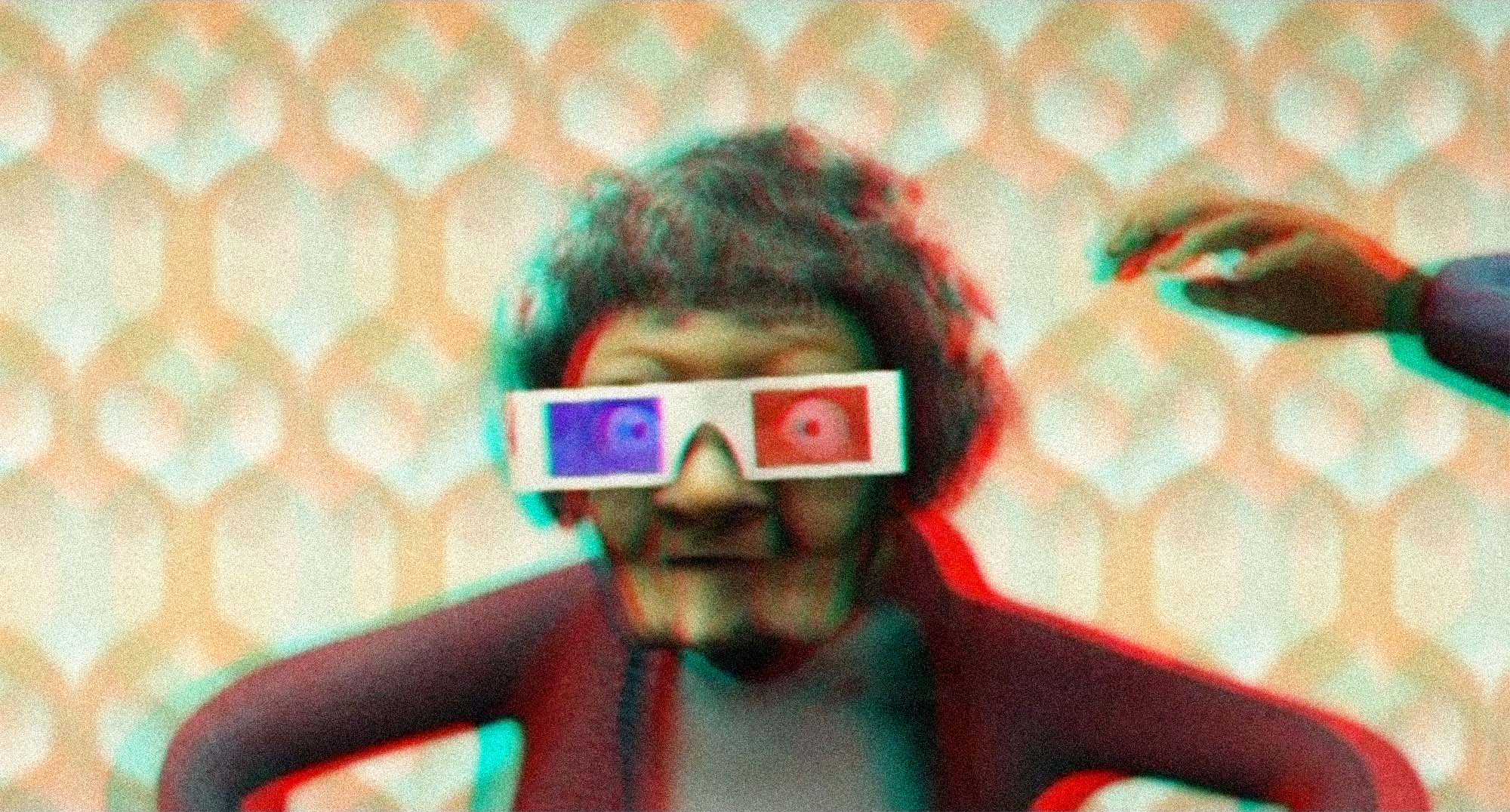 Oma in Stereo 3DPhilipp Engelhardt, Oliver Jelko, Adam Gawehl Germany, 2010
An elderly lady undergoes an eye test. But conventional visual aids no longer help; Grandma needs 3D glasses. And so do you, to see this masterpiece as it should be seen.
3D – a technology that generations of film students have worked on. This independent project – the name given to projects that are not part of a seminar – was created as a collaboration in the field of media art and takes a critical and in-depth look at the technology of stereoscopy and our society. Or is it just an independent project that was done for fun? If you don't have 3D glasses, take a look on the 3rd floor of the HfG, there should still be some lying around...More Info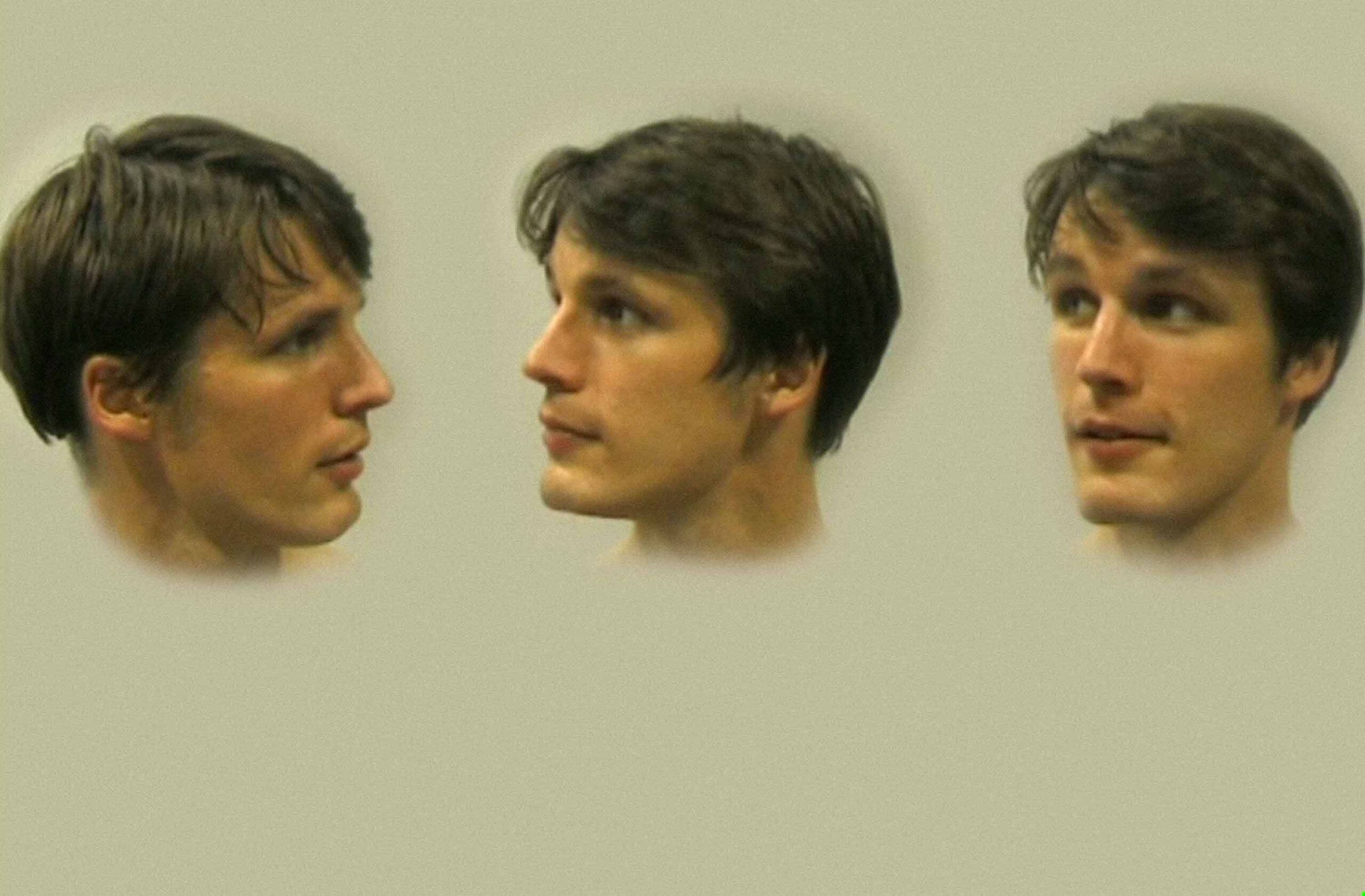 SelbstverwirklichungElmar Farchmin Germany, 2008
A person converses with themselves, with their self, three times. I, yes, I, no, myself, I, yes, self, no, I yes, no, I, self, yes, no, yes, we, yes, we, no, self, we... Pure meditation!
In Prof. Stephan Krass's poetry film seminar in 2008, Elmar Farchmin's funny adaptation of Peter Straßberger's poem was created along with many other films of the genre. The name Elmar Farchmin sounds very funny, and his film is no less so. Hats off, one of our favorites from the poetry catalog!More Info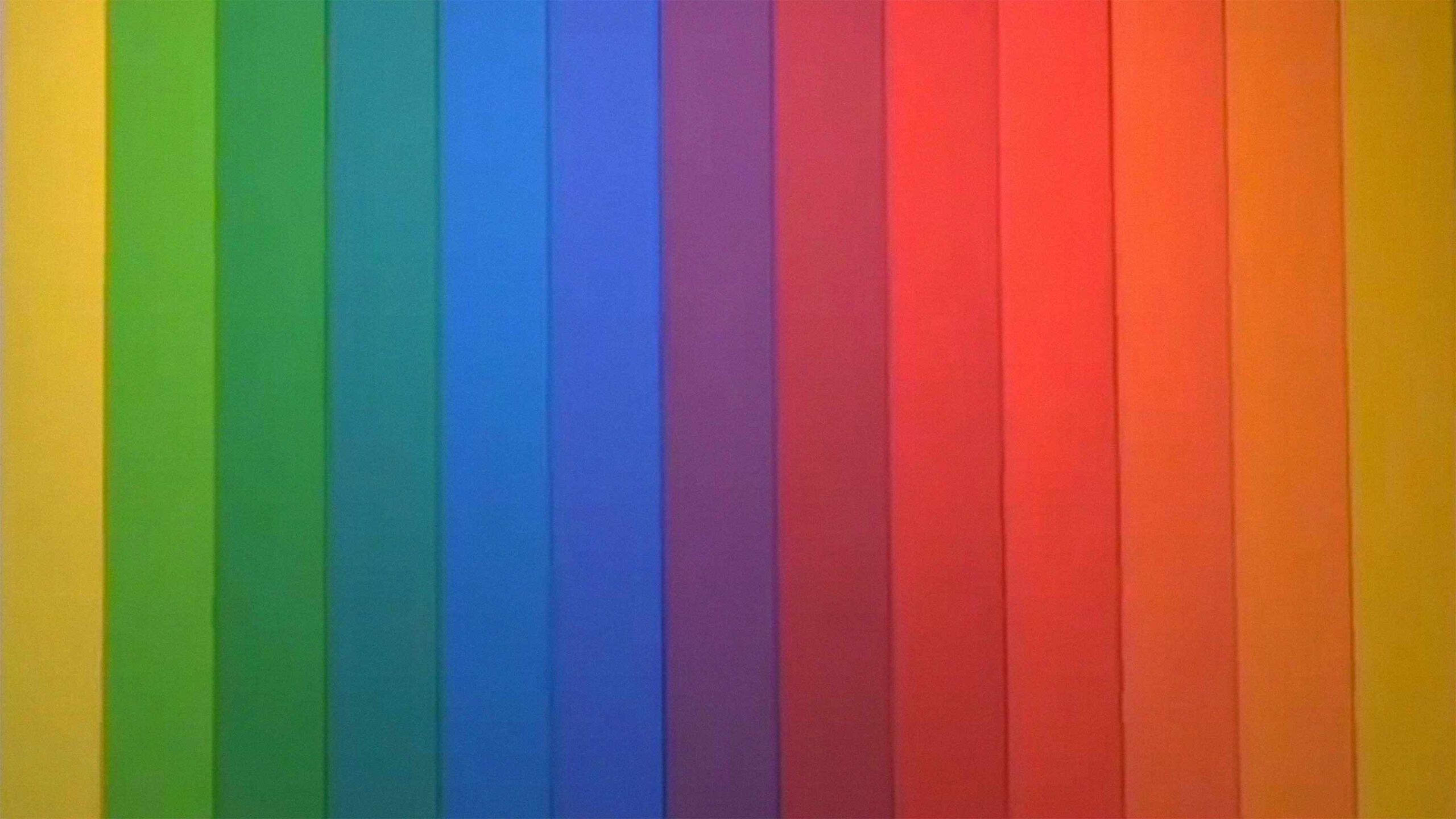 NEW MIXAGE – M-TheoryAnnekatrin Meyers Germany, 2006
“We are millions of particles,” sings the singer of newmixage: The video for the song picks up on this and deals with the millions of color particles of a big city.
Be careful, the editing here is fast. The clearly structured rock of the band newmixage (Berlin) gets another big boost of media art in this music video from 2006. The colors of the big city are pretty bright and the tempo is faster than the biggest city. Somehow, you feel like you're right there in the club at a crazy live concert. Someone might dance too fast – all the better – as long as the mood is right; and it definitely is here.More Info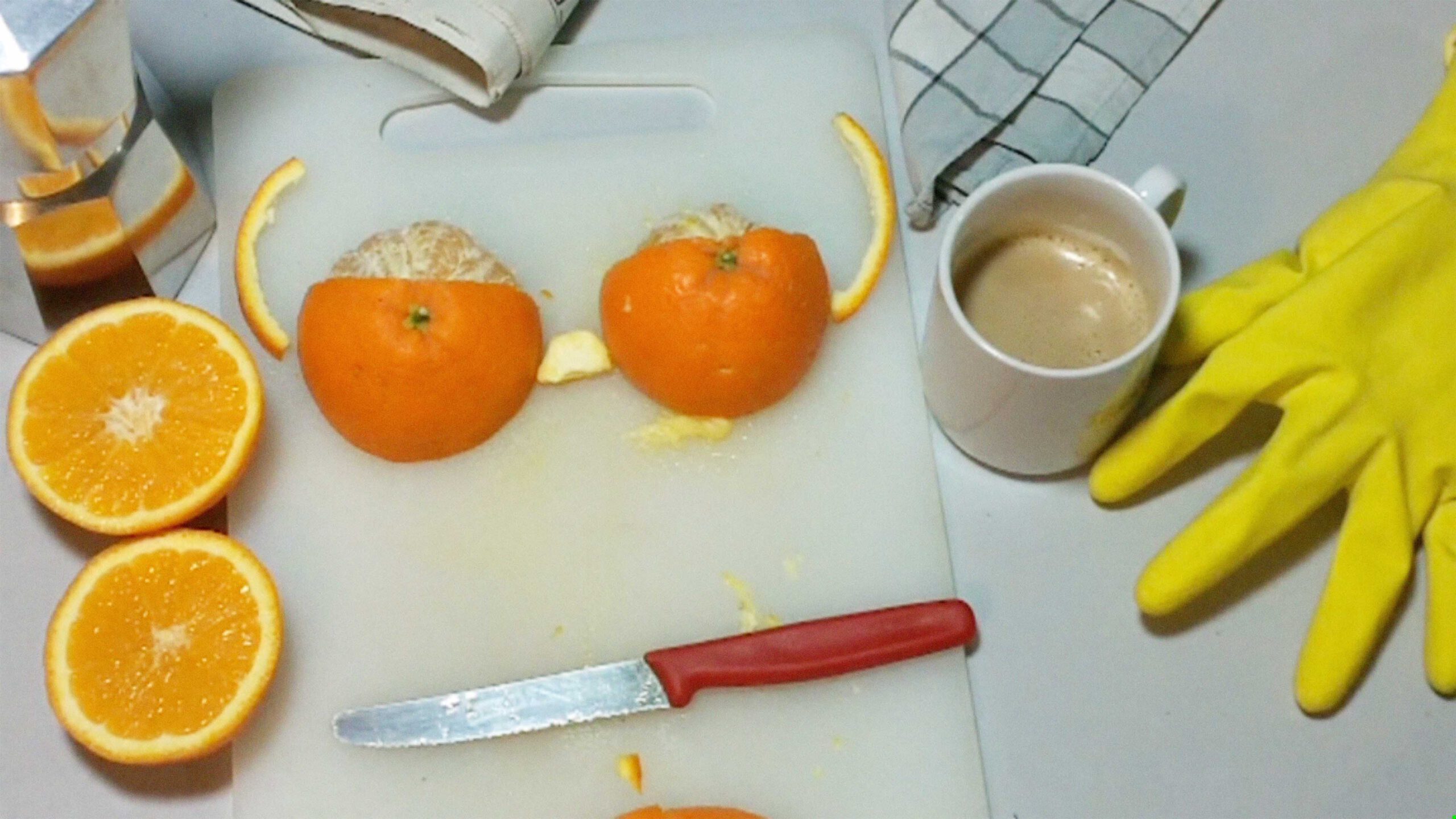 Fruit ViolenceJens Willms Germany, 2014
Breakfast. A nice cup of coffee and fresh fruit. But then a phone call interrupts the scene, and while Jens Willms isn't looking, the following scenes unfold. In short: the yellow dishwashing glove goes completely crazy—by the time Jens returns, it's too late...
The usual humorous quality from old master Jens Willms. We didn't expect too little, and we weren't disappointed. Short and sweet, the title says just the right amount about what happens in this short animated film. Nonsense, someone says? Well, no one can prove what things do when you're not looking. At least as long as it's not filmed. Or did it all never happen?More Info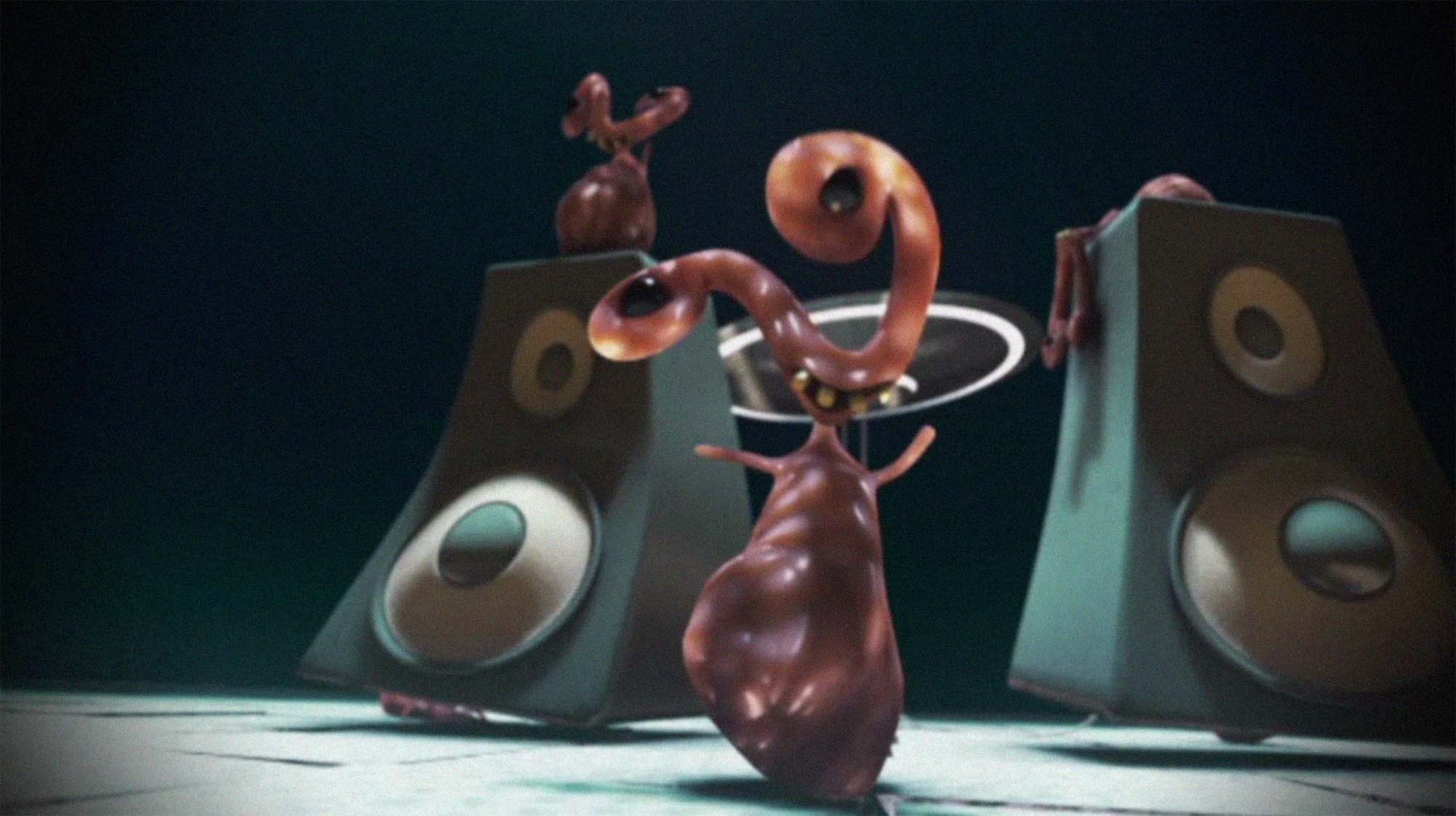 Qwqwi – KittikittiOliver Jelko Germany, 2012
Dance until you drop! Caution: the boxes are heavy.
Short and sweet, right on the money: the music video for Qwiqwi's Kittikitti! The band Qwqwi has just awakened from its five-year hibernation and is rocking Karlsruhe, a good reason to dig up this gem again.More Info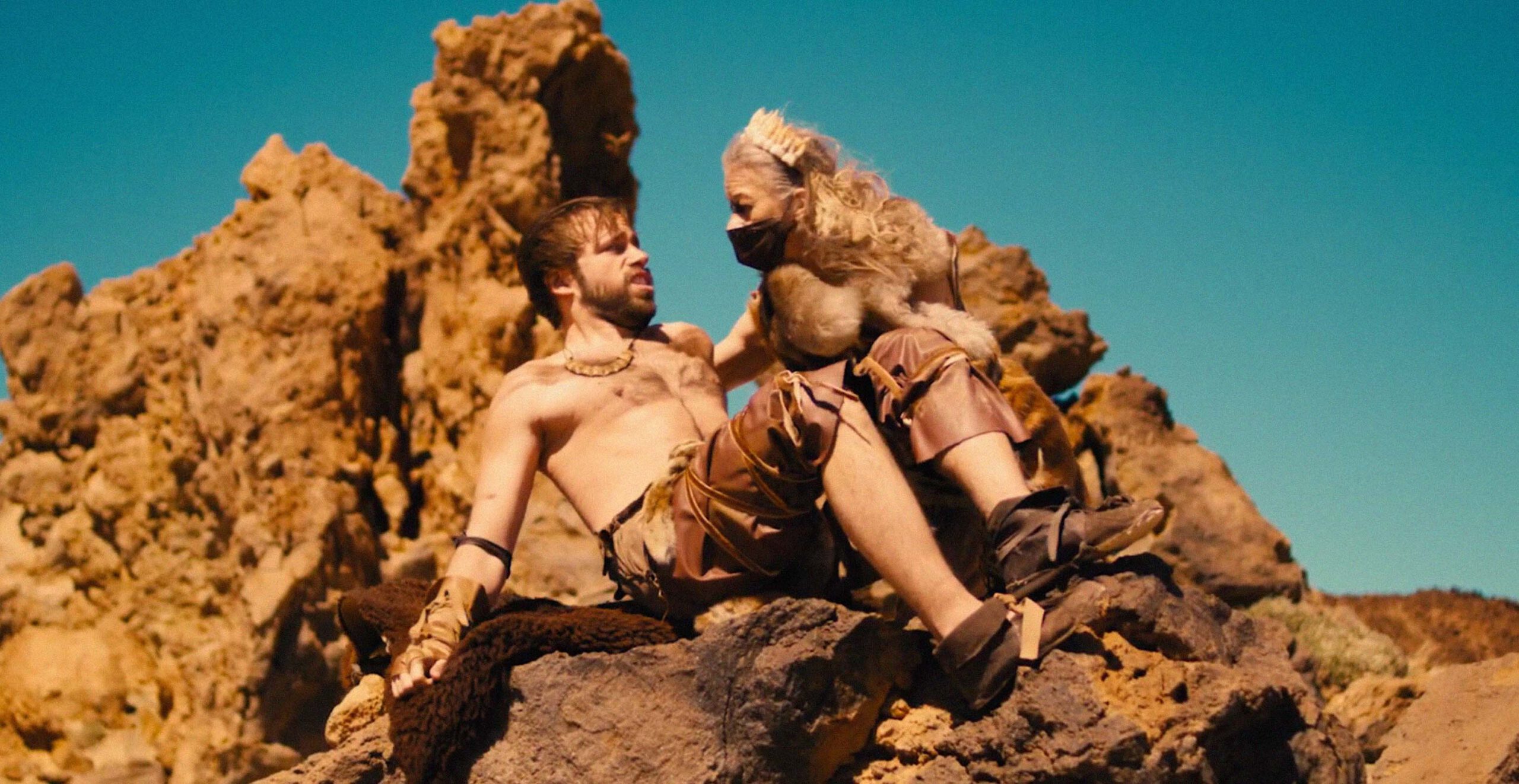 Steinzeit war gesternDominic Thiel Germany, 2018
The Stone Age is over. Modern technology enables pain-free and discreet teeth straightening. Even in Weinstadt near Stuttgart.
Orthodontists have a lot of money, or so they say. Dr. Konik from Stuttgart has enough to spend €18,000 on a commercial. Luckily, because that's how we got this masterpiece, which took nine months to make, at least according to what people say. Let's hope it helped and brought the doctor lots of new patients. Maybe there'll be another €18,000 left over, for a new website, for example? Or a logo? There are lots of possibilities...More Info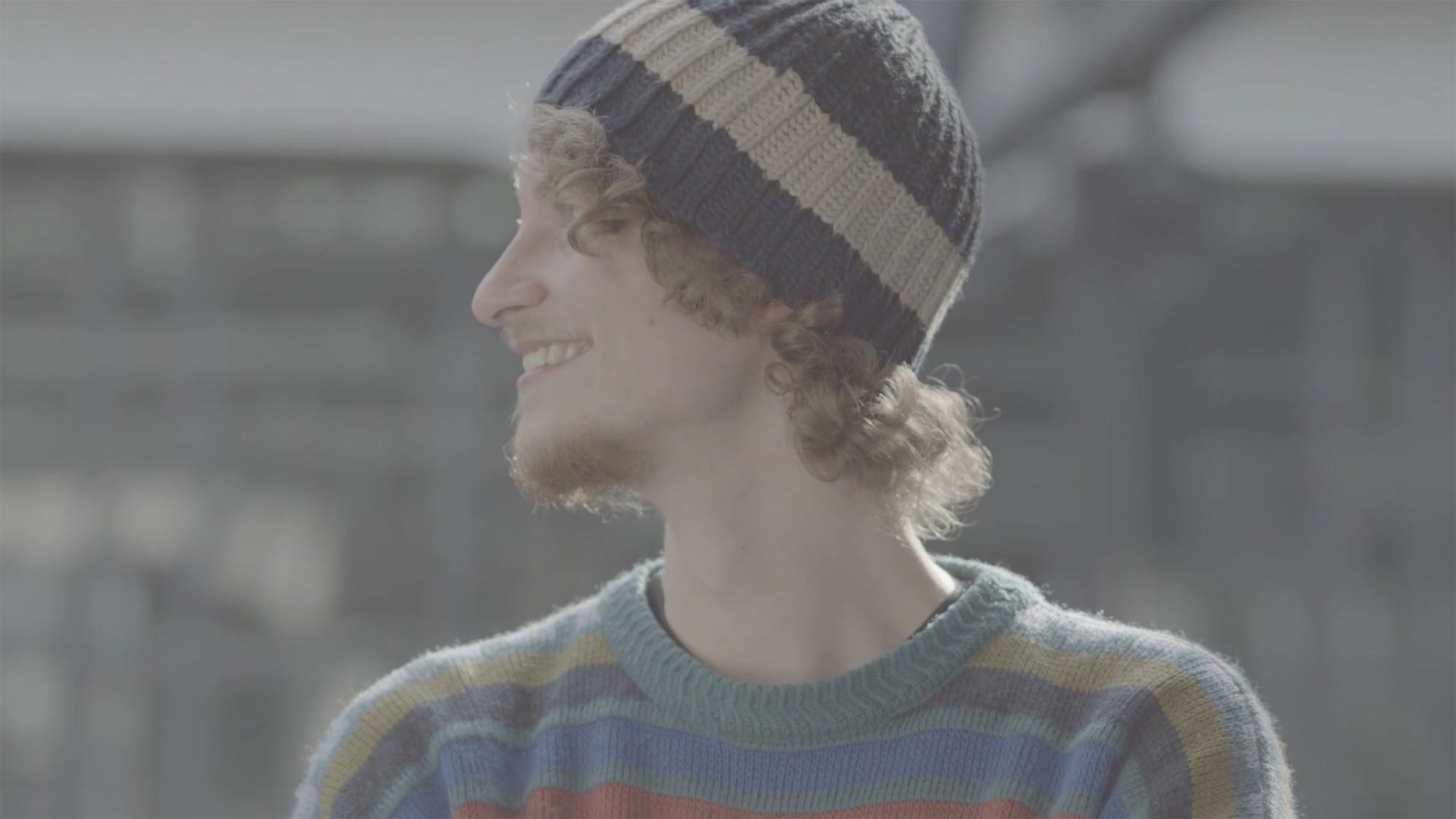 Till tut gutAlexander Thelen Germany, 2017
You can shoot great feature films with the Arri Alexa film camera, which costs around twelve thousand euros. But you can also just do this... Best regards back!
Greeted? Insulted? Awkward silence? Quickly escaped from the conversation? This film fits every situation in life – and in a record time of 19 seconds! That's the conclusion of the cinema editorial team, but we can't provide an explanation of what really went on in the master's mind. Once again, a treasure from the depths of the HfG film archive!More Info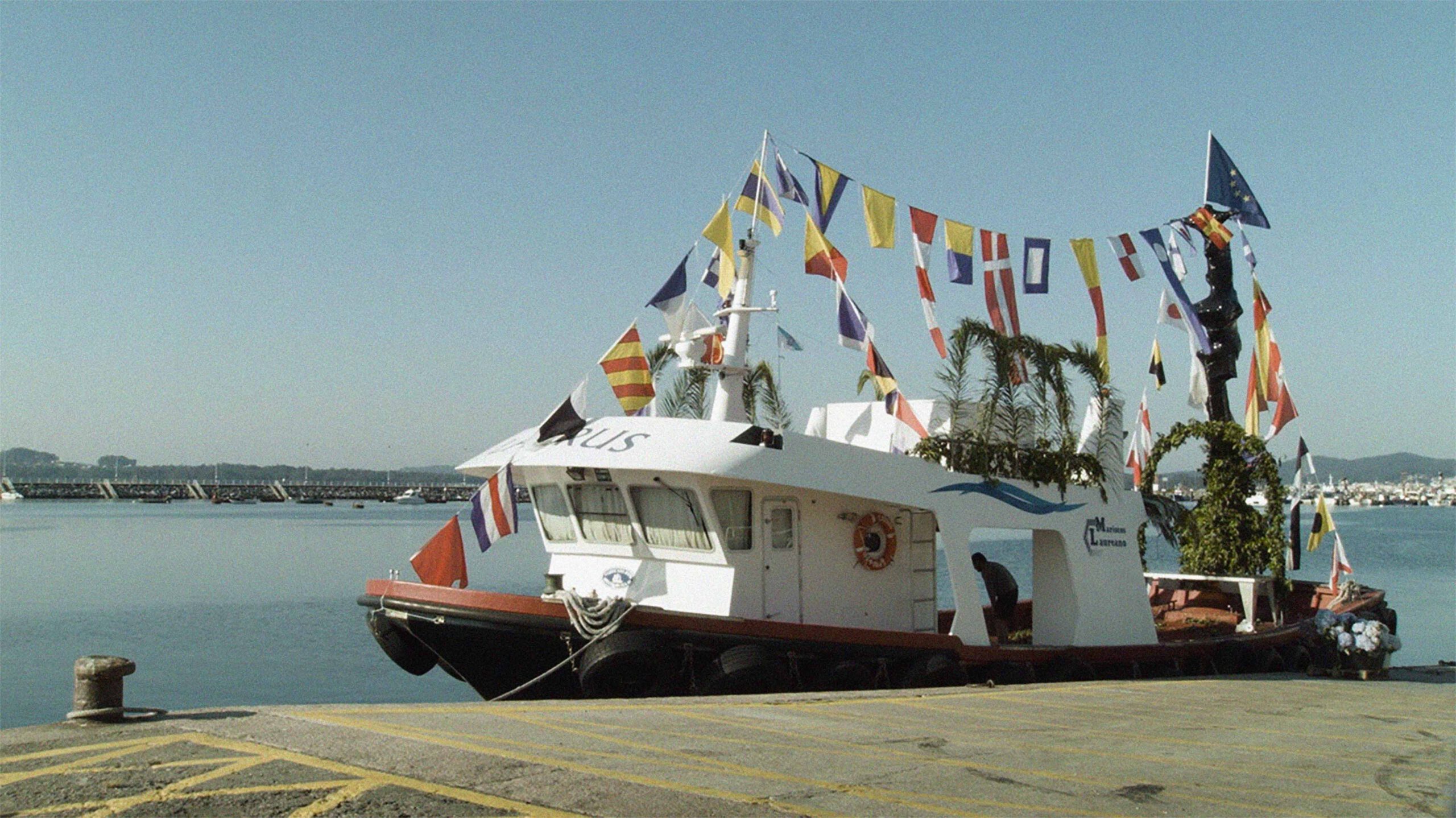 The Sea is an OblivionLaura Morcillo Germany, Spain, 2019
It is high tide, a boat disappears, the women cut hydrangeas to welcome the Holy Virgin. Meanwhile, Mariña collects seafood, Iria projects images, and her grandmother is lost in memories.
More Info Der Lauf der DingeIuri Maia Jost Germany, 2015
Letters in a box. Inside is a detailed description of the failure of a marriage. From the fragments of this correspondence, the film weaves an intimate and tender picture of a relationship that hovers between hope and doubt.
More Info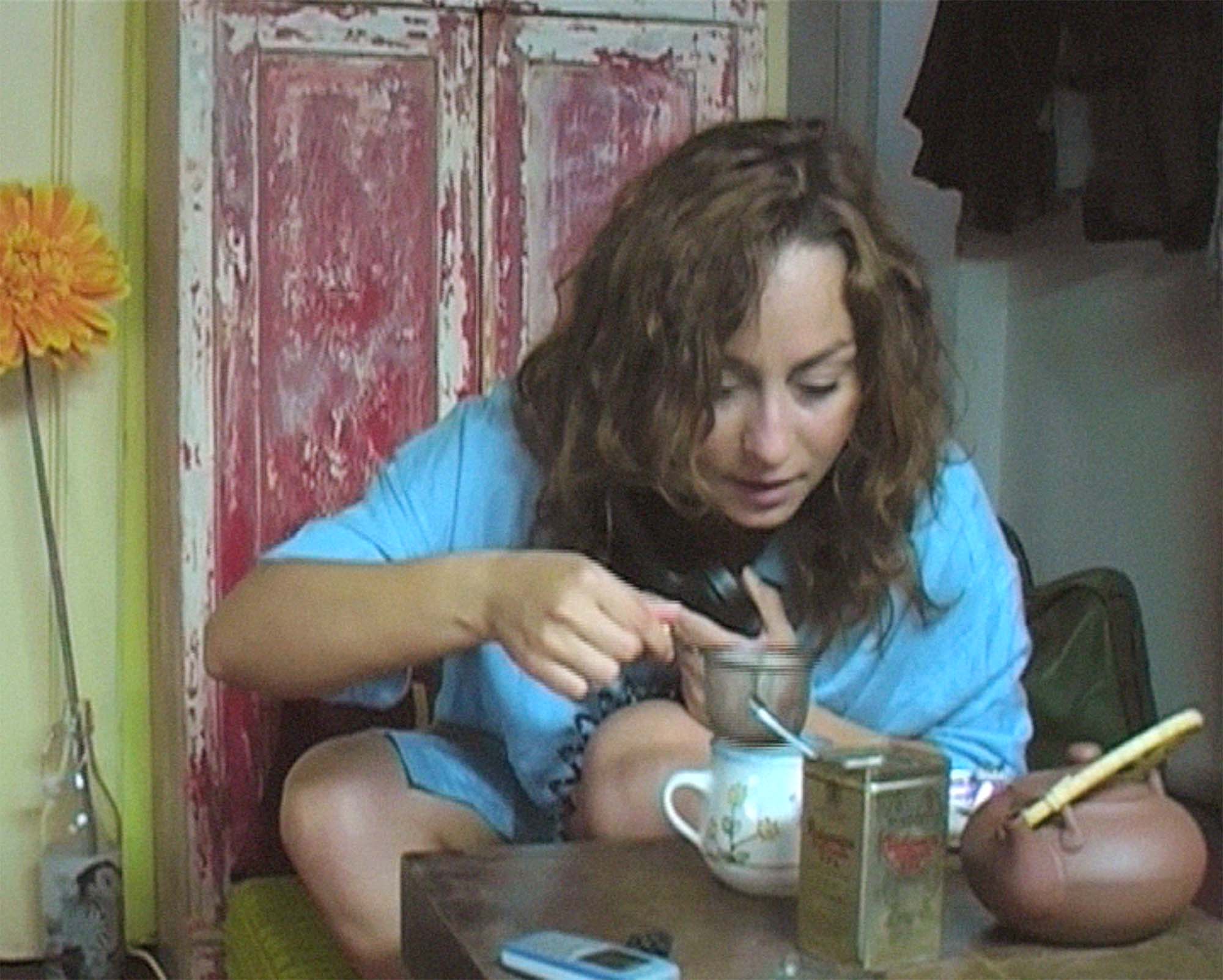 NinaRuxandra Ghitescu Germany, 2008
Nina is planning a weekend at the beach with friends. A seemingly simple affair, one would think. But it's more complicated than she thought.
More Info