

 Fourth Observation – Valentina's Small WorldDominic Thiel Germany, 2011
Valentina’s Little World holds all sorts of things: trophies, hats, spoons... And, of course, Valentina herself. The camera affectionately observes the elderly lady as she goes about her work in the second-hand shop, capturing a type of business rarely found today in cities crowded with chain stores. A course project by Dominic Thiel, who works as a colorist and cinematographer following his time at the HfG.
More Info √Till Gombert Germany, 2020
Till Gombert’s short film has little to do with mathematics. Through distorted and twisted 16mm images, he follows a couple and various dream figures. One can only speculate as to whose roots or what roots are at stake here. All clues and common threads are lost in the water, and what remains is a slight sense of confusion.
More Info Schattenseiten treffen sichBenjamin Breitkopf Germany, 2016
Benjamin Breitkopf’s Schattenseiten treffen sich is a feast for both the ears and the eyes: arthouse meets metal meets classical meets… what, exactly?
Created for Stephan Krass’s poetry film seminar, Schattenseiten treffen sich pays less attention to words and relies entirely on the power of igorrr’s music, as well as a medley of 16mm footage, multiple exposures and colours…
More Info Panik in der BrunnenstraßeMatthias Fritsch Germany, 2002
Anyone familiar with the hugely famous "Techno Viking" video (and with 40 million views, the odds are high) will be delighted by another masterpiece from the creator of that YouTube classic, Matthias Fritsch, a former student at the HfG. Things heat up once again here. On Brunnenstraße in an unnamed city, things get colorful, loud, and, of course, wild!
More Info So SeinPhilipp Rosenbeck Germany, 2006
The feeling of being lost is often associated with trying to be someone else. Not being satisfied in yourself and always imitating what others do.
Philip Rosenbeck's So Sein contains close up shots of various people who tell us the people they've always wished to be. The combination of a sombre background score and the people looking directly at the camera forces you to imagine people that you've always wanted to be.
More Info The world is everything that is the caseEva Teppe Germany, 2002
In the midst of public festivity they rise skyward: the “castells” of the Catalan castellers – human towers built from bodies and trust. Collapse is always a possibility. In Die Welt ist alles, was der Fall ist, Eva Teppe reworks TV documentary footage and radically slows the fall. The title quotes Ludwig Wittgenstein. Documentary action turns into an abstract pull of colour and proximity. A film about falling – and about what is actually the case within the image.
More Info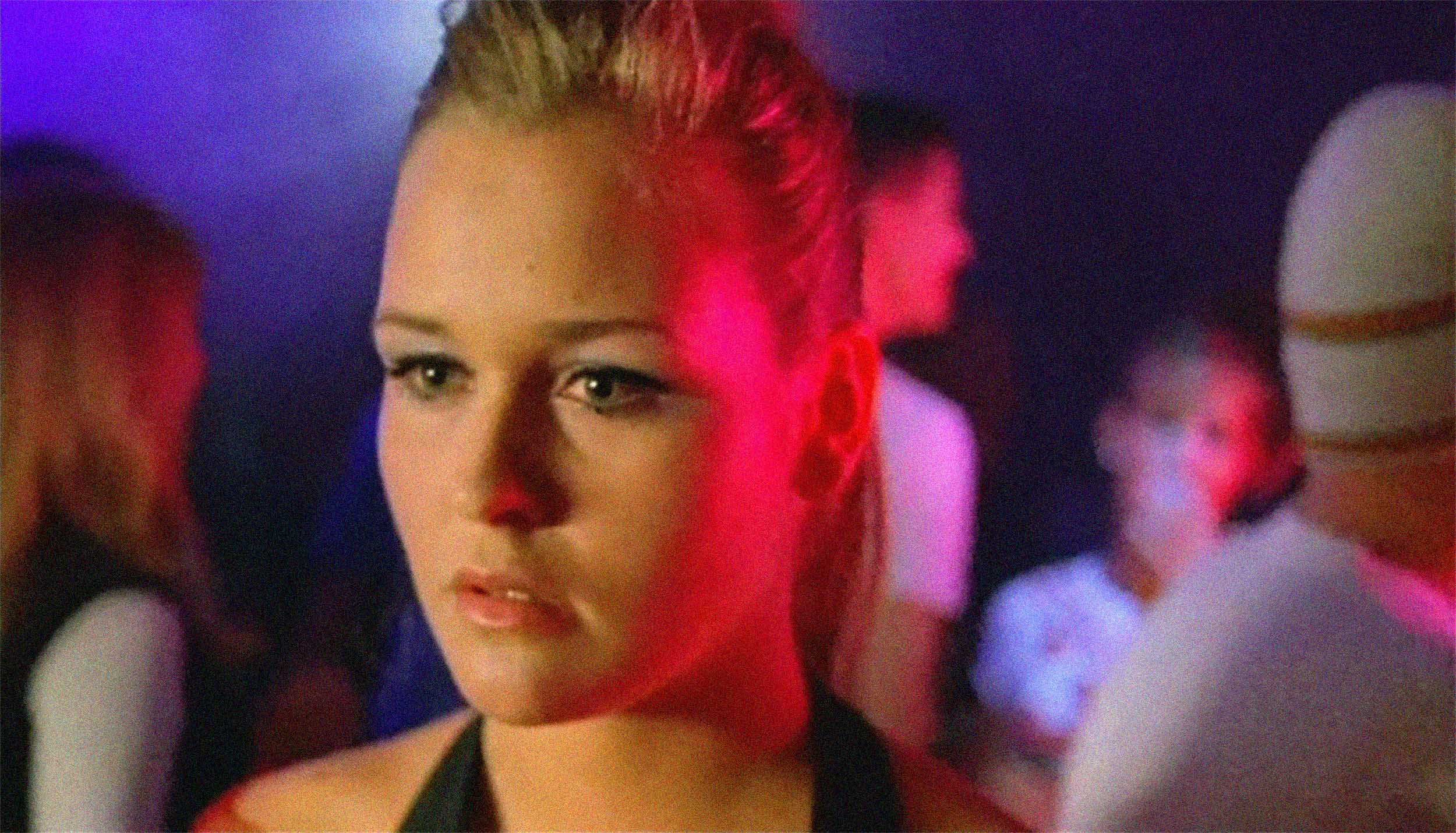 Zwei nach einsNils Menrad Germany, 2003
Every weekend, Lilja parties in clubs and discos until the early hours of the morning. She seems to feel right at home in the dazzling nightlife. One night, the impossible becomes reality. For a brief moment, Lilja encounters her mirror image from another world: Tom.
It's an old story, but it never gets old, and whoever experiences it has their eardrums bursting! Nils Menrad's short film about a night of intoxication in many ways in Karlsruhe's party heaven could also have been an expression of his secret desire to finally produce techno music videos for VIVA or MTV. If we were the bosses of VIVA or MTV, we would buy his clips!More Info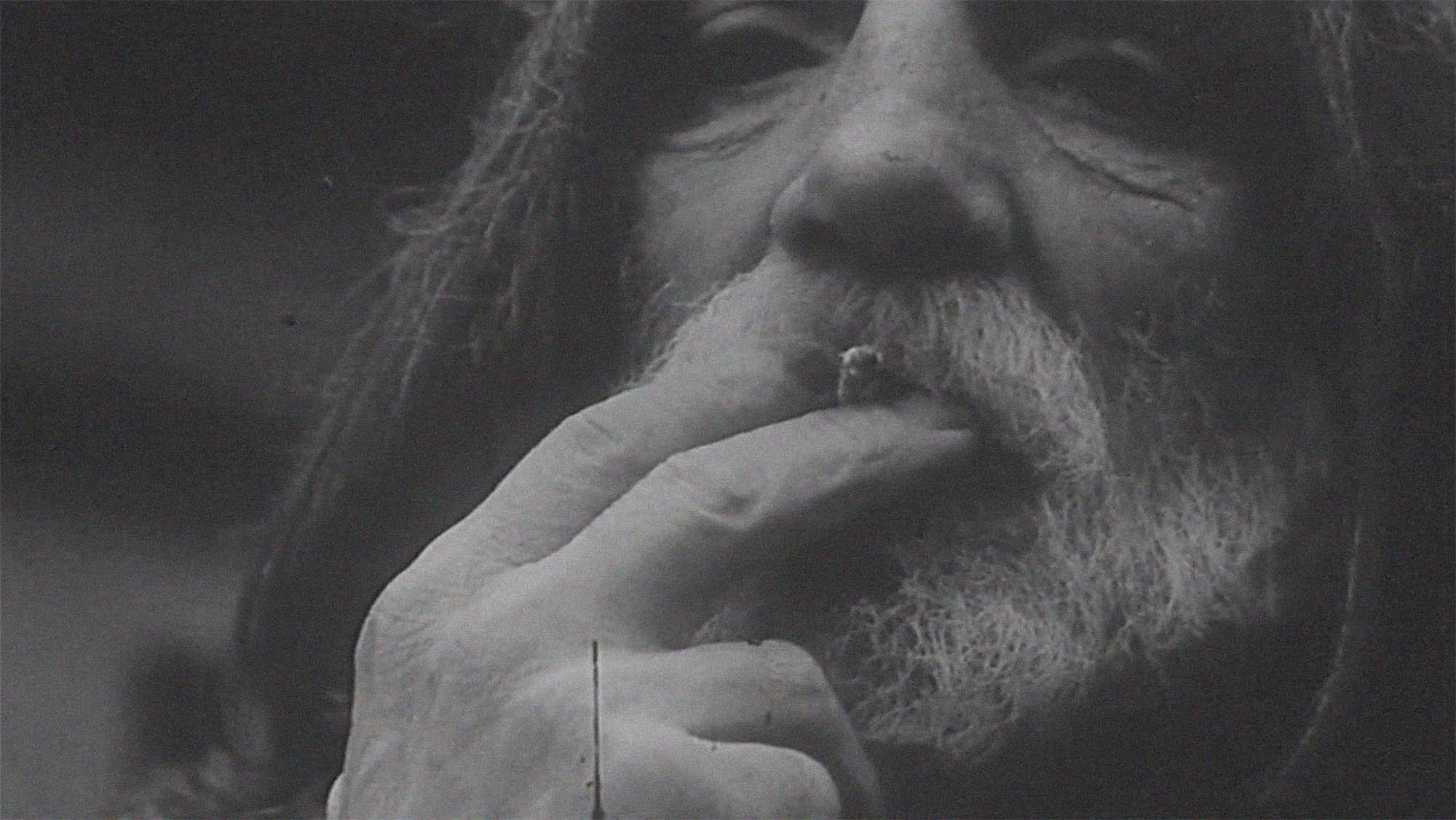 Die Hüter der WarenLaura Morcillo Germany, 2010
Laura Morcillo focuses her observations on Werderplatz, watching as goods change hands for money and the losers of the big system sit around the marketplace, under the suspicious gaze of the marketplace guards.
The film was made in 2010 as part of Thomas Heise's series of observations, which was designed to train the observational eye as an introduction to documentary film studies. It was shot over a longer period of time at the well-known Werderplatz in Karlsruhe's Südstadt district. In 2014, four years later, Laura Morcillo returns to Werderplatz in her short film Lettre de Werderplatz.More Info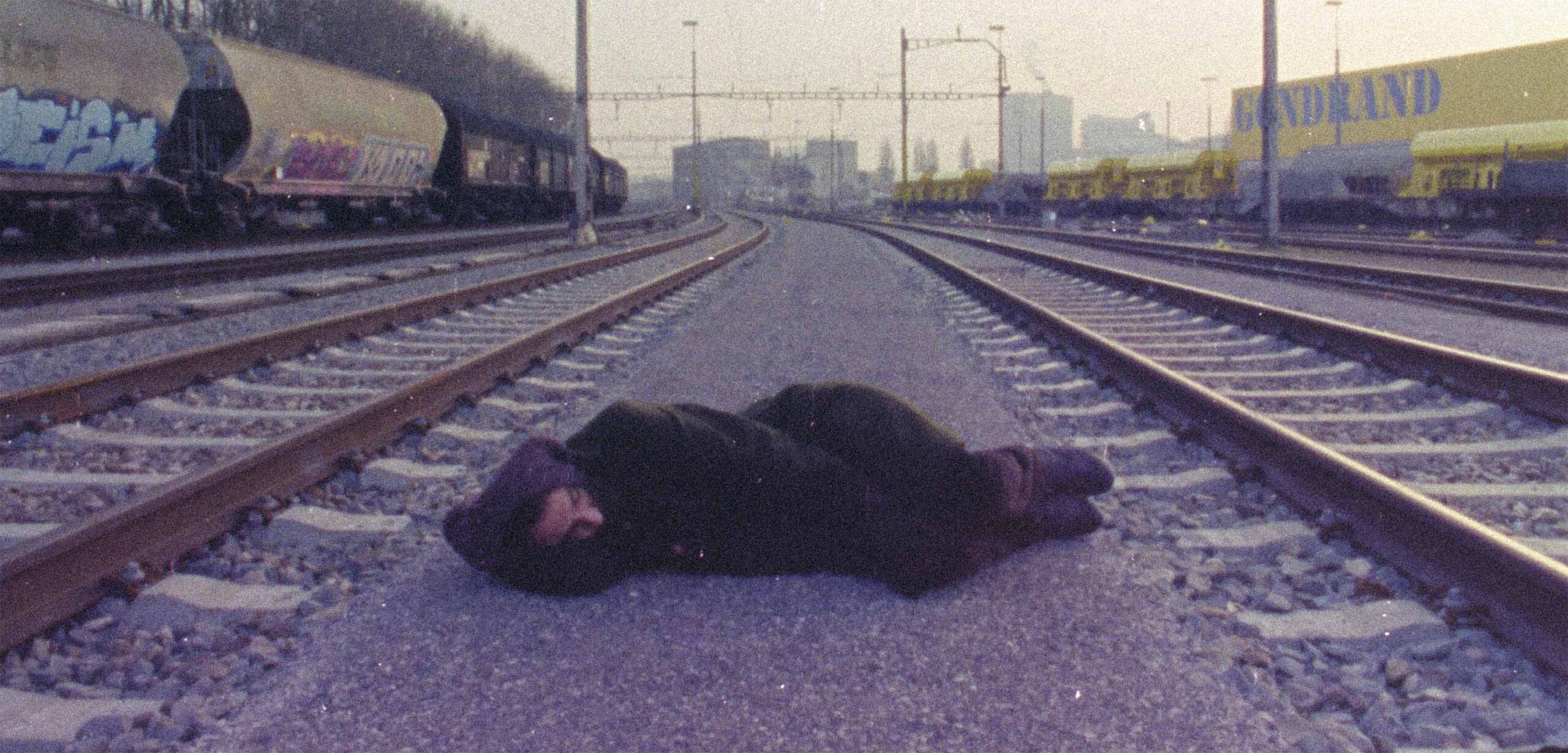 CozMustafa Emin Büyükcoşkun Germany, 2017
In the heart of Europe: an apartment without a door lock. It is the domain of Coz, who now lives in Switzerland after fleeing Turkey. In this portrait, he tells his story. Of being locked up, of being excluded, and of how the doors and locks in his mind have lost their meaning.
“Coz” is the nickname of Yusuf Bayraktar. The filmmaker and his protagonist met many years ago while Bayraktar was studying physics at Istanbul University. Coz was sentenced to 13 years in prison at the time for participating in a peaceful demonstration against Turkish higher education policy. Since 2009, he has been living in Basel on political asylum, where he keeps his head above water with odd jobs and social welfare and dreams a lot. With his film, Büyükcoşkun shows a fate that is not an individual one.More Info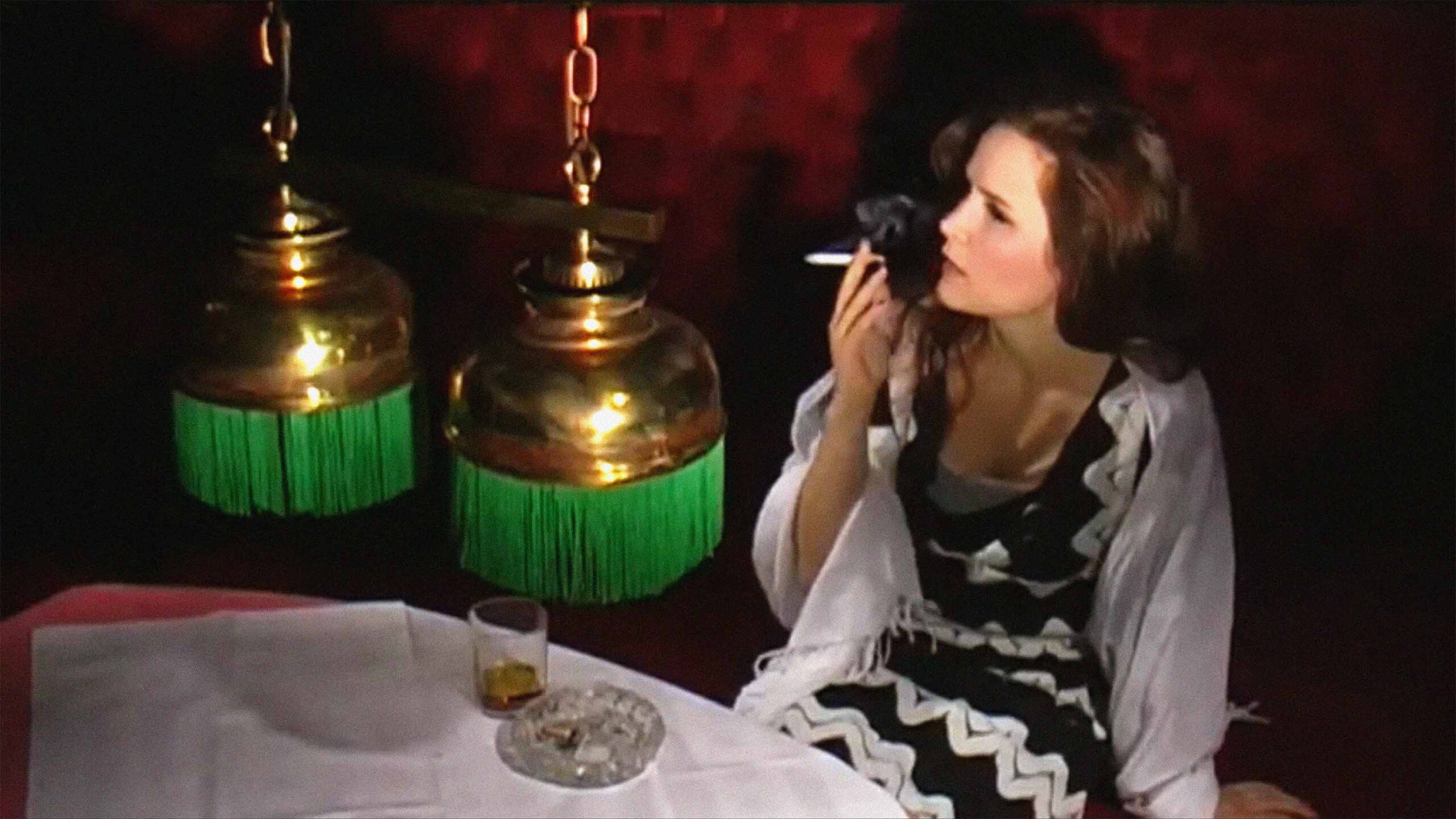 Der Killer mit der PolaroidSamuel Israel Germany, 2011
The killer with the Polaroid is on the loose in Karlsruhe. The atmosphere is tense, nerves are on edge. No one trusts anyone here; everyone is a suspect. Only one thing is certain: he will strike again.
Rarely seen in the film archive: action, murder, stolen film music. Samuel Israel captivates in his preliminary diploma with an entertaining mixture of Helge Schneider and Dario Argento. The film is an homage to the Italian giallo films of the 1970s and so fresh that you can almost smell the pub air: a one-man team, half a day of shooting, post-production in the evening, one day before the preliminary diploma deadline. That's roughly how Samuel described it to us. You can see all of this in the film, and we like it very much.More Info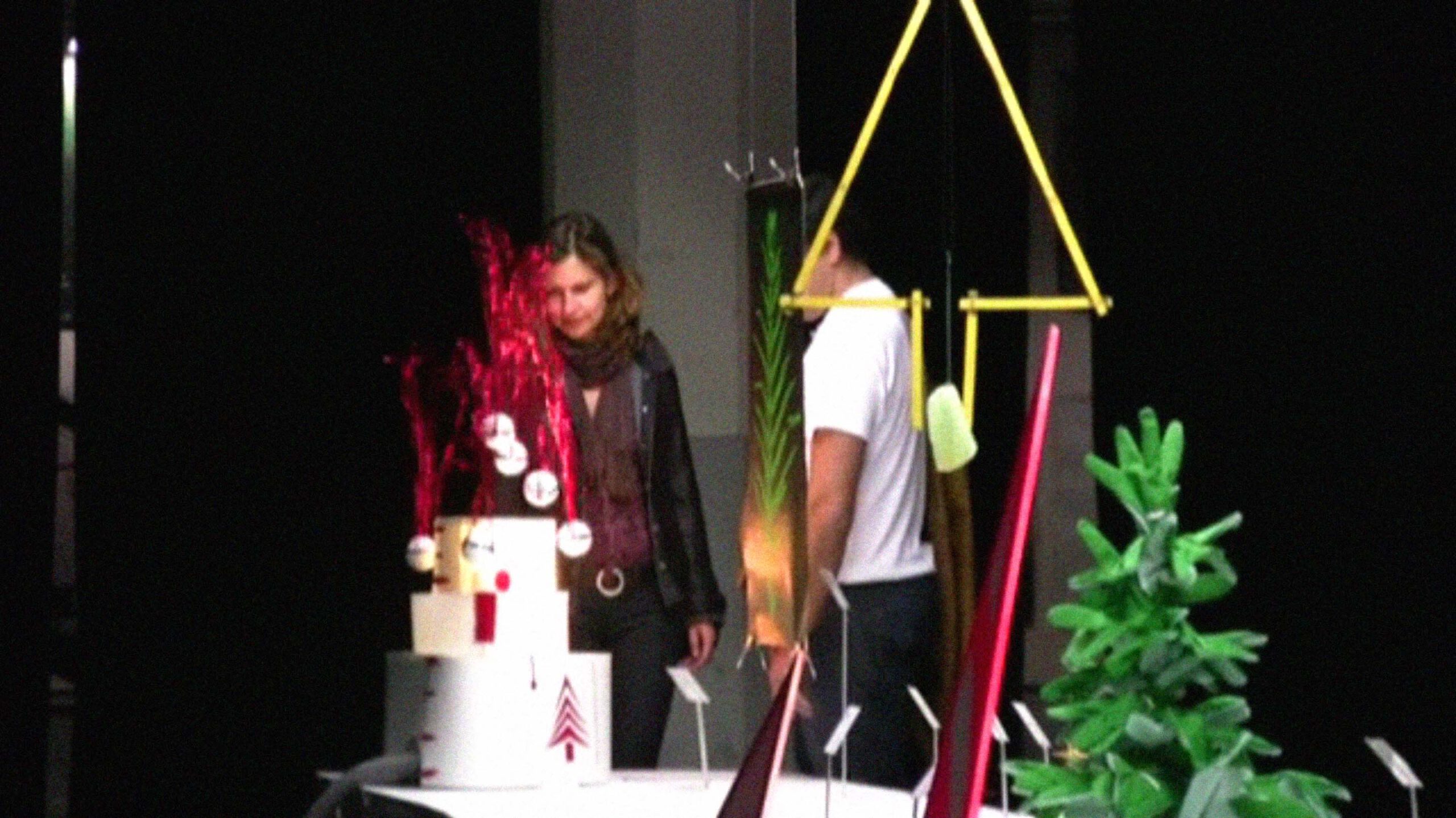 Oh TannenbaumHfG Karlsruhe Germany, 2008
Christmas in 2008: At the cult exhibition “Oh Tannenbaum,” there were Christmas trees galore, but no curatorial committee: Whatever was delivered was exhibited, as long as it was a Christmas tree. Oh, how joyful.
The cult Christmas exhibition has been around since 2004. Originally started as an internal joke, the student project developed over the years into a national art sensation. For one week (the week before Christmas), anyone could exhibit, whether professor, student, or staff member. In 2013, it was over for the Christmas tree. We think it's a pretty cool thing, and it might be worth thinking about again.More Info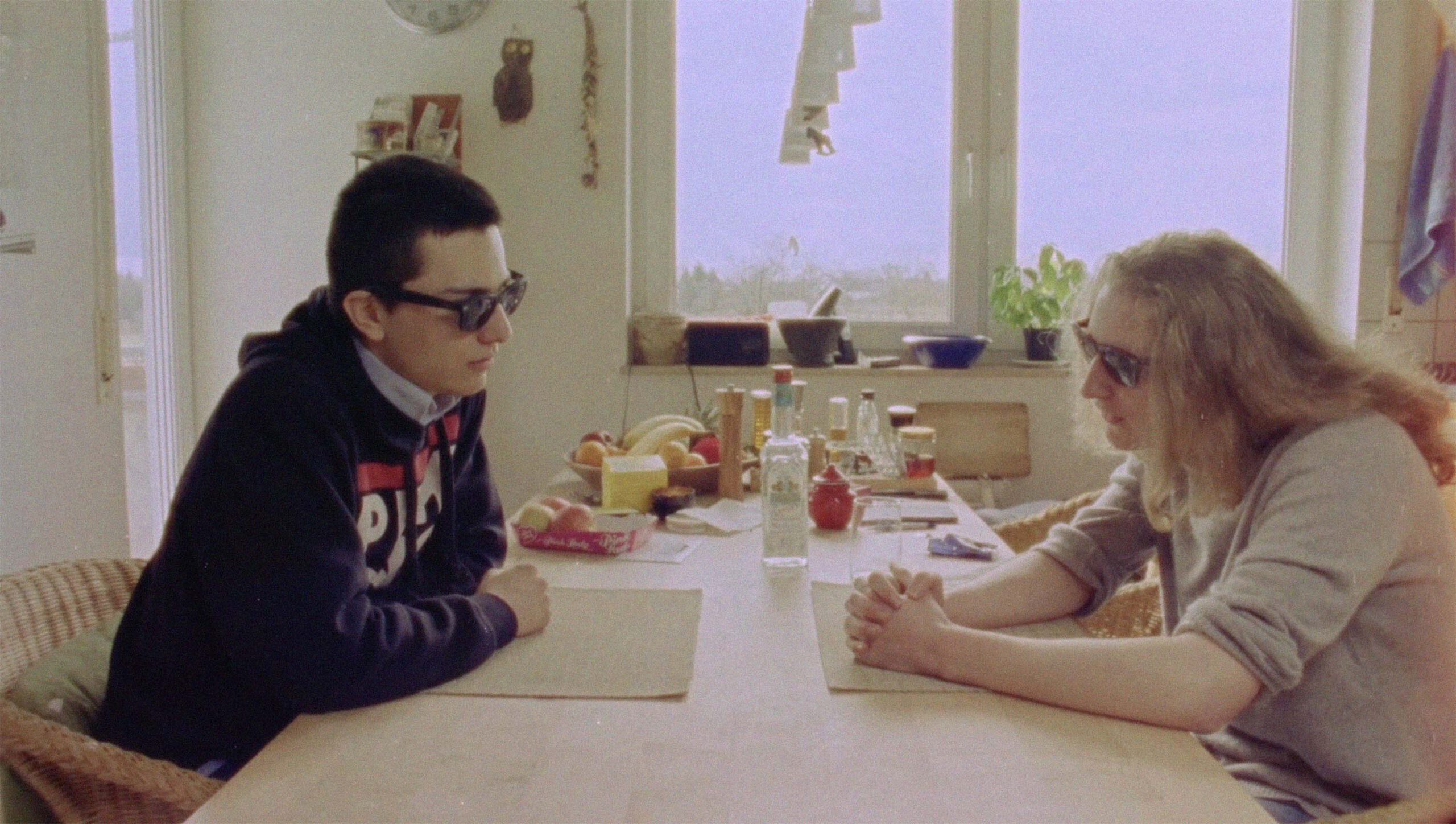 Der WalFinn Baygan Germany, 2017
Über einem Feld taucht ein Wal auf und spricht zu einem jungen Mann: Bald ist es aus mit der Menschheit und er solle die Botschaft bitte unters Volk bringen. Gut, dass es Youtube gibt! Wenn da nicht die Besserwisser mit besserer Auflösung und besserem Mikro wären und mal wieder alles besser wissen…
Bei diesem Film handelt es sich um Finns Erstlingswerk – er war 20 Jahre alt. Entstanden im 16mm-Seminar von Razvan Radulescu, analog und digital gefilmt, wild gemixt, krasse Grafiken, ein großartiger Alexander Thelen in Bestform und in einer Paraderolle als Youtube-Prediger. Dazu noch Morphing-Effekte, echte Hunde, falsche Wale, ein verpeilter Mitbewohner, Sonnenbrillen, knallharte Action, und ein wenig Gesellschaftskritik. Trash-Kino-Herz was willst du mehr? Daumen hoch!More Info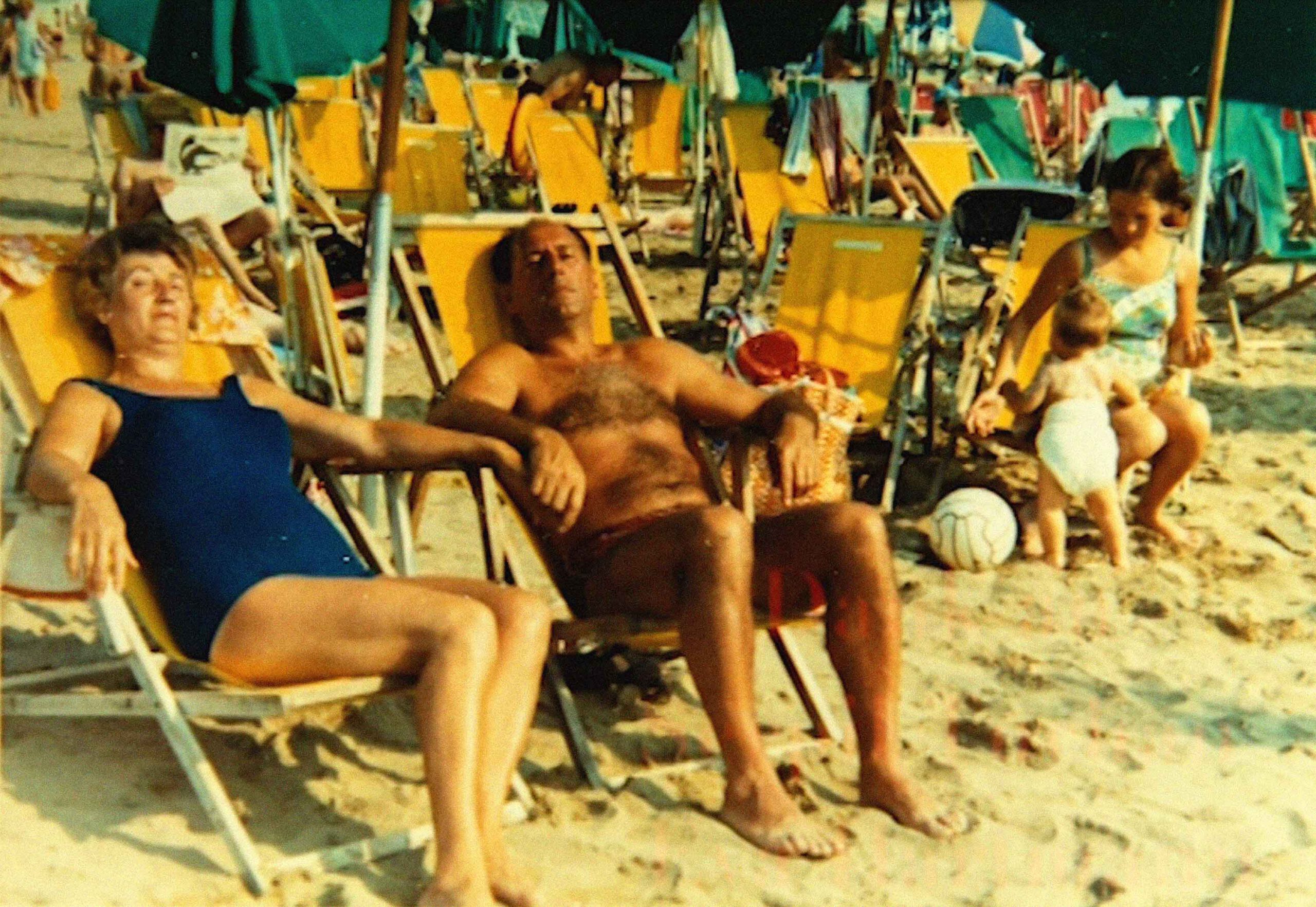 Ciao, amore!Rebekka Scheib Germany, 2020
A loving portrait and intimate diary entry. A gently tentative film about one's own memories, childhood, and the confrontation with death as an unforeseen factor in planning security.
A seminar on diary films by Serpil Turhan deals with an intimate subject and is the beginning of many very personal films by HfG students. Processing potential also unfolds in this example of HfG diary films from 2020 by Rebekka Scheib. We are drawn into a whirlpool of memories, childhood days, insights that life throws at us, or that we throw at ourselves – in remembering.More Info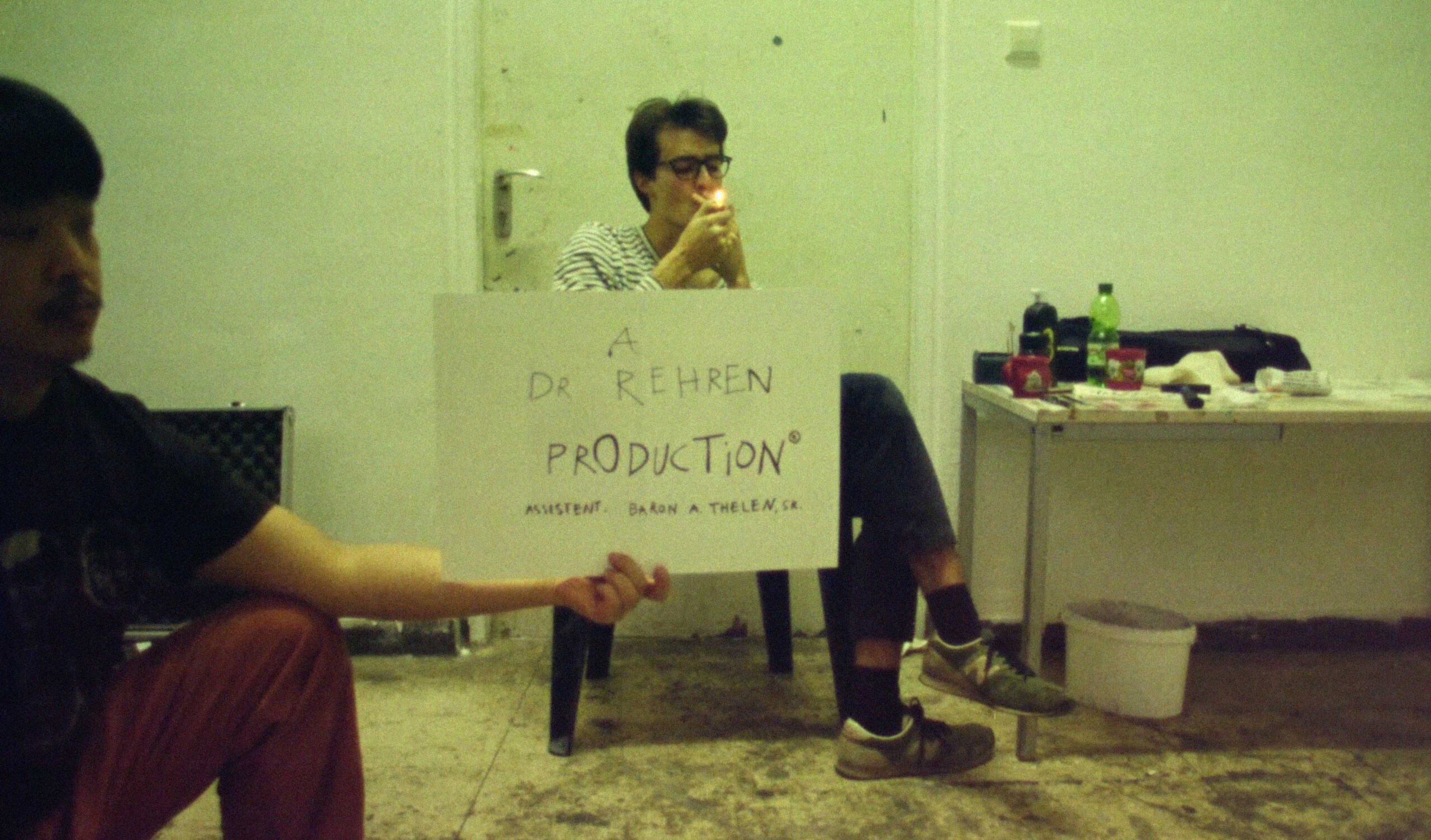 AkademieJonas Rehren Germany, 2017
For those wondering whether the HfG really is an art college, and how you can tell, here is a film that portrays a real art academy, with real dirt, paint, smoking, and everything else that goes with it!
Jonas Rehren, an “Aka” student, spent several years of his studies at the HfG's Design Exile studying film. He returned to the academy for a 16mm course with Răzvan Rădulescu to portray three fellow students at work. In quiet observations, we see how very different materials are processed. We would like to take this opportunity to thank Jonas for his contribution to better cooperation and understanding between the art academies in Karlsruhe.More Info Rainer von Vielen – Kein ZurückEva Hartmann Germany, 2010
Brilliant music video for Rainer von Vielen's song Kein Zurück.
A collection of picture puzzles that races past you at high speed – you'd actually have to keep pausing the video to appreciate all the puzzles.More Info Ono No KochamiMascha Dilger Germany, 2020
Mascha Dilger’s Ono No Kochami is a cinematic interpretation of the poem of the same name by Clara Sondermann. This contemporary poem explores relationships and family, as well as their transience, and serves as a tribute to the ancient Japanese poetess Ono No Komachi, who lived and worked as a court poet during the Heian period around 830 AD. The film was also created for Stephan Krass’s Poetry Film Seminar.
More Info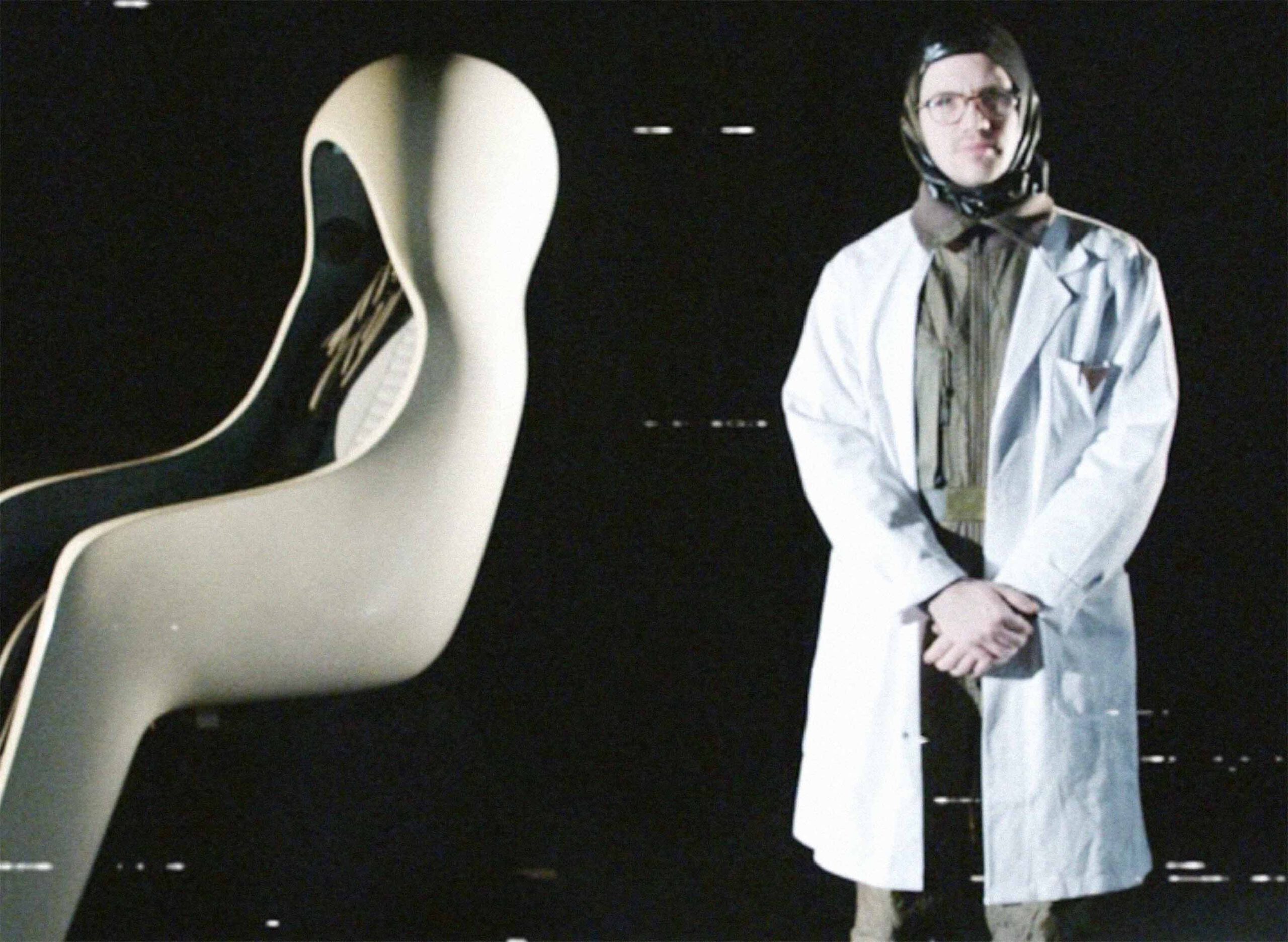 Fortschritt RevueMax Lange Germany, 2015
Max Lange as the likeable Dr. Braunhardt Werner, narrator of an outdated advertising film promoting a cryogenic sleep chamber. With it, you can finally live for 1,000 years and launch into outer space!
We appreciate all kinds of trash! Why? That's a question that can't be answered here. For egalitarian reasons alone, it's important to mention it here. Max Lange's film is part of his diploma project, the radio play “Die Sternensaat” (The Star Seed), in which different forms of utopian promises of salvation from the 19th and 20th centuries come together, with an emphasis on the motif of outer space. Here it is again in the form of a fictional advertising video and trailer.More Info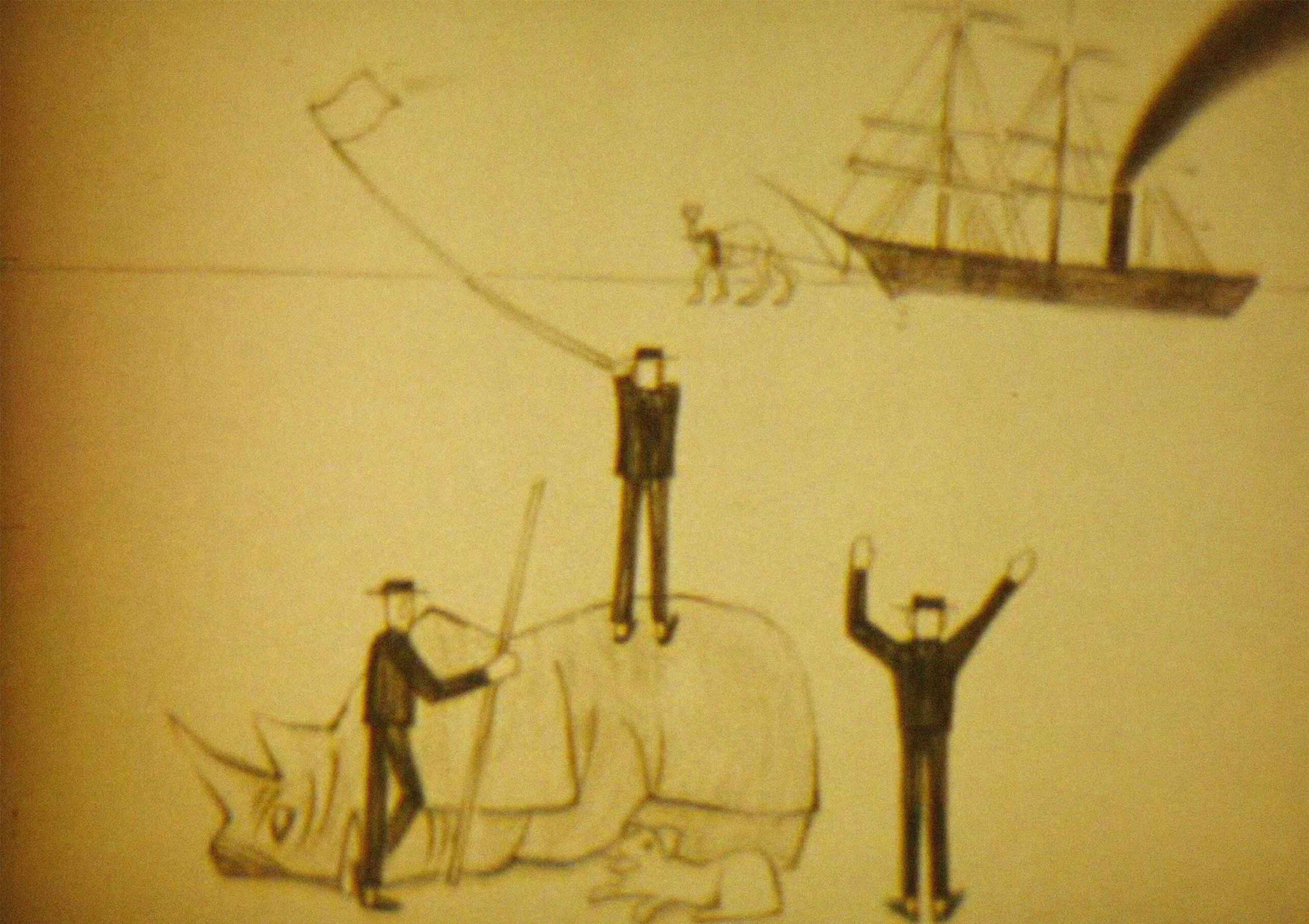 Antarktis IJules Wüest Germany, 1997
Antarctica. Three characters have killed a rhinoceros and are loading it onto their ship. The ship is too heavy and breaks through the ice. A Roman comes by. An airplane begins a nosedive. The tension is almost unbearable...
In just two minutes, Jules Wüest builds suspense that rivals any Hitchcock thriller. A classic old-school animated film—individual drawings come together on the animation table and are brought to life. What the film's message ultimately is remains unclear. And whether there will be a part II also remains unclear...More Info Schauen Sie auf das kleine VögelchenAnna Kalus Germany, 1998
A desperate young woman in a photo booth ruins one picture after another.
Look at the little bird by Anna Kalus deals with its own production process in an absurdly comical way, constantly reinventing itself. The montage is negated by the dismantling of its idea.More Info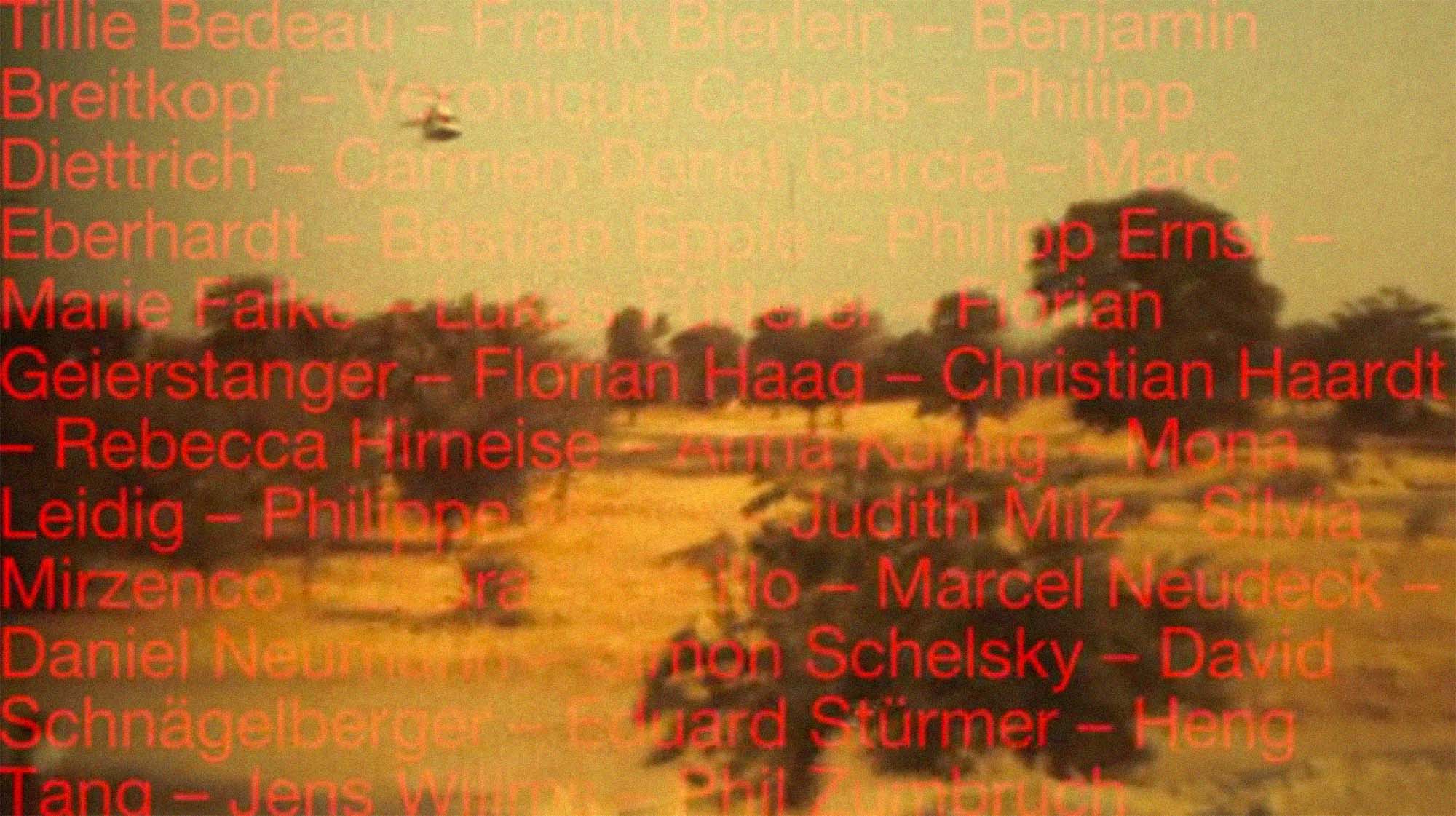 Filmforum TrailerFlorian Geierstanger Germany, 2013
A unique historical document – the trailer for the films of the 2013 annual exhibition of the Karlsruhe University of Arts and Design! A list of well-known and lesser-known names and a helicopter – that's all a good trailer needs!
The Filmforum met regularly in the Blue Salon to show each other their own films – film as a meeting place, as an opportunity for exchange and interaction. This trailer still bears witness to that, but it's not completely over yet. In March 2021, there was the Film.Forum Festival, where four films from the past were presented and discussed once again, and in 2022 there will be another edition to mark the university's 30th anniversary – so we can look forward to more!More Info