

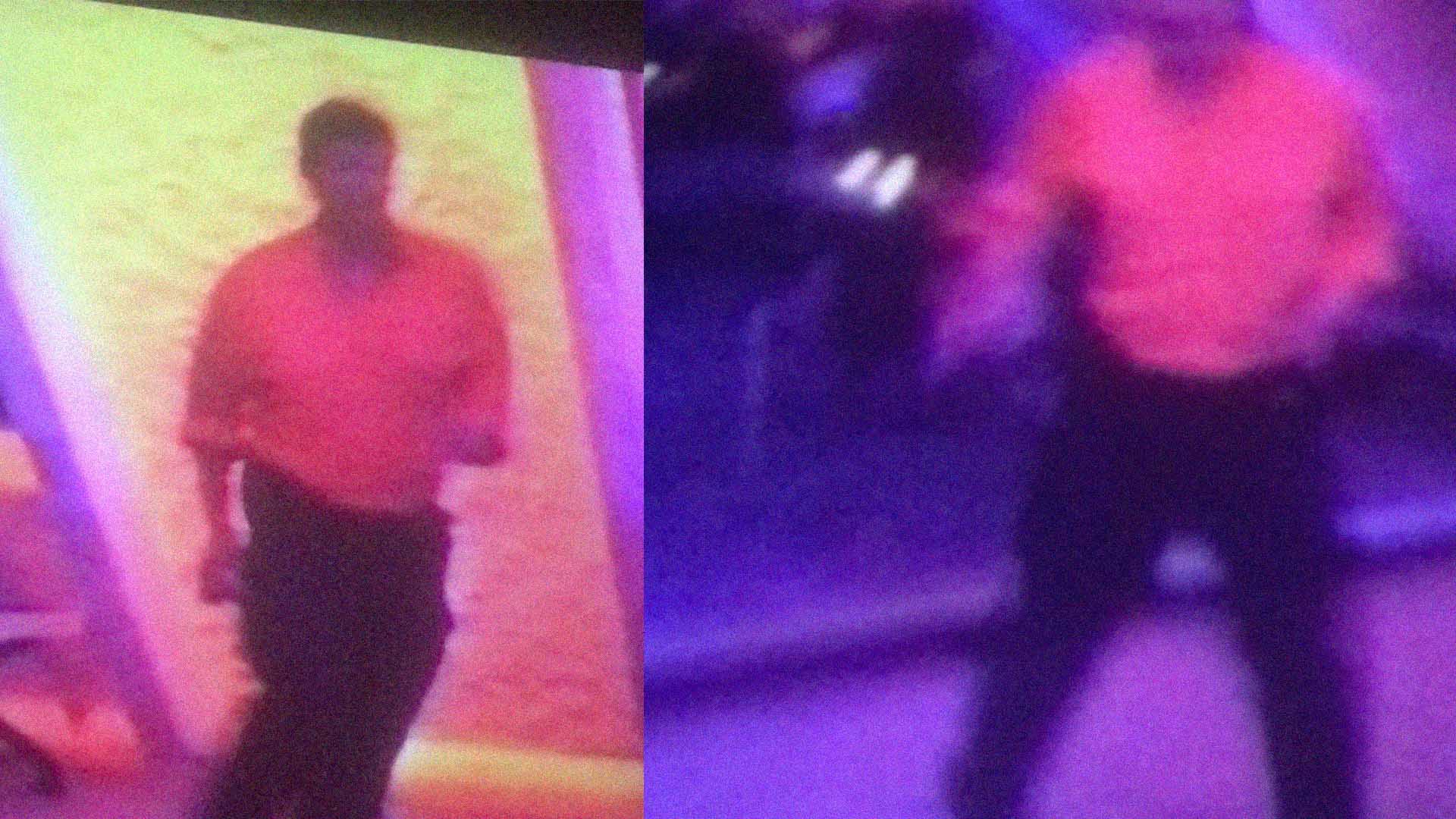
 HfG Party 1996Homevideo Germany, 1996
Legend has it that the most blatant HfG party of all time was accidentally captured for posterity in a 40-minute home video made by an unknown amateur filmmaker in 1996. However, the VHS was forgotten in a VHS player and when it went into the attic, all hope of ever finding it again was lost and gradually the video was forgotten. Almost 30 years later, media art student Pavel Pudnik stumbled across a box of discarded technology and found a VHS player inside. When he plugged it in, he couldn't believe his eyes, what he saw was the lost video, what he saw there was probably the most awesome party ever!
More Info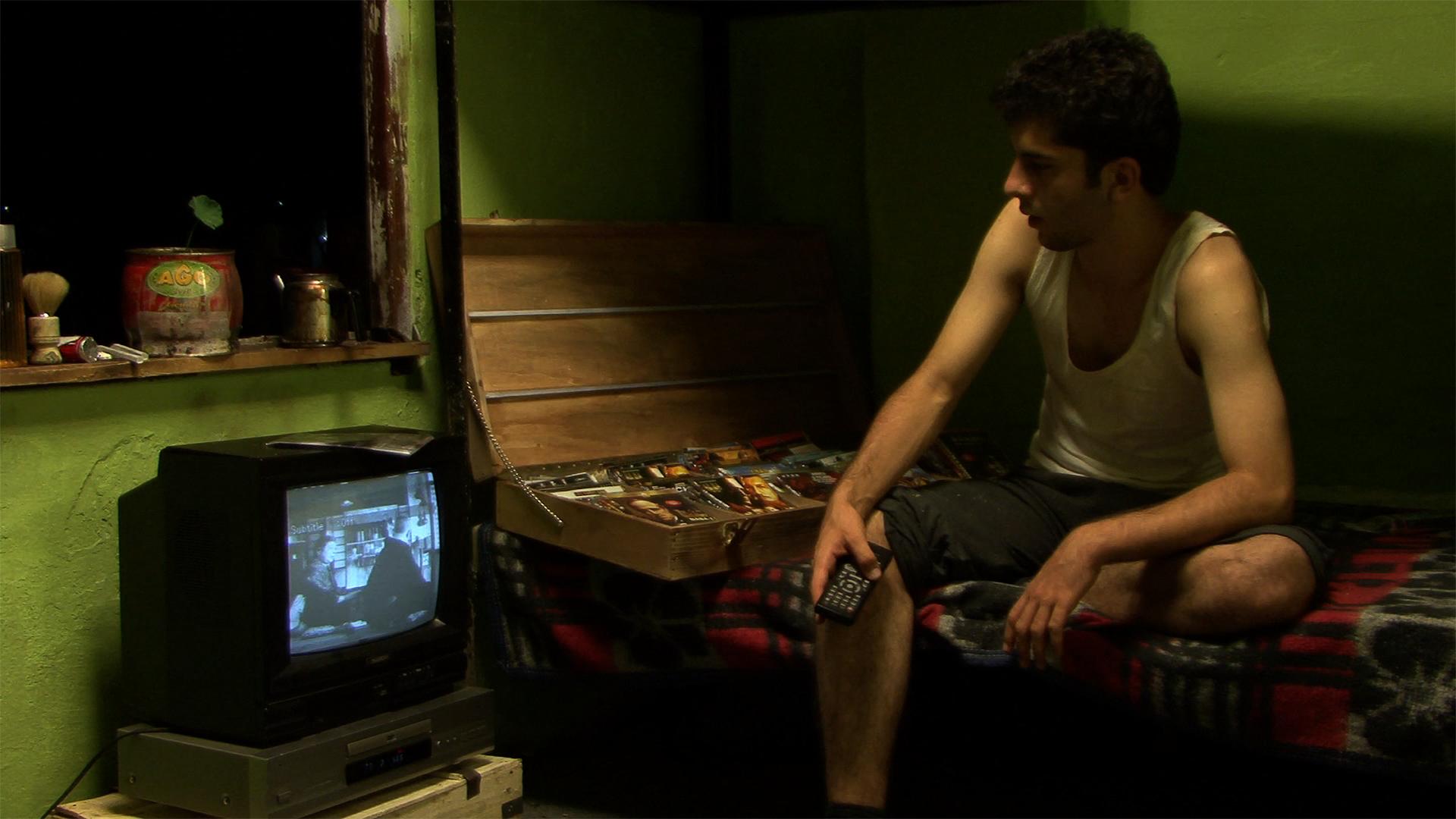 GeraniumMustafa Emin Büyükcoşkun Türkiye, 2008
Selling pirate film CD’s on his chart, the young man has a humble and unpretentious life, sharing a room with his construction worker mates. Till the day, when an unknown passenger from the ferry asked him about a Japanese film he had never heard of. Looking after the film but waiting for the passenger, he slowly finds himself in a passionate affection, which grows parallel to the geranium he germinated from a leaf. One day he sees the passenger in a cafe, but cannot approach to talk to her. His waiting transforms into another dimension, where the passenger doesn’t hold any more importance. The film not only depicts this passionate story of the young CD vendor, but also a ballad to a disappearing film media and its makers, a media archeology of contemporary film culture in Istanbul.
More Info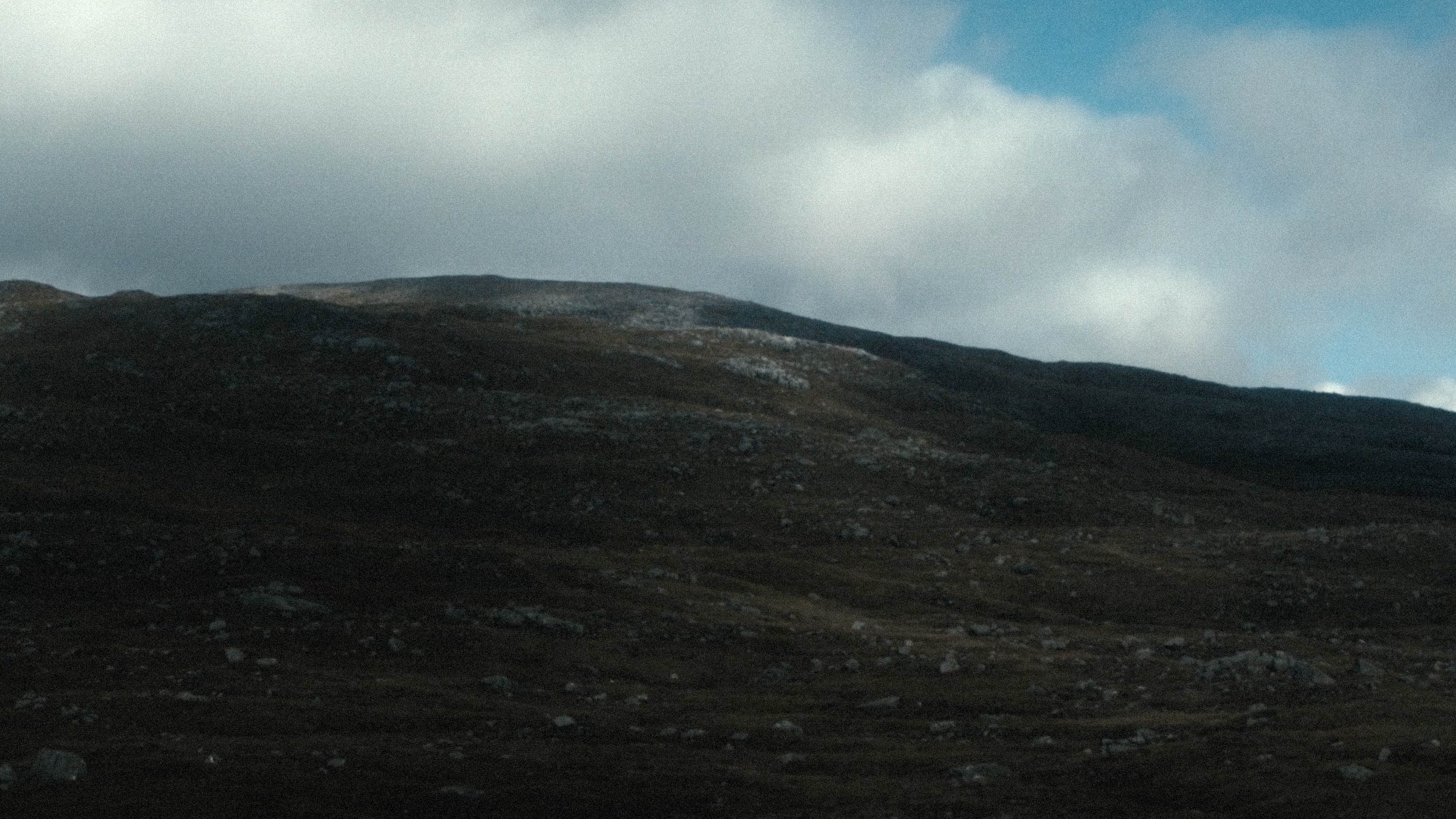 Northern MaladyGerrit Kuge Germany, 2018
Northern Malady is a memory of lost things: of a last vacation together, of the wind and the water, of dreams and silence.
In October 2017, Gerrit Kuge went to Scotland with a team of three to find images for a film idea that began there a few years ago. The team found what they were looking for on a small Scottish island, far out on the Atlantic Ocean. The raw landscape of the Scottish Hebrides provided images that propelled Kuge's story of tumbling memories in the film.More Info- HfG Party 1996Homevideo Germany, 1996
Legend has it that the most blatant HfG party of all time was accidentally captured for posterity in a 40-minute home video made by an unknown amateur filmmaker in 1996. However, the VHS was forgotten in a VHS player and when it went into the attic, all hope of ever finding it again was lost and gradually the video was forgotten. Almost 30 years later, media art student Pavel Pudnik stumbled across a box of discarded technology and found a VHS player inside. When he plugged it in, he couldn't believe his eyes, what he saw was the lost video, what he saw there was probably the most awesome party ever!
More Info 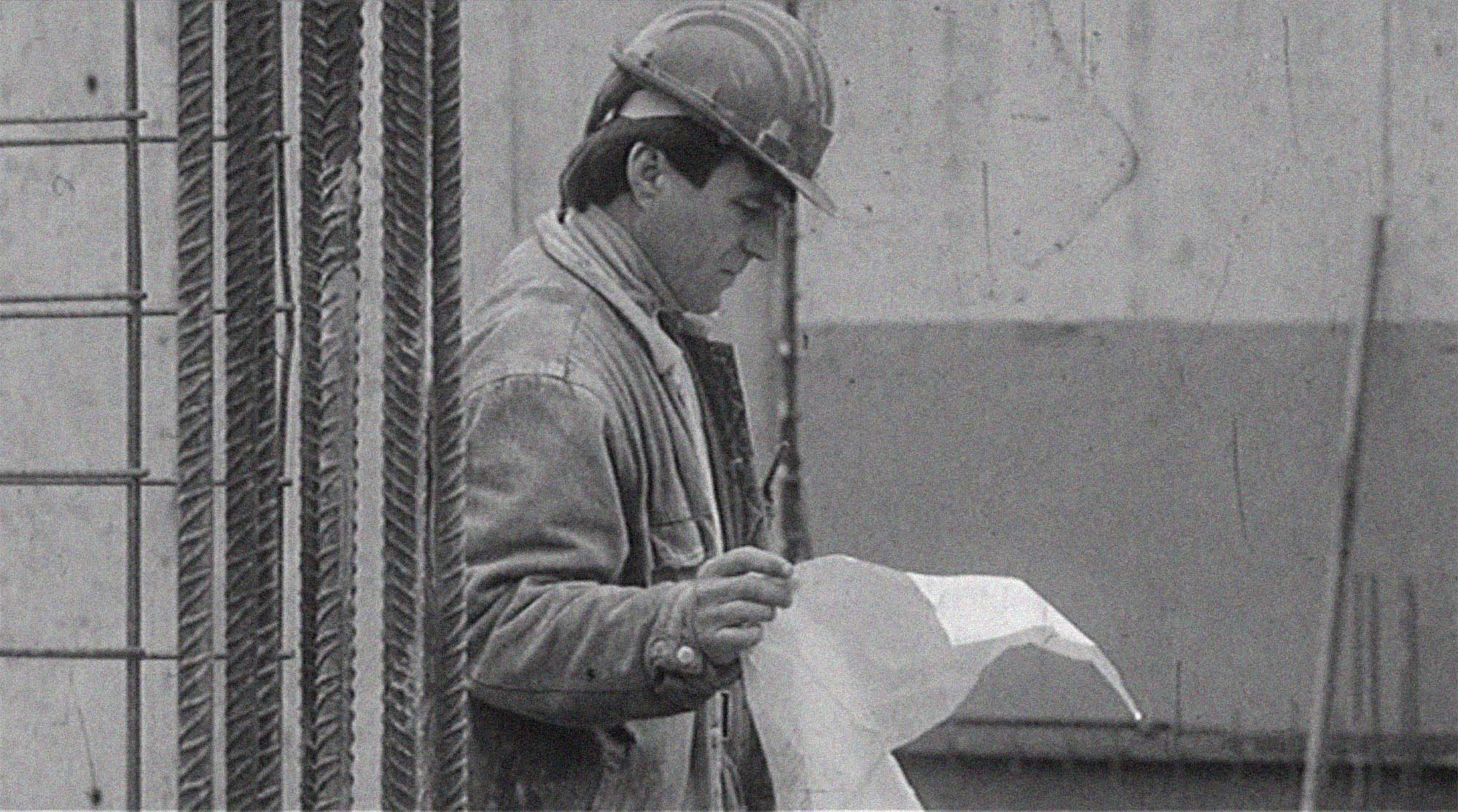 BaustelleIiuri Maia Jost Germany, 2009
A view of a building site in Karlsruhe, the city of building sites. The so-called "observations" have been produced at the HfG since 2009. Professor Thomas Heise introduced this exercise, in which two formal requirements shaped the films: everyone was assigned a roll of 16mm film (approx. 11 minutes) and had to observe something. No sound was recorded and the films were developed by hand in a chemical bucket.
Since 2009, the so-called “Observations” have been created at the HfG. Professor Thomas Heise introduced this exercise, in which two formal requirements shaped the films: Each participant was assigned a roll of 16mm film (approx. 11 minutes) and had to observe something. No sound was recorded, and the films were developed by hand in a chemical bucket.More Info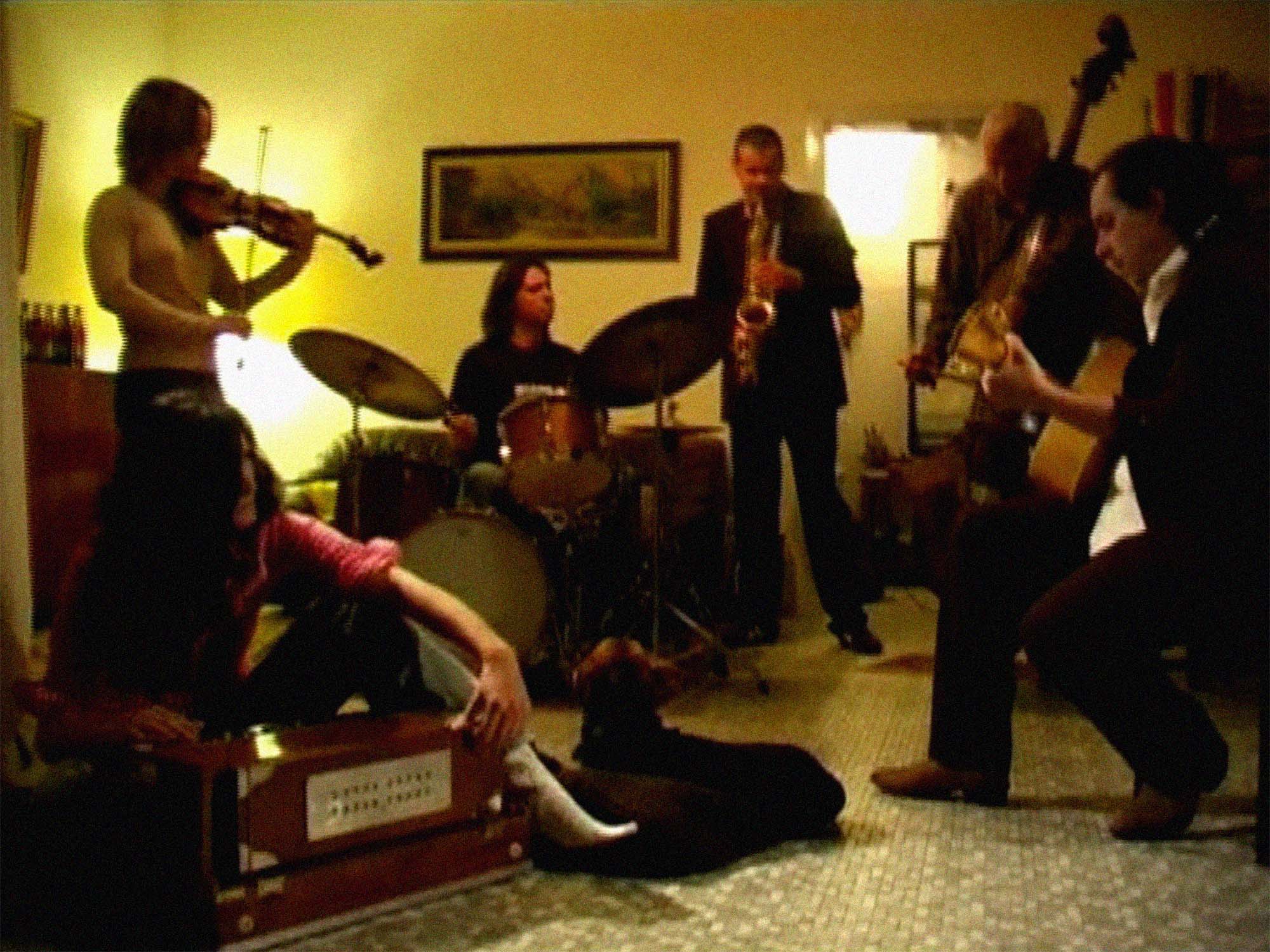 Kammerflimmer Kollektief – Nachtwache, 15. SeptemberBernd Schoch Germany, 2006
A music video for the Karlsruhe band Kammerflimmer Kollektief: a nocturnal ramble through the city and a look into the windows of others. It's no secret that Kammerflimmer Kollektief and Bernd Schoch are close: they contributed the music to some of his films, most recently to Olanda, which won the dokKa Prize of the City of Karlsruhe in 2019. In return, Bernd Schoch gave them this music video, which, after a long drive through the dark night, finally discovers the band in one of the many windows and sits down in front of it.
More Info Guided TourRené Frölke Germany, 2011
In 2008 - at the height of the financial crisis - the then Federal President Horst Köhler visits the HfG. There he was given an exclusive guided tour by Peter Weibel and Peter Sloterdijk...
A guided tour could hardly be more educational, as you have the opportunity to look over the shoulders of intellectual greats such as Peter Sloterdijk and Peter Weibel. The then Federal President visits the HfG; its student René Frölke captured in concentrated black and white how the improvised media art discourse of the aforementioned gentlemen is colored by the longing for reflection on the real economy.More Info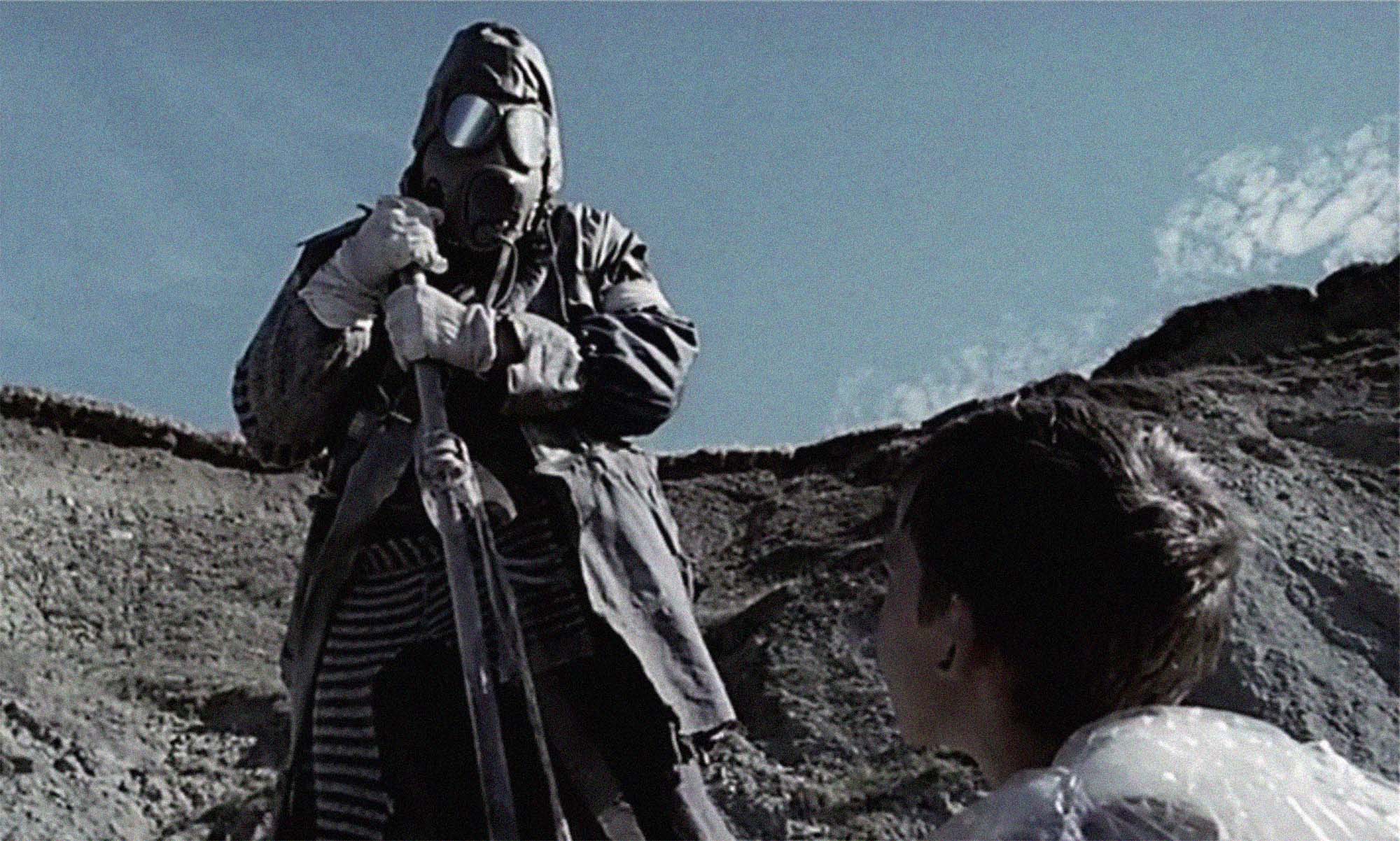 Am Strand – Die Nackten und die VerdammtenAlexander Bischoff Germany, 2004
Sometime in the future: Humanity is at an end, the damned drag their dying bodies to the seas in the hope of finding healing there. The beaches have become cemeteries. Androids are blamed for the downfall of humanity, and hunters are sent out to destroy them. On one of the cemetery beaches, a huntress and a gravedigger fight over an android boy.
The short film is set in a bleak future: Humanity is at an end, the damned drag their dying bodies to the seas in the hope of finding healing there. The beaches have become graveyards. Androids are blamed for the downfall of humanity, and hunters are sent out to destroy them. On one of the graveyard beaches, a huntress and a gravedigger fight over an android boy.More Info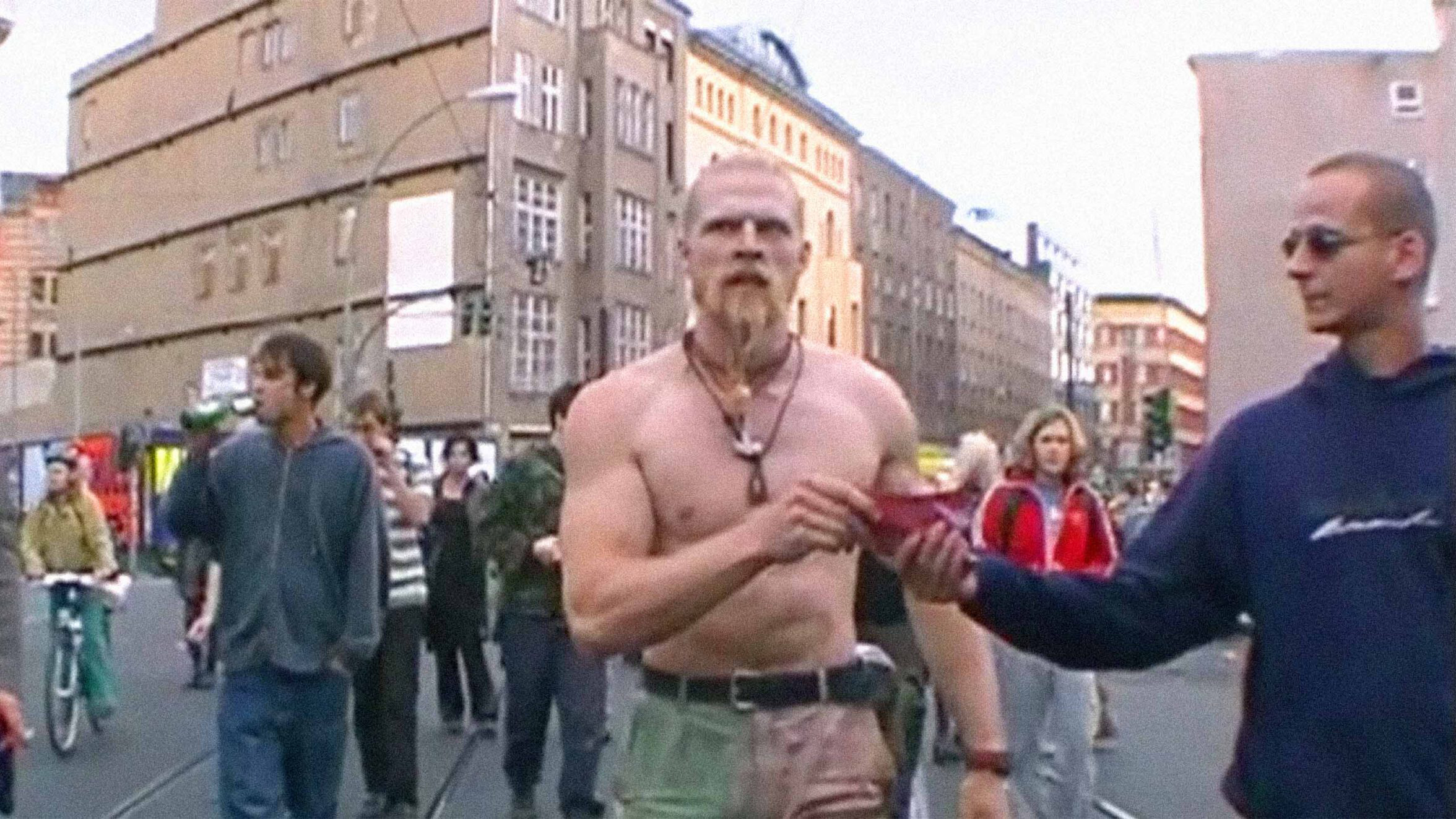 Kneecam No. 1Matthias Fritsch Germany, 2001
What can I say… It’s the Techno Viking! But what does he have to do with the HfG, some of you are probably wondering. Come on by and find out.
More Info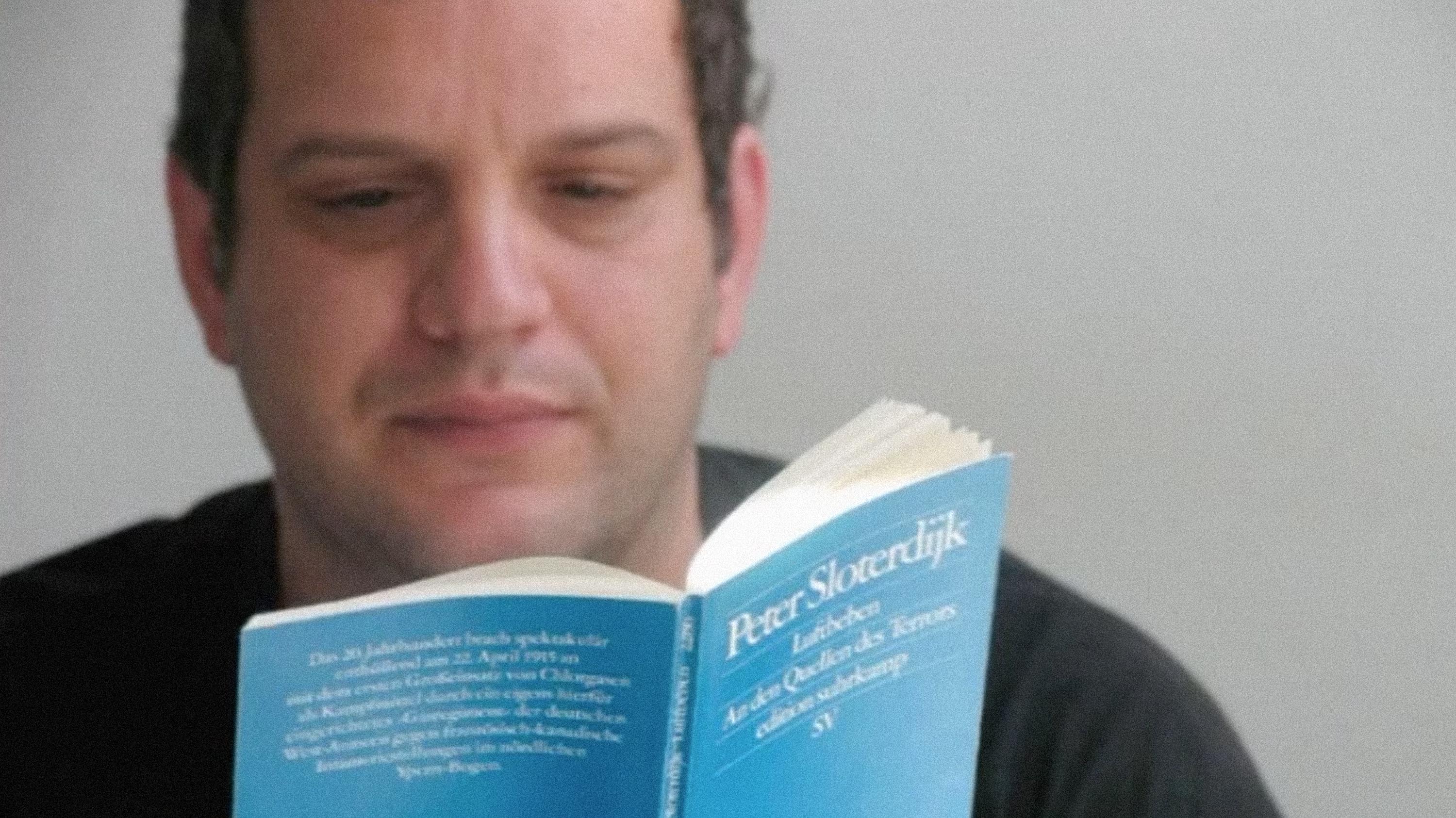 PongAnnabel Angus, Katrin Uecker, Patrick Hill Germany, 2005
The two-dimensional ball from Pong - the mother of all video games - steals into the three-dimensional space of the HfG and wreaks all kinds of havoc there - an animated snapshot of the HfG from 2005.
In their stop-motion film, Annabel Angus, Jens Gerstenecker, Patrick Hilss and Katrin Uecker capture a piece of the HfG, probably without knowing it. The white ball leads us through the HfG, we see people that most people will no longer know. Some of them are probably already dead, but on this beautiful summer's day in 2005 they were probably glad that the dull university job was once again being disturbed by the cheeky jokes of the students!More Info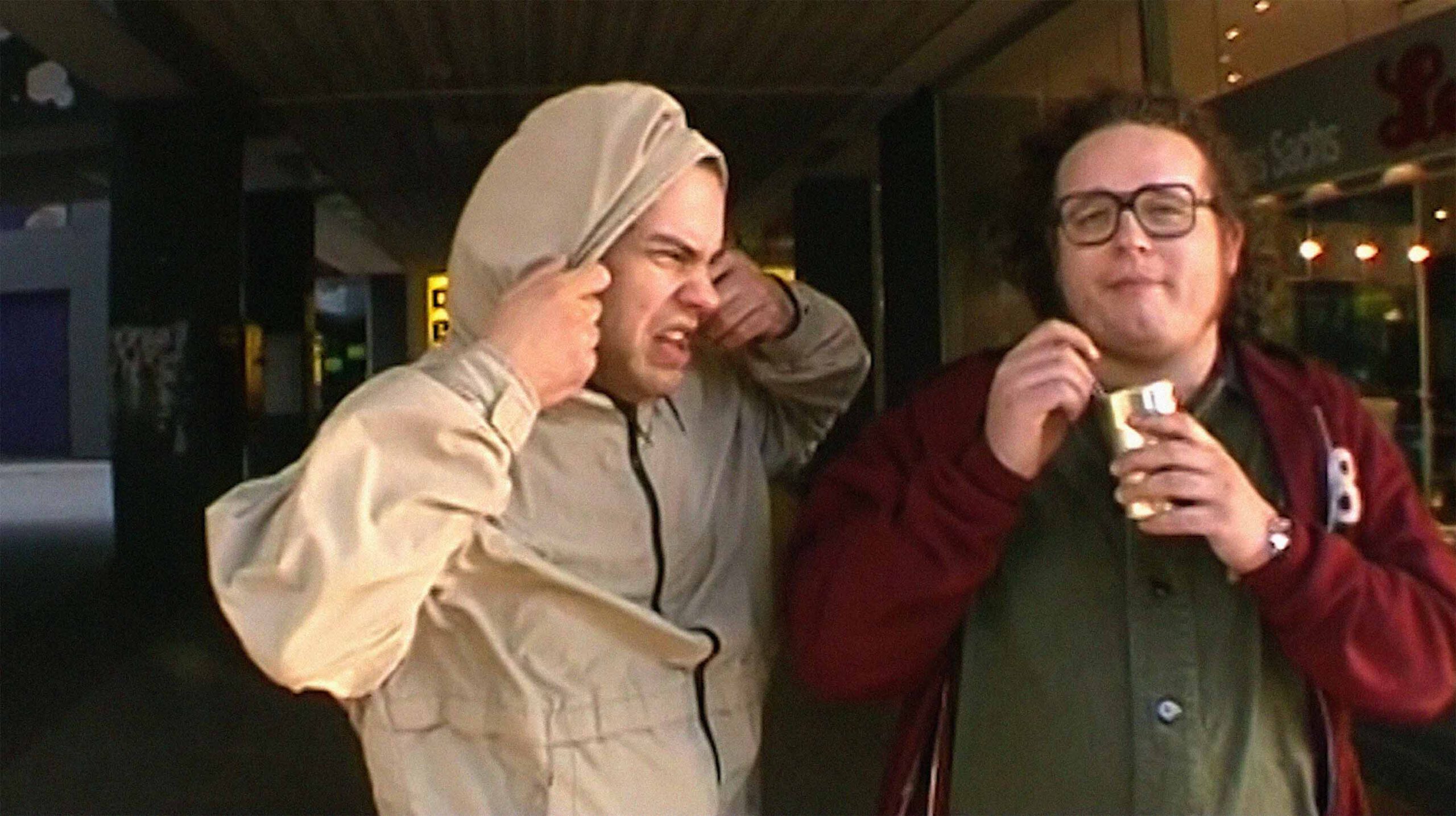 Der Tag an dem Leo einen Glückspfennig fandChristoph Wermkle Germany, 1999
A movie about spontaneous decisions in everyday life. The structure of the film, which consists of two versions shot in one go, is interesting.
An unconventional piece of HfG film history. According to the blurb, the structure of the film, which consists of two versions shot in one go, is interesting. One "normal" and one "nonsense". At times, however, the suspicion arises that there was a general desire to shoot the latter, regardless of the version. This movie is highly recommended for all those who like to eat cat food, love mopeds and drink washing-up liquid.More Info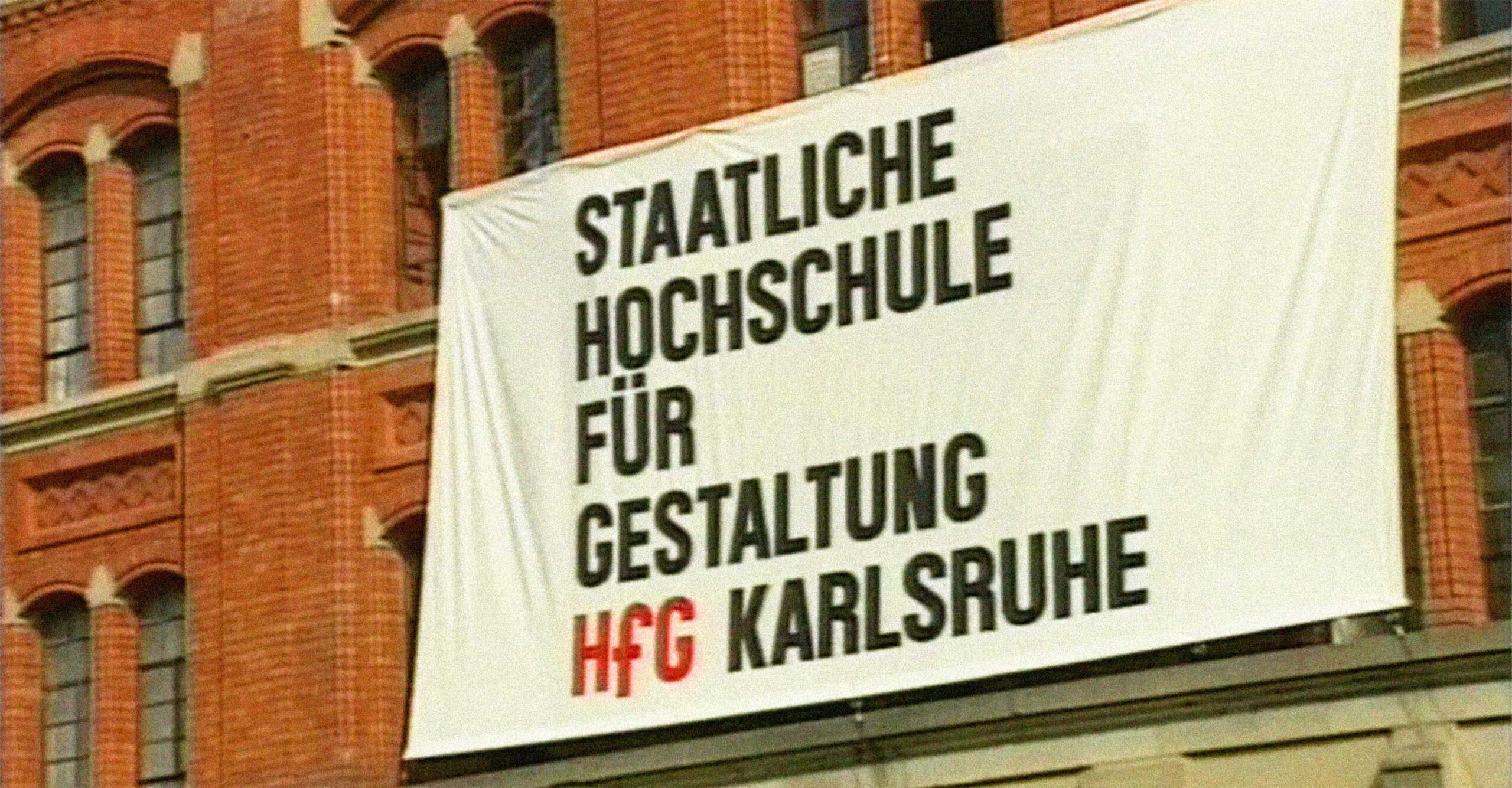 Medienuniversität der Zukunft – Eröffnung der Hochschule für Gestaltung in KarlsruheStephan Krass Germany, 1992
The Karlsruhe University of Arts opened in Grünwinkel in 1992. The later HfG professor Stephan Krass was there for SWR.
When Krass filmed a short report on the opening of the HfG for the culture magazine Bizz in 1992, he probably had no idea that a few years later he would be teaching at the same university himself - which had since moved to the former IWKA factory building.More Info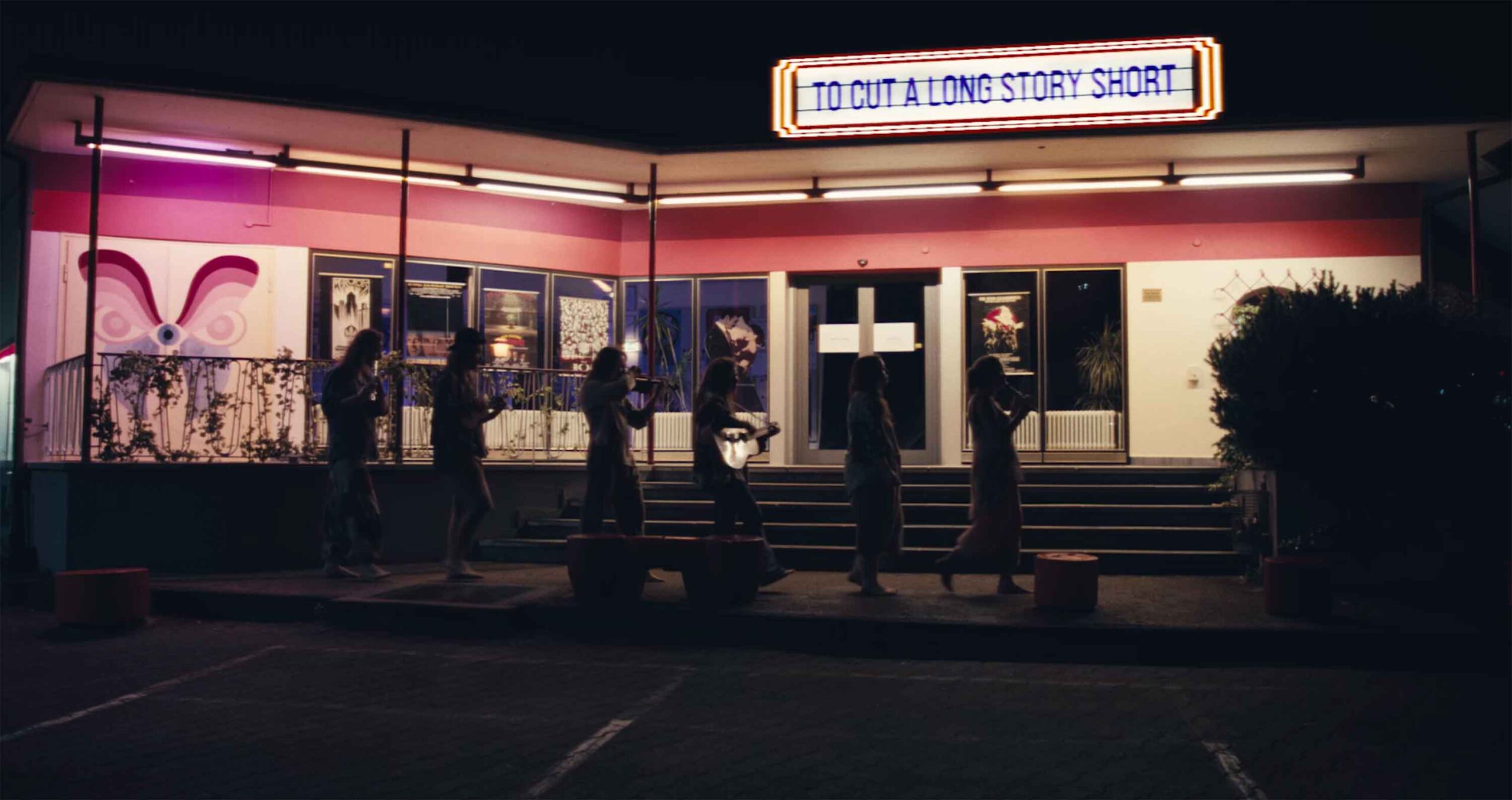 To Cut A Long Story ShortMinh Anh Nguyen Germany, 2021
The opera singer presents the success of her speed diet and gives helpful tips for follow-up problems. The reserved brunette meets the charismatic macho who tries to lure her out of the net of her insecurity. Their joint odyssey leads them to a deserted island, to a swimming pool at night and into a Dionysian bathroom. Too bad she’s a fish who’s afraid of the sea. The redheads meet on the dance floor and speak as if from the same mouth. Magic carries them away, but why, of all things, does the schizophrenic have to show up in the jungle? And then there is the night porter, who is secretly dancing in the hotel’s staff toilet. He obviously has a crush on the pretty waitress from the diner around the corner, but while he’s ogling her over the covers of his Camus book, the stranger suddenly appears and everyone takes a different direction …
More Info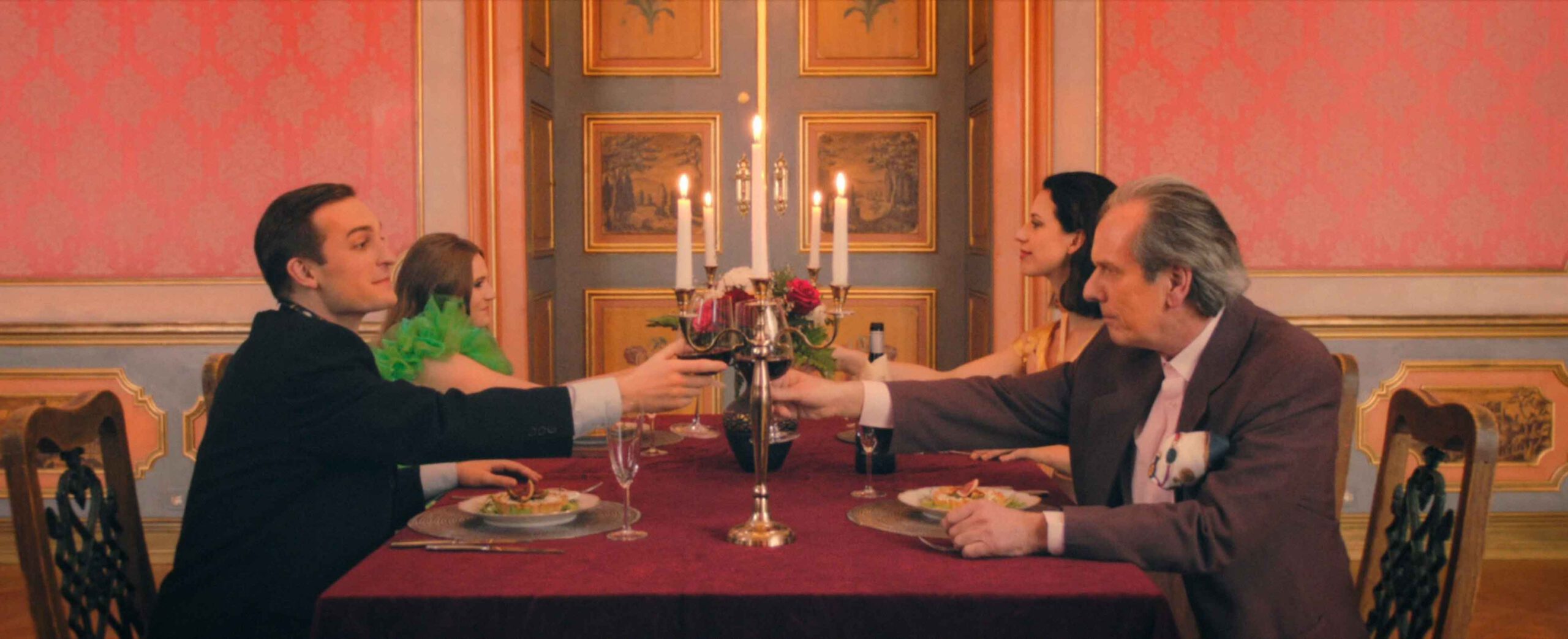 PurpurIsabelle Konrad Germany, 2021
Purpur is an experimental look at gender issues in the film business and tells the story of a film character who rebels against an outdated image of women and a discriminatory system. Isana is the fictional main character of a film production. She receives instructions in the form of script pages. But she wants to break out of the life that has been prescribed for her and determine it for herself.
More Info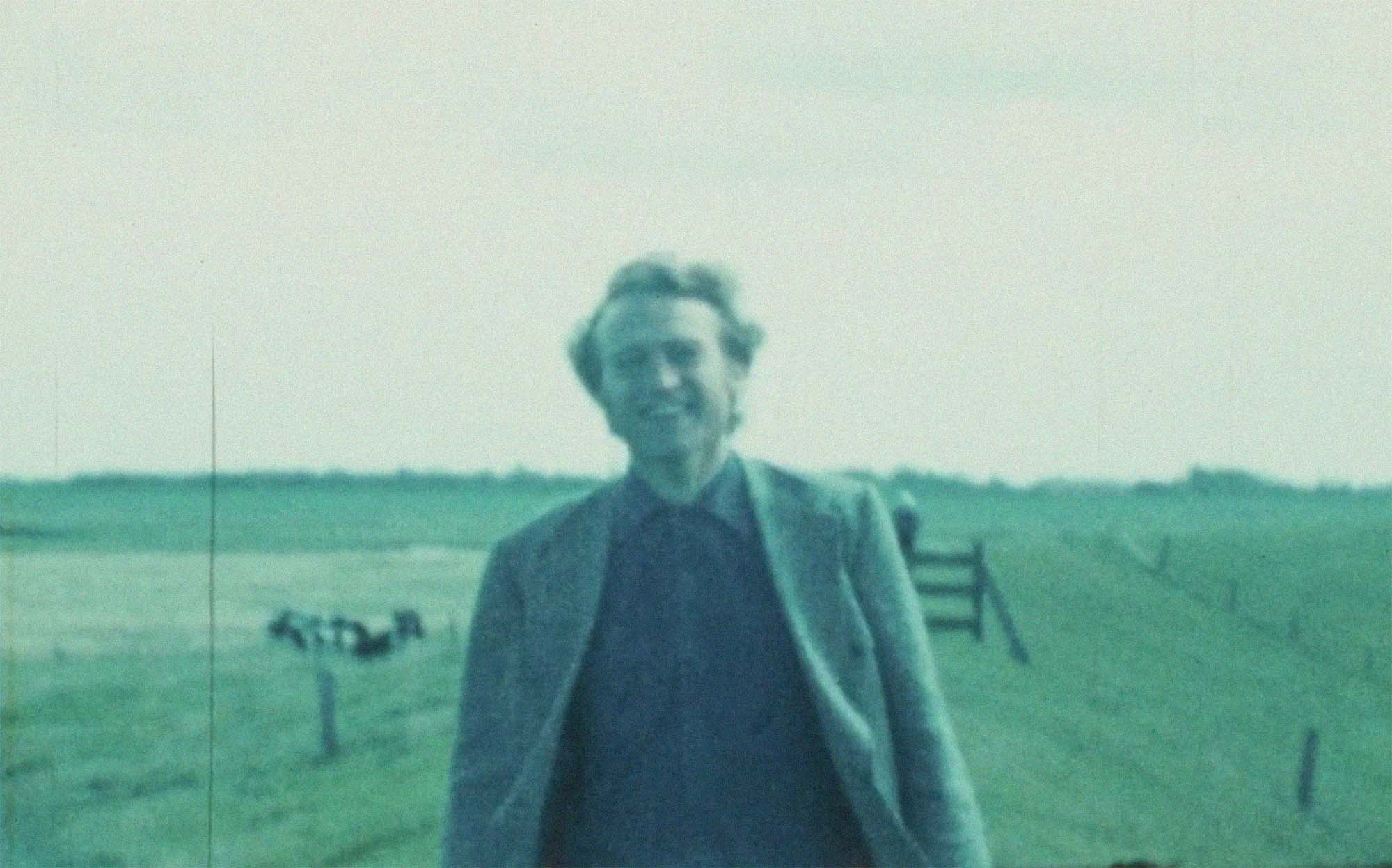 A New Environment Heinrich Klotz on Architecture and New MediaChristian Haardt Germany, 2019
The old world is gone. Our landscape bears scars. Entire cities have been levelled. Is it possible to regenerate the city without covering over the warnings of war’s aggressions? Or can these ruins provide a unique chance to reinvent the city thoroughly? The art historian Heinrich Klotz took precisely these questions, concerning the reconstruction of Germany’s historical districts after World War II, as the departure point of his practice.
More Info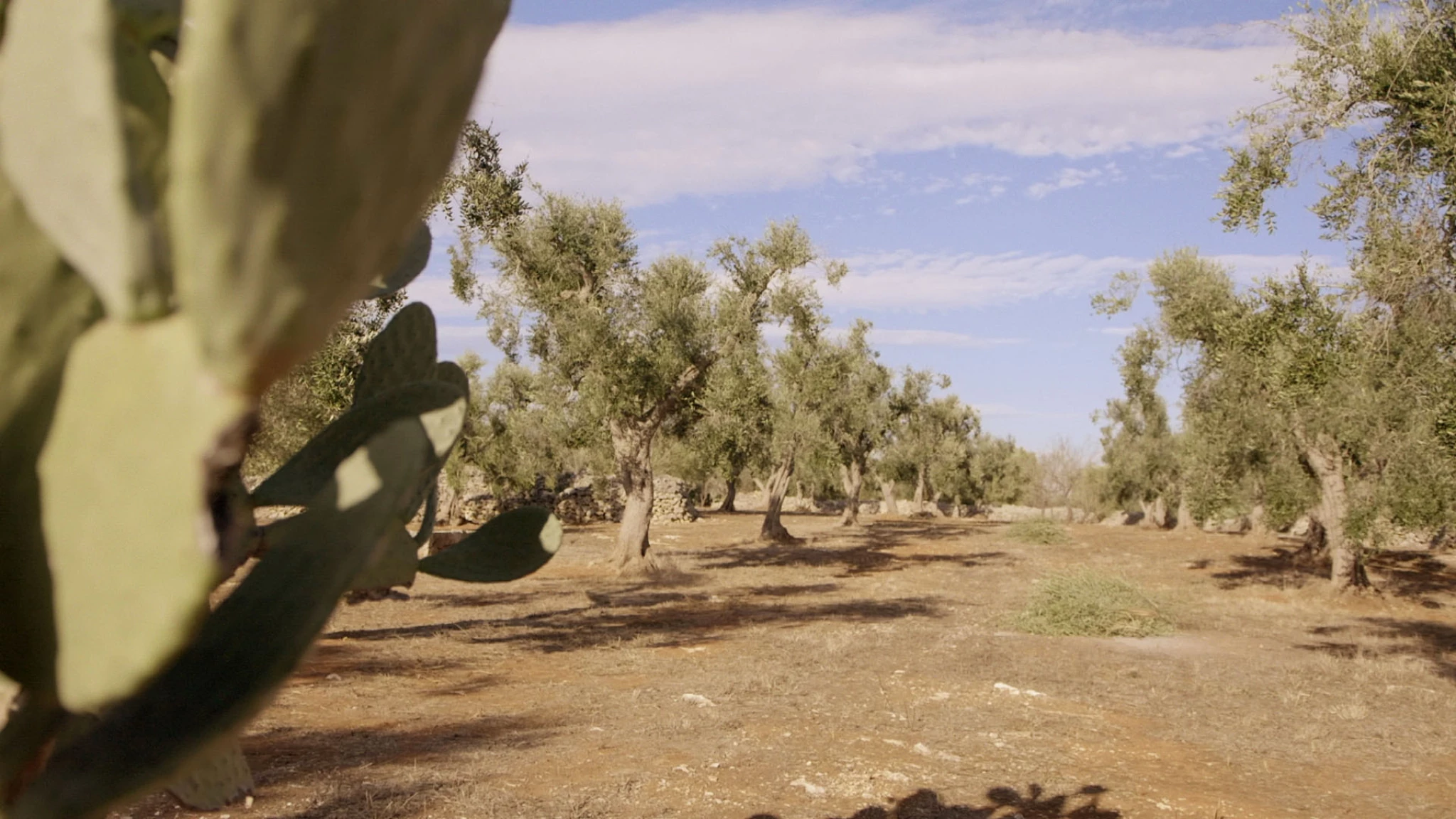 La StanzaDominic Thiel Germany, 2021
Ein Windstoß bewegt den Vorhang am offenen Fenster. Wie kraftvoll können Wörter sein und wie lebhaft die Erinnerungen! In einer ihr fremden Umgebung verfällt eine junge Italienerin der Sehnsucht nach dem Vergangenen.
More Info Conflicting ImageMax Victor Herbert Germany, 2021
How does the depiction of war change in times of Smartphones and the internet? This
documentary uses only YouTube material filmed by soldiers, journalists, civilians or war zone
tourists to portray the absurd global theater of war and its depiction through GoPro cameras,
TV, and VLOGs. A study of modern war aesthetics, the promotion of romanticizing and
glorification of war.More Info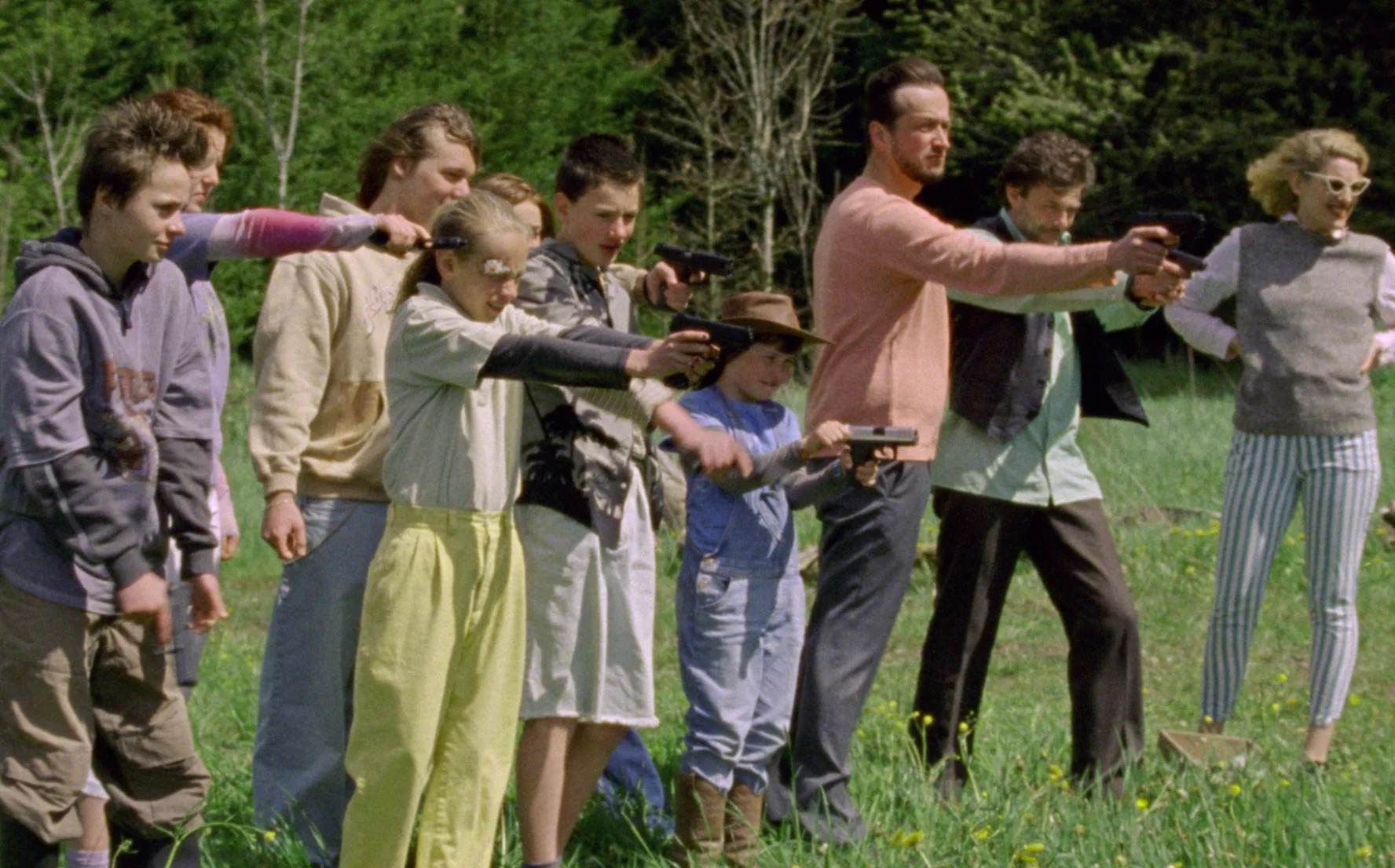 UnterrotensteinSophia Schiller Germany, 2021
On weekends, the farm of a young family becomes the meeting place of a large circle of friends. The impetuous group of children develops its own, childishly brutal dynamic. Power games and a constant struggle for strength drive them on. Thus, they engage in war games, shoot at each other, trick each other and make fun of each other. Nine-year-old Moni, the youngest of the group, is at the bottom of the socio-dynamic food chain. The attraction to her older sister's friend and the question of whether her father is really Moni's father form the background noise of a weekend that seems to stretch on for an eternity. A film about the painful beauty of growing up.
More Info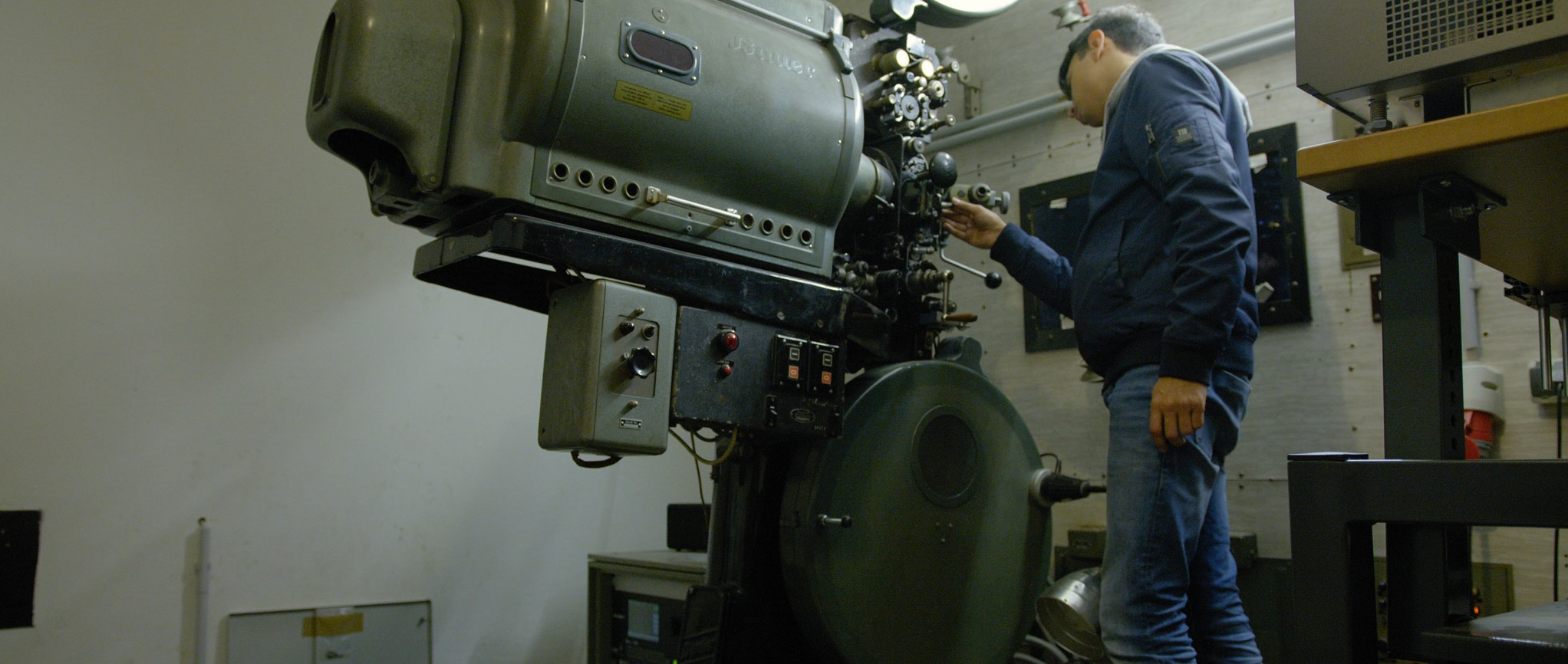 This Is Not The EndJason Stewart Germany, 2021
Three young cinema enthusiasts go on a road trip and visit different cinemas to save old, analog technology. In the process, the very own and soon forgotten stories of the cinema operators from that time come to light again. The result is a special snapshot of cinema, ten years after digitalization, in the middle of a pandemic, with many stories from the "good old days" and yet not just nostalgia. With the worries about the uncertain future of cinema, but also the confidence of many passionately active cinema people. And also a portrait of three anachronistic young people who, in the year 2020, are still completely burning for the long-dead analog cinema and therefore, against all the spirit of the times, are bringing the old back to life. The title "This is not the End" alludes to the core idea: Analog cinema will not completely end as long as there are still people who continue to deal with it, not only conserve it but continue to use it.
More Info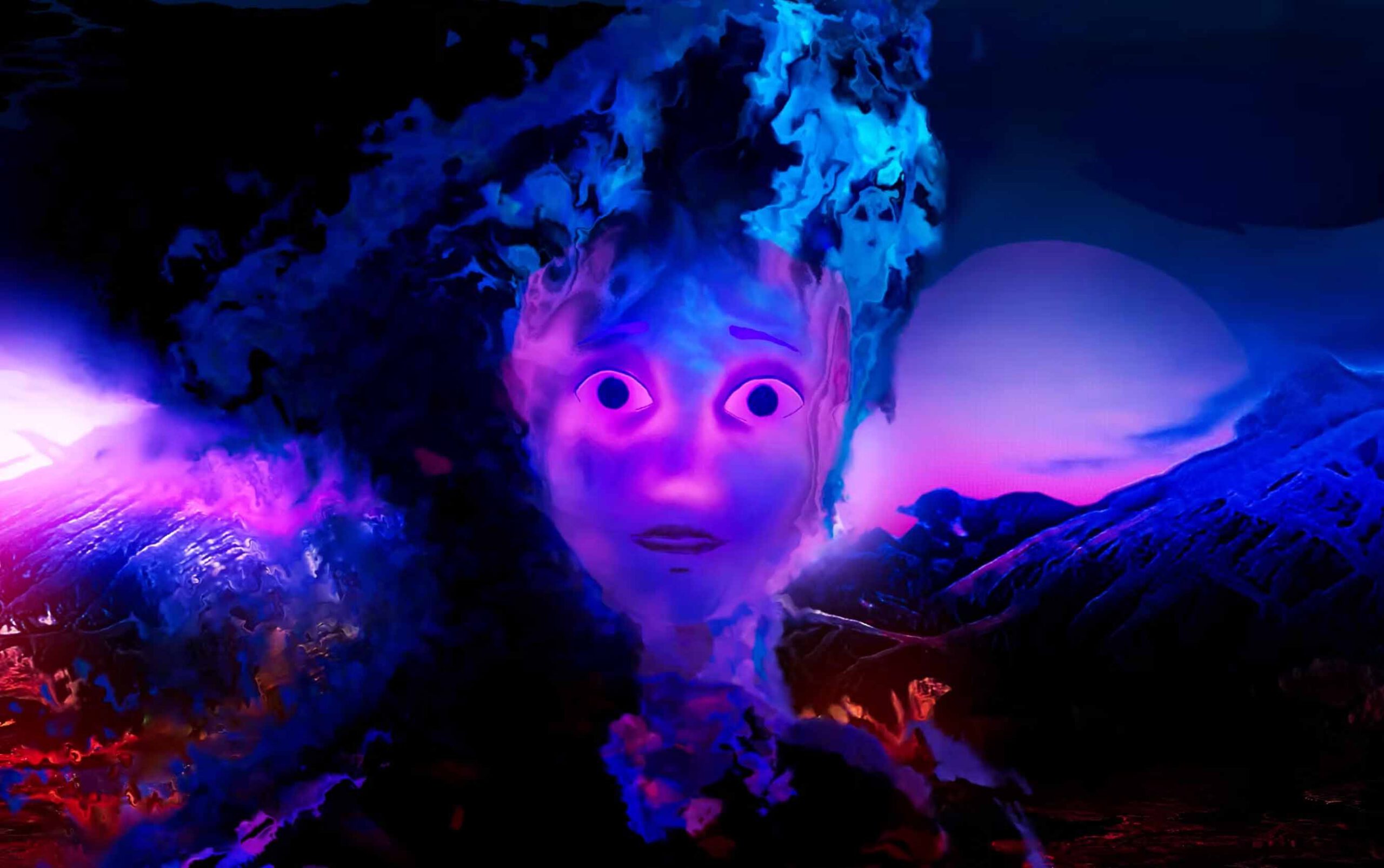 Dream MachineVictor Van Wetten, Gerrit Kuge Germany, 2022
Mankind has 8 minutes left, then the Earth will be wiped out. Escape is impossible. In the last heat years before the death of the sun, the remnants of humanity have fled under the surface of the earth. Connected to the "dream machine" that can simulate any fantasy and stretch the perception of time, the physical world has been replaced by the digital world. Here the last 8 minutes become 12 000 years.David and Lena are lovers in this simulated world. After a solar storm by burning David's body, Lena starts an image of David's consciousness, but the backup is faulty and confused.
More Info