

Loading...

Raoul Duke and his attorney Dr. Gonzo drive a red convertible across the Mojave desert to Las Vegas with a suitcase full of drugs to cover a motorcycle race. As their consumption of drugs increases at an alarming rate, the stoned duo trash their hotel room and fear legal repercussions. Duke begins to drive back to L.A., but after an odd run-in with a cop, he returns to Sin City and continues his wild drug binge.

After Pulp Fiction hit international cinemas like a bombshell in 1994, the whole world was waiting for new material from directorial prodigy Quentin Tarantino. It arrived the following year in the form of the episodic film Four Rooms, which Tarantino directed together with his long-time collaborator Robert Rodriguez (From Dusk Till Dawn) and independent filmmakers Allison Anders (Gas Food Lodging) and Alexandre Rockwell (In the Soup). The wild genre mix between the slapstick comedy of Jerry Lewis and the black-humored gangster cinema that made Tarantino famous follows a hotel bellboy (Tim Roth) through a wild night in which he has to deal with, among other things, a coven of witches and a crazy Hollywood director played by Tarantino himself. Star-studded down to the smallest role, “Four Rooms” is largely forgotten today, but we now have the rare opportunity to rediscover it in analog 35mm projection.
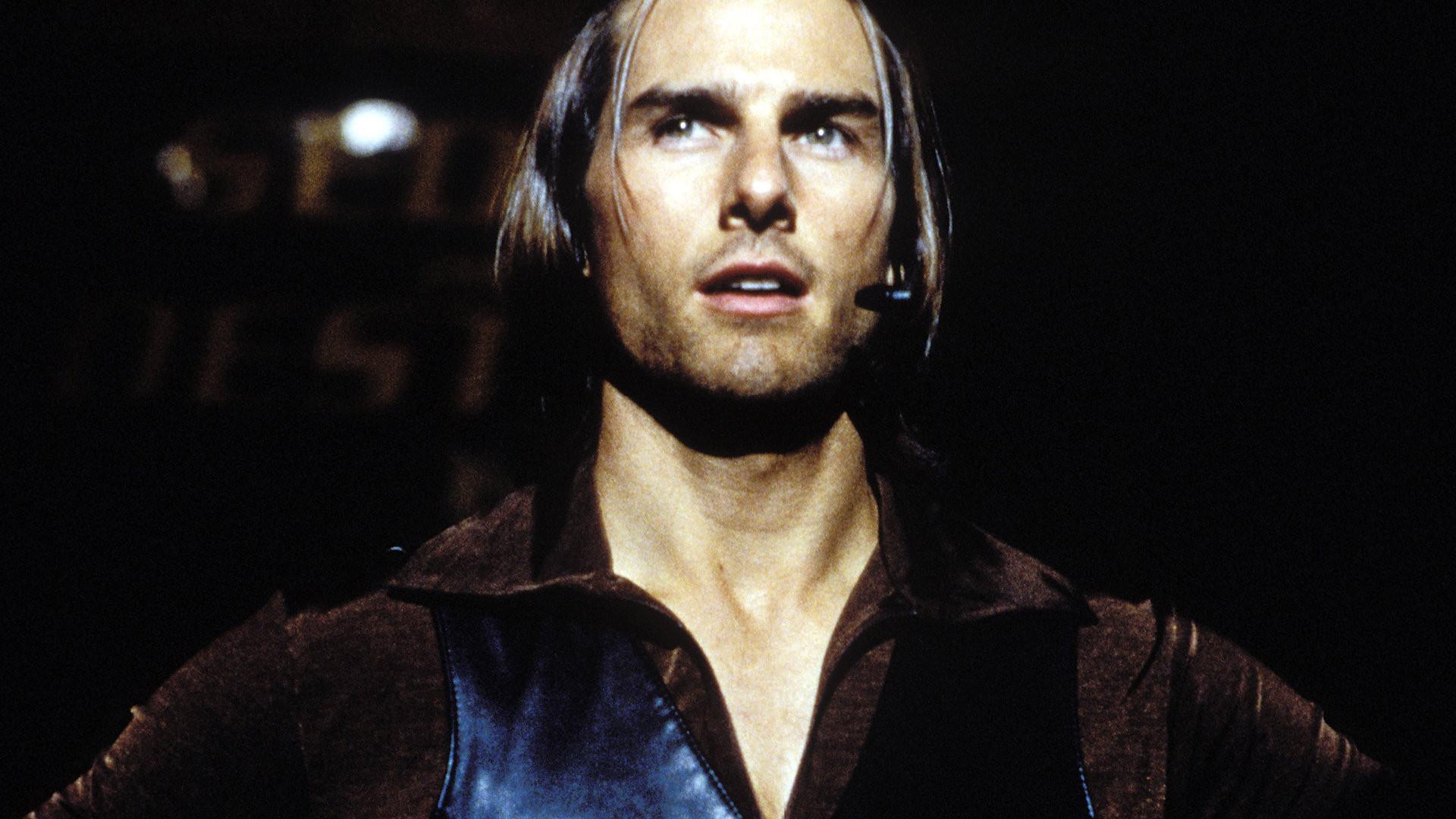
Paul Thomas Anderson’s Altmanesque portrait of a day in the crisscrossing lives of various San Fernando Valley residents—including a sleazy motivational speaker (Tom Cruise); a distraught, pill-popping, soon-to-be widow (Julianne Moore); a has-been former quiz kid phenom turned sad sack (William H. Macy); a lovelorn cop (John C. Reilly); and a troubled, coke-addicted young woman (Melora Walters)—is a gloriously sprawling, dizzyingly ambitious roulette wheel of chance encounters, freak occurrences, and emotional extremes. Throughout, the director creates a whirlwind sense of visual dynamism via relentlessly roving Steadicam work, including an epic, tour-de-force tracking shot through the backstage buzz of a television game show in the moments leading up to showtime.

The gangster couple Pumpkin and Honey Bunny commit a robbery at a diner. The two hitmen Jules and Vincent get caught up in a shootout with serious consequences. And Butch, a boxer who is no longer in his prime, is supposed to go down early in his next fight because that's what an underworld boss wants... Cinema history knows an era before and an era after PULP FICTION: In his second film, Tarantino brings a previously unseen style and a new sound to the screen. The video nut and grindhouse fan redefines the concept of “coolness” with unforgettable characters, sharp dialogue, and a brilliantly constructed narrative.
(Florian Widegger)
Translated with DeepL.com (free version)

Elvis or Carl Perkins? That is the question here. In three loosely interwoven episodes, the director recounts with laconic humor the bizarre encounters that took place during one night in the musical heart of America—Memphis, Tennessee. A troupe of cult actors and musicians such as Screamin' Jay Hawkins, The Clash's Joe Strummer, Tom Waits, and Steve Buscemi appear in small, bizarre roles without warning, ensuring a constant smile of recognition. “Mystery Train” embodies that feeling of the nineties, when the present stretched far into the future – a single, great moment for chance encounters, not yet shrunk under the weight of the past or worries about the future.
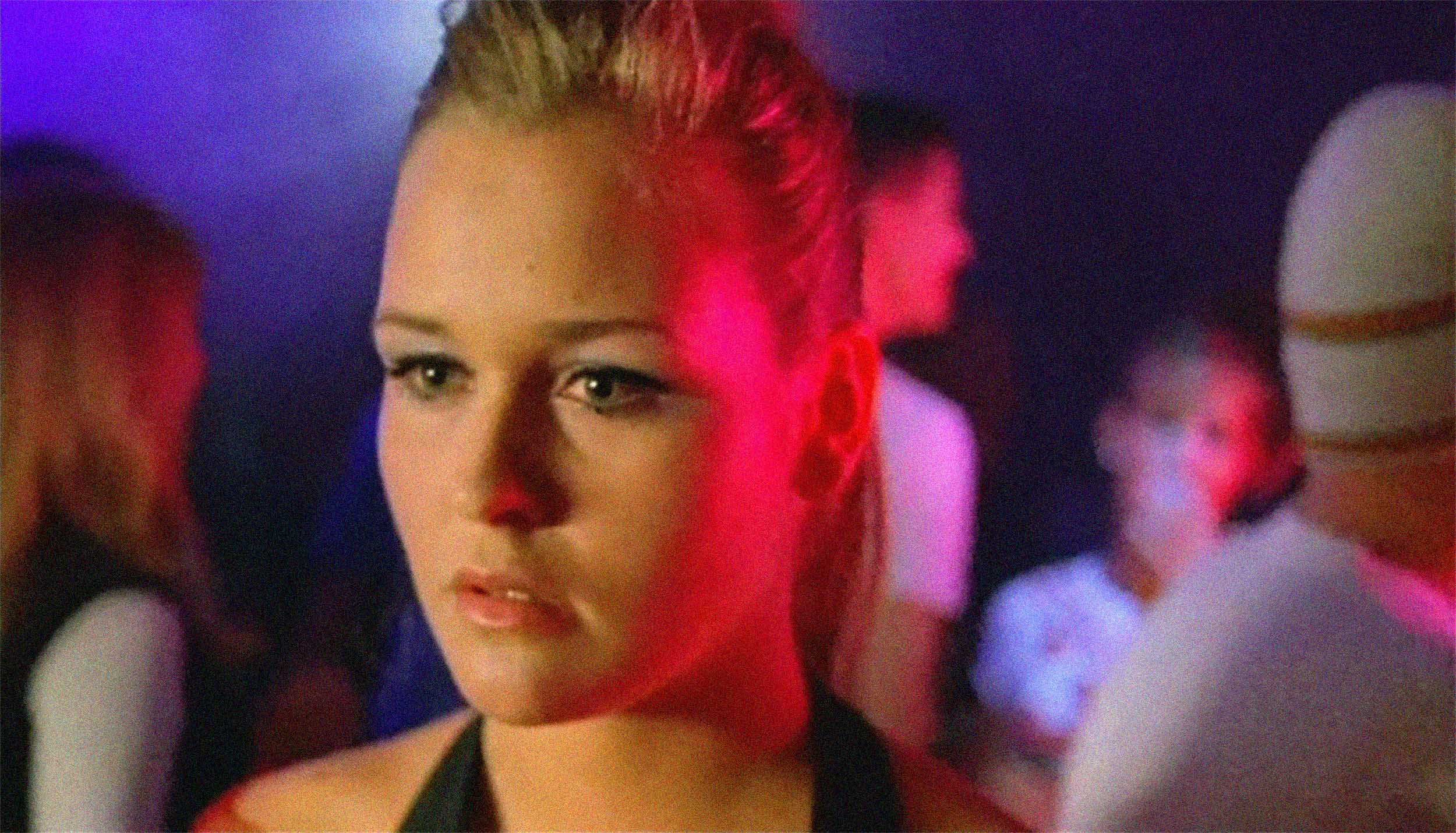
Every weekend, Lilja parties in clubs and discos until the early hours of the morning. She seems to feel right at home in the dazzling nightlife. One night, the impossible becomes reality. For a brief moment, Lilja encounters her mirror image from another world: Tom.
It's an old story, but it never gets old, and whoever experiences it has their eardrums bursting! Nils Menrad's short film about a night of intoxication in many ways in Karlsruhe's party heaven could also have been an expression of his secret desire to finally produce techno music videos for VIVA or MTV. If we were the bosses of VIVA or MTV, we would buy his clips!
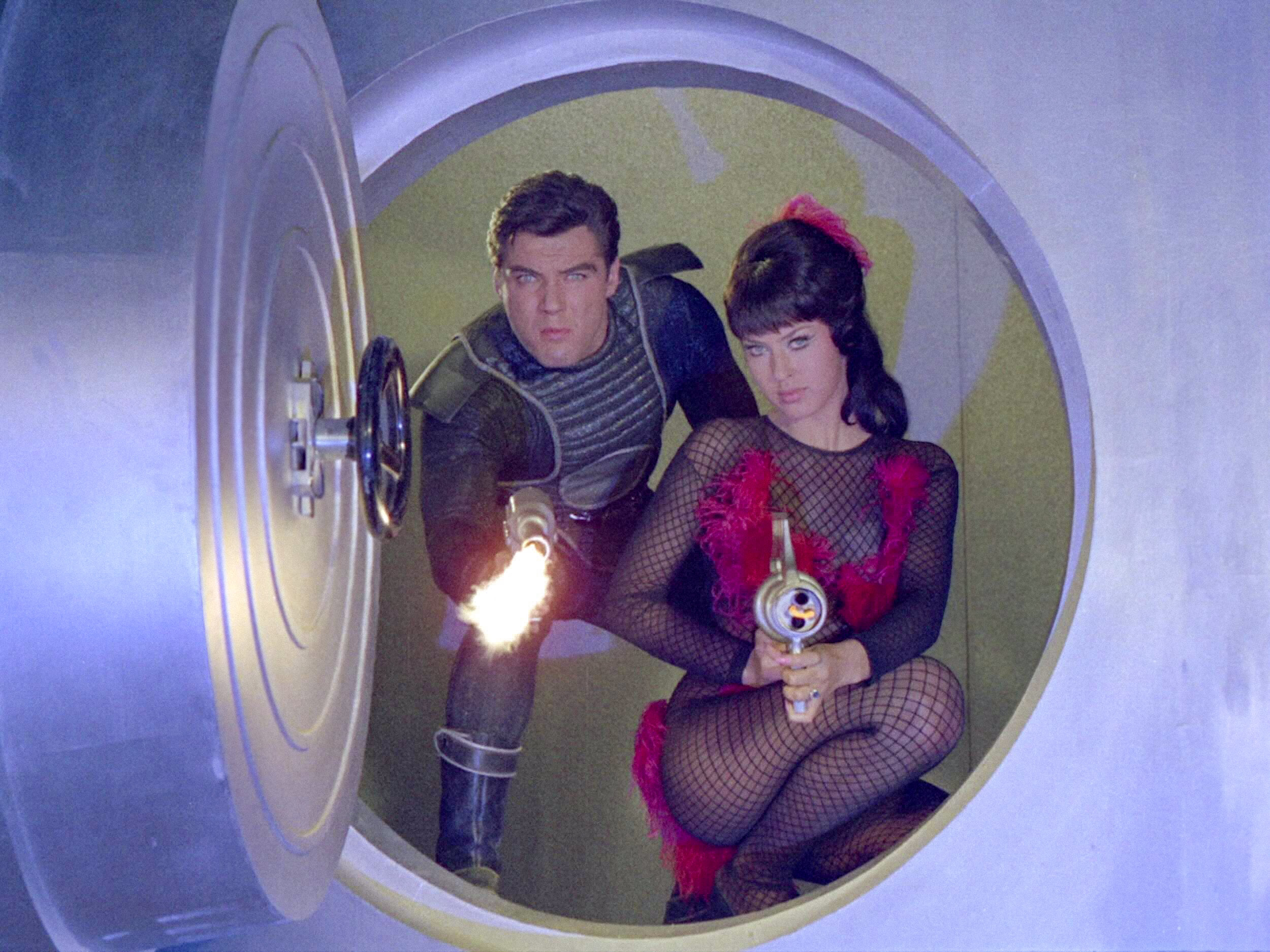
Directed by Pietro Francisci, best known for his popular Hercules films, Raumkreuzer Hydra – Duell im All is an idiosyncratic science fiction B-movie from the later phase of Italian genre cinema. A group of Earthlings is abducted by aliens and drawn into an interstellar adventure that shifts between spy thriller, space fairy tale, and unintended comedy. A curious cosmos shaped by Cold War anxieties, technological euphoria, and pop-art sensibilities.
The cast — including Roland Lesaffre, Leontine Snell, and Kirk Morris — navigates through theatrical sets and unfamiliar planets, while Nico Fidenco’s score, enriched by choral drama, adds unexpected gravitas. Premiered in 1966, the film went largely unnoticed internationally, but today it is considered a cult fringe artifact of European sci-fi cinema — valued less for its technique than for its style: Technicolor-bright, theatrical, and audacious. A vision of outer space — through the lens of Cinecittà.
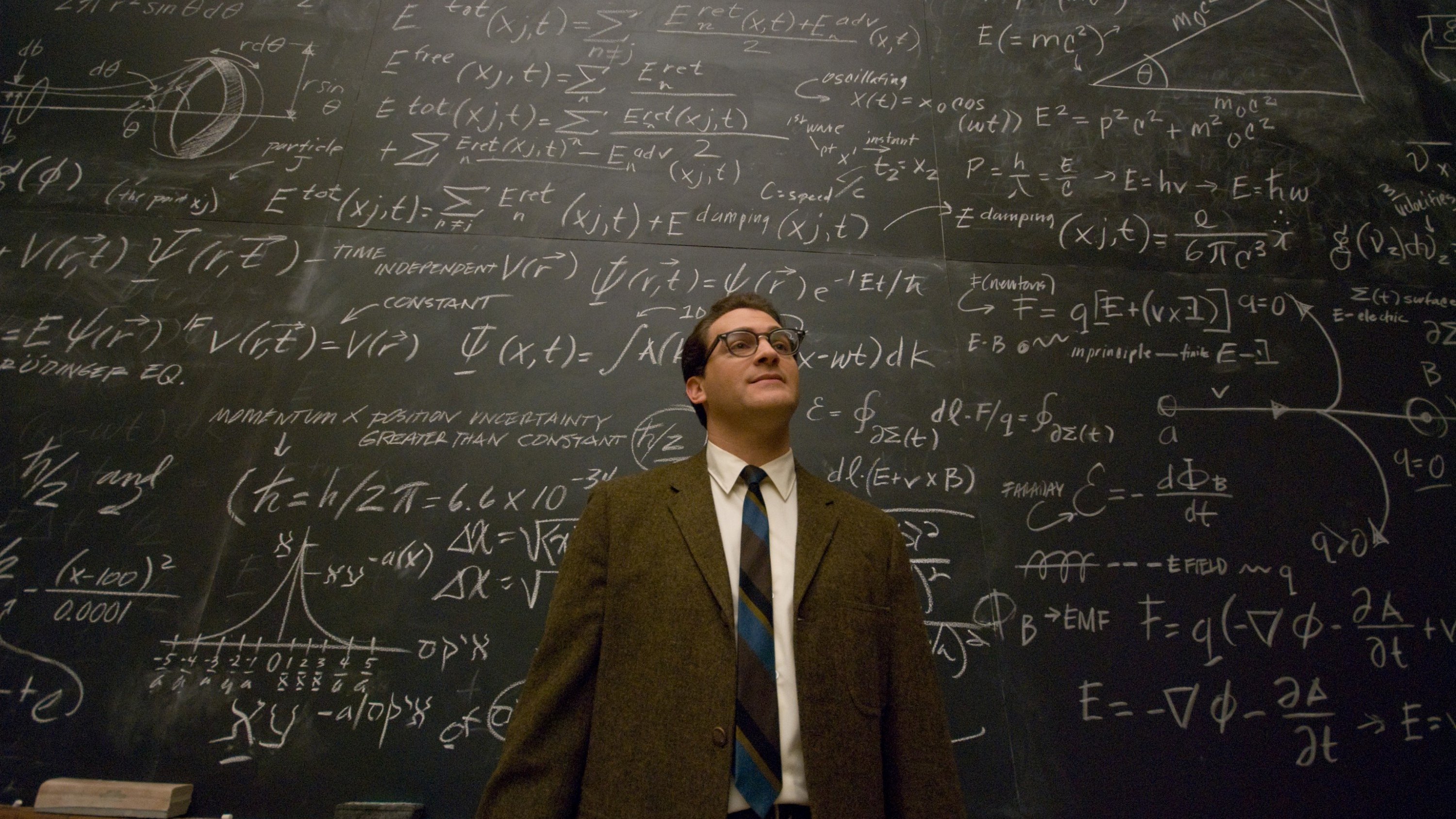
A black comedy boiled down to pure metaphysical dread, A Serious Man is the Coen Brothers at their most enigmatic. Set against the quietly buzzing anxieties of 1960s Midwestern suburbia, it’s not a story so much as a spiral: a man, a question, a universe that refuses to answer. Larry Gopnik, a physics professor, seeks meaning while his world collapses with sublime indifference.
This is not the Coens’ most famous film—but it may be their most personal. Born from their own Jewish upbringing in St. Louis Park, Minnesota, the film opens with a cryptic Yiddish folktale and closes with an approaching tornado. In between: rabbis, bar mitzvahs, Jefferson Airplane, and the Second Law of Thermodynamics. Shot by Roger Deakins in a palette of nicotine and despair, A Serious Man doesn’t explain—it stares back. A cosmic joke with perfect timing.
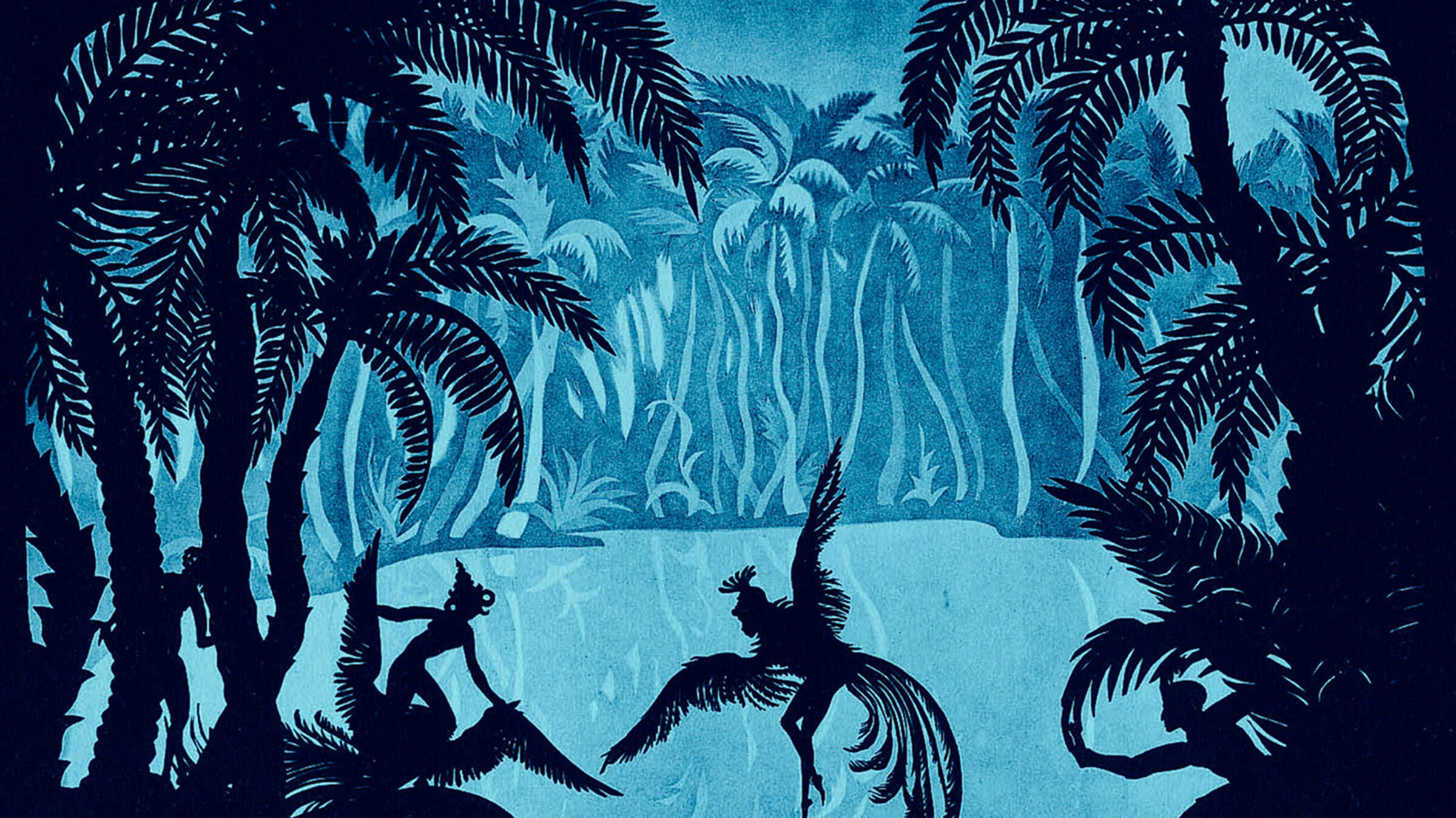
As a gem of film history, we are proud to present Lotte Reiniger's “The Adventures of Prince Achmed”. Accompanied by live music, this silhouette film from 1926, one of the first feature-length animated films ever made, is a real experience!
In the distant Orient, an evil sorcerer impresses the Caliph with his flying horse. The Caliph is thrilled and wants to buy the horse, but when the sorcerer names his daughter Princess Dinarsade as the price, her brother Prince Achmed intervenes and is promptly blown away by the wind on his flying horse by a trick of the sorcerer.
Between distant lands and spirit worlds, this is the beginning of an odyssey from which he can only find his way back to his family with the help of magic.
With their magnificent colors, the delicate paper cutouts captivate the audience. An absolute must for all fans of animated films and recommended for everyone in these turbulent times, because the escapism of the 1920s has lost none of its appeal.
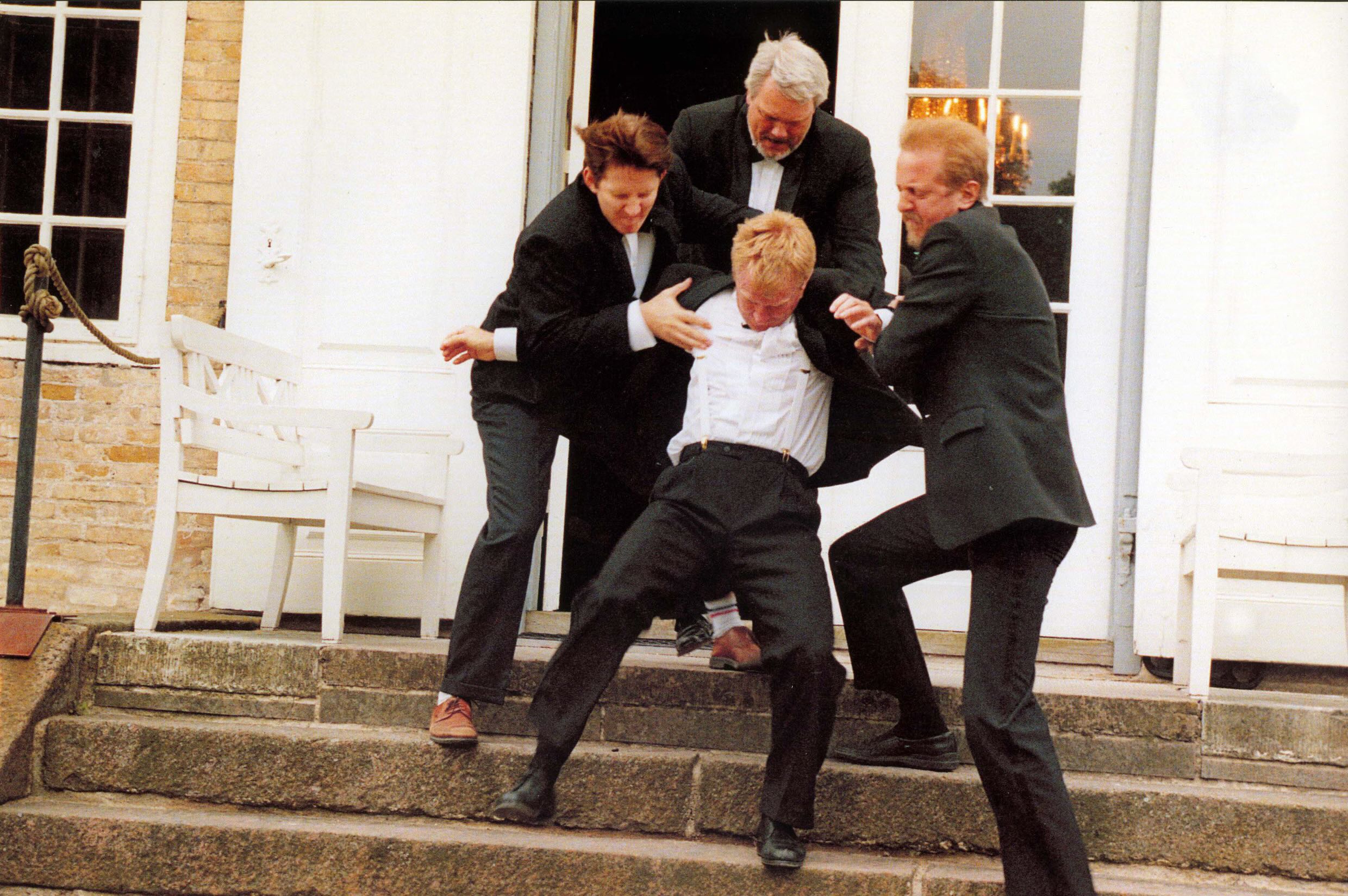
The patriarchal shine of a 60th birthday darkens into a battlefield of the soul: In Festen (The Celebration), Thomas Vinterberg’s searing debut and the first Dogma 95 film, the ritual of family gathering becomes a crucible in which repressed truths rise and decorum collapses. Set in the genteel countryside of Denmark, the bourgeois family assembles to toast the father – but when son Christian delivers a stunning speech, the festivities unravel into something far more primal.
Shot with handheld camera, natural light, and stripped of music, Festen feels raw, immediate – almost like a confession. The absence of artifice becomes its own form of force: authenticity as moral provocation. Awarded the Jury Prize at Cannes in 1998, Festen remains a landmark of European cinema – a film that transforms a banquet table into a courtroom of memory. A toast to the truth: bitter, necessary, and liberating.
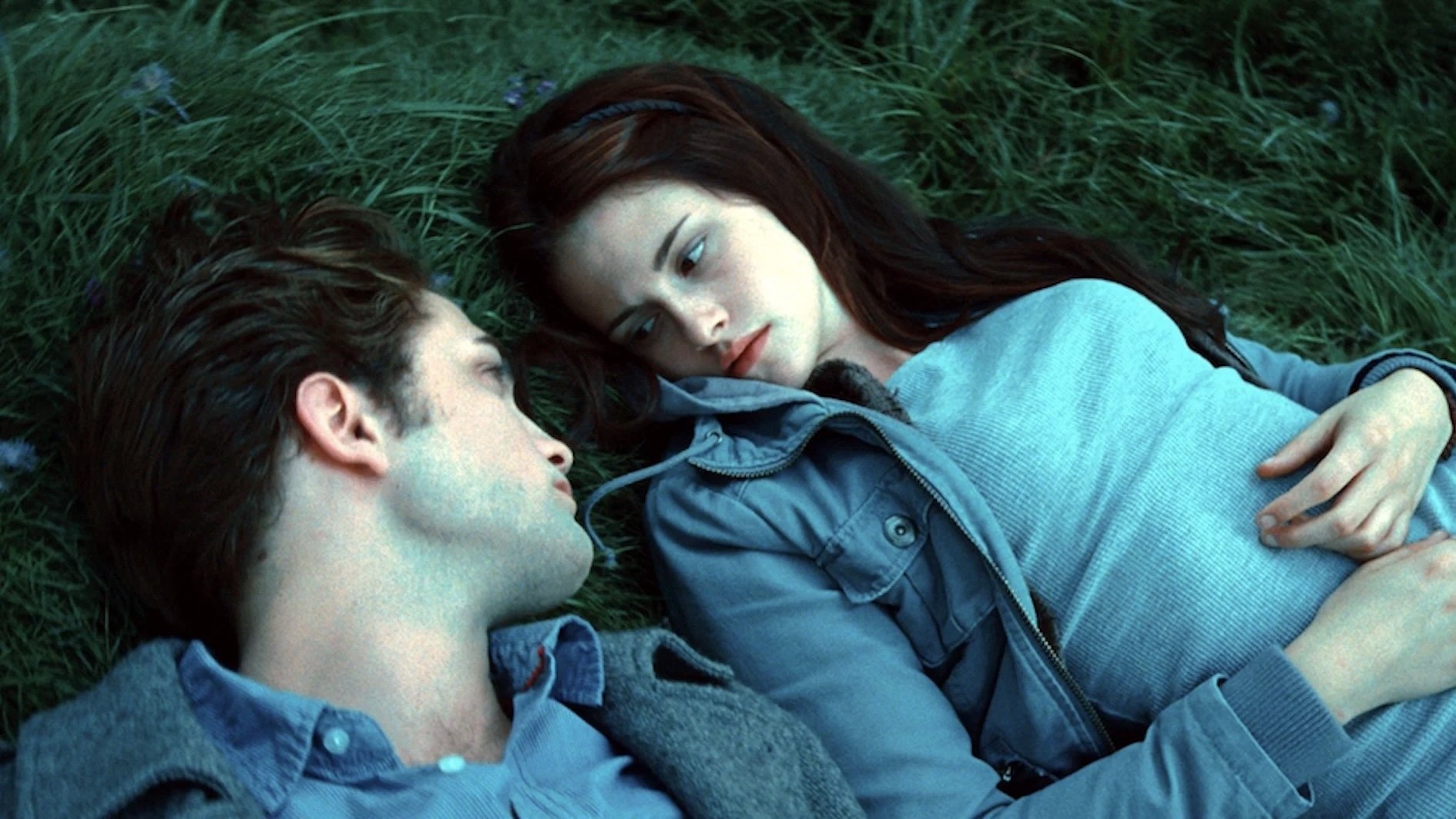
It's WoAh Woah season in the Blue Salon! The first part of the legendary book adaptation tells the story of 17-year-old Isabella “Bella” Swan, who has always been different from other girls. When her mother remarries, she moves in with her father Charlie in the small and rainy town of Forks. Her expectations for her new life are low in what she believes will be a boring and strange new environment.
But when she meets the mysterious and handsome Edward Cullen, everything changes. An immediate and strong attraction develops between the two. But something is wrong with Edward. He is different. Too fast. Too strong. And far too mysterious.
Bella enters a new world full of unknown creatures and rules. She must choose between love and safety.

The tranquil village of Folainville is in a state of emergency: the annual village festival is coming up, lanterns are dangling in the summer breeze, the mayor is going crazy, the landlady is wearing Parisian haute couture and postman François (Jacques Tati) is completely thrown off balance.
When the traveling cinema shows a documentary about the ultra-fast American postal service, François decides to transform himself into a turbo version of a mail carrier. From then on, he races through the village on his bicycle. Letters fly, chickens flutter, and even the cows look confused. The attempt to squeeze American speed into French leisureliness naturally ends in wonderfully comical chaos.
Without many words, but with a lot of charm and situational comedy, Jacques Tati, in his first feature film, shows that progress does not always mean progress - and that a letter sometimes arrives better when it is delivered with a smile instead of full speed.
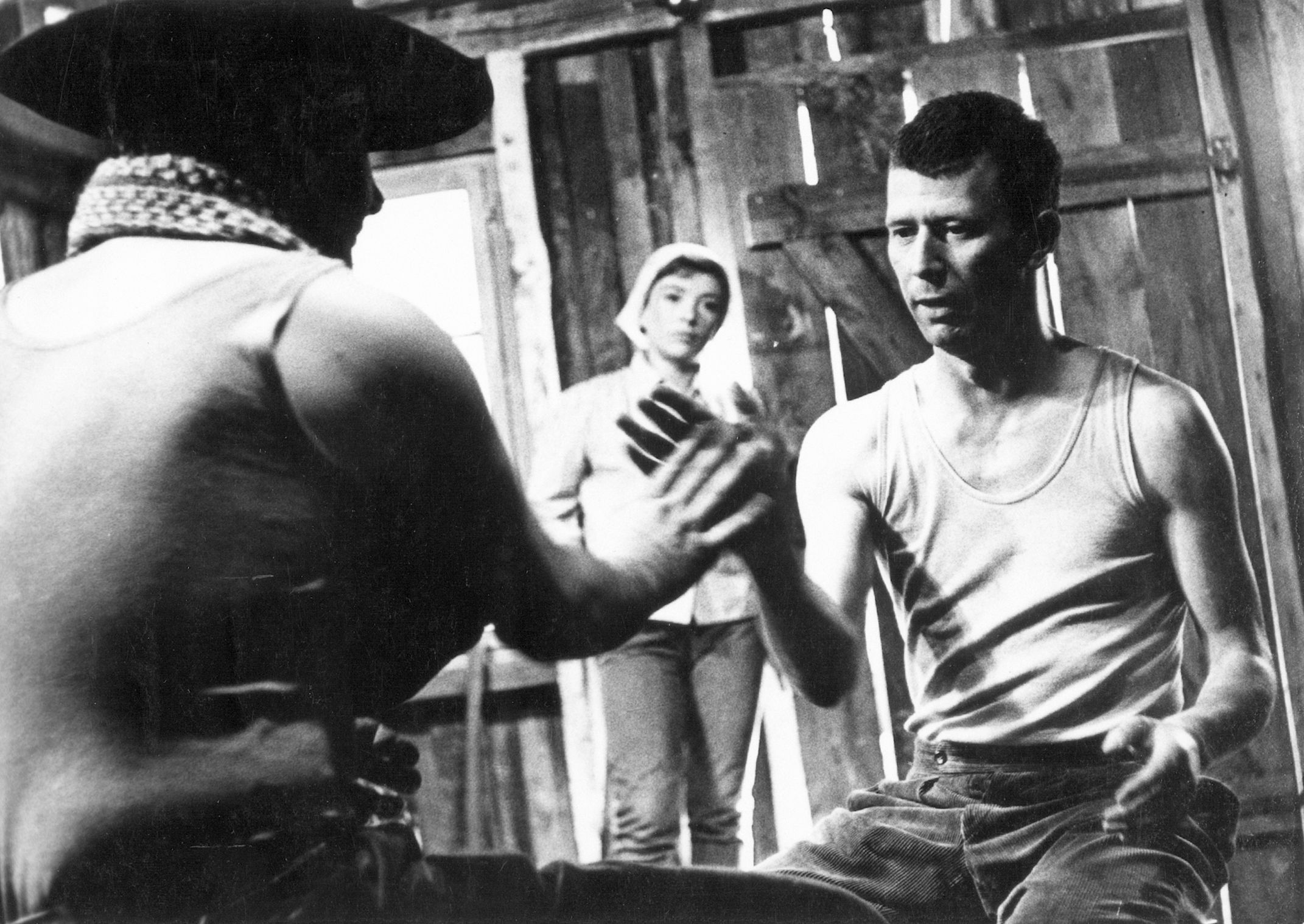
Frank Beyer's Spur der Steine (Trace of Stones) is one of the most important, but also one of the most controversial films produced by DEFA. It tells the story of the headstrong foreman Hannes Balla (Manfred Krug), who uses unconventional methods to manage a large construction site and is at loggerheads with the authorities. The arrival of the young party secretary Kati Klee and the engineer Werner Horrath causes unrest in the well-established structure, not only professionally but also privately. A field of tension arises between the three characters, involving power, morality, and personal responsibility.
Based on the novel of the same name by Erik Neutsch, the film tells not only of the construction of a socialist building project, but above all of the clash of different lifestyles, beliefs, and power structures in the GDR of the 1960s. The film criticizes abuses in everyday life in the GDR and presents a complex, realistic view of life that was too realistic for the party leadership. After only a few screenings, Spur der Steine was banned and disappeared into the archives until 1990. Today, it is considered a milestone of GDR cinema: courageous, multi-layered, and timelessly relevant.
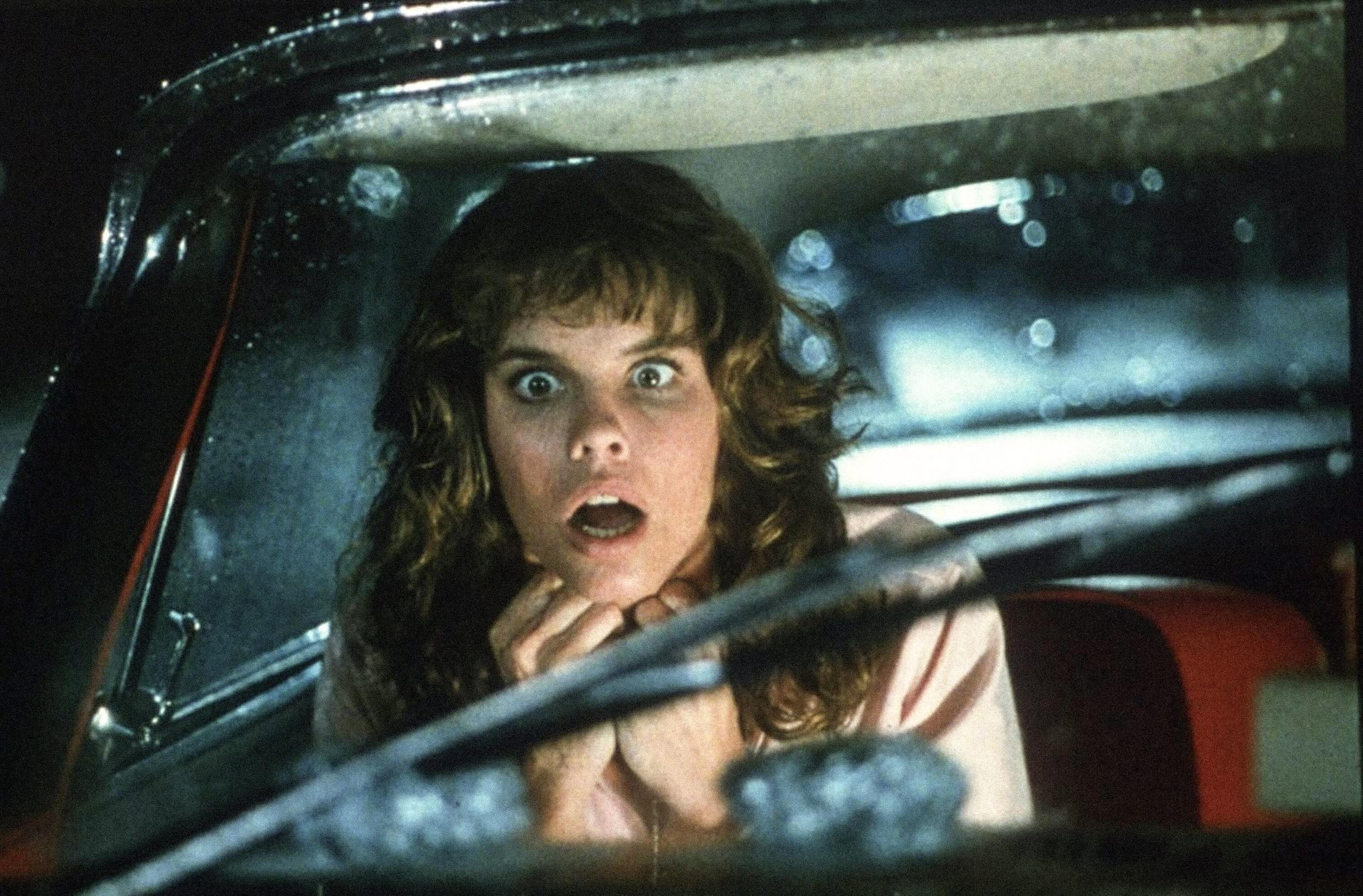
Arnie Cunningham is considered a loser. When he accidentally discovers a sleek 1958 Plymouth Fury that he can't get out of his head, his life begins to take a turn. He buys the car and does everything he can to restore it to its original condition, proudly naming it Christine. When the car is deliberately vandalized one night, Christine comes to life, repairs itself, and takes revenge. No matter how hard you try to destroy it, it keeps coming back to haunt us: the violent return of an icon of US industry in the age of deindustrialization. Anyone who doesn't believe that cars are endowed with power and personality can be convinced otherwise in Christine. Stephen King's novel was published in 1983 and brought to the big screen in the same year: in the best horror film tradition, genre dialectician Carpenter aims to make us fear evil as much as we pity it.
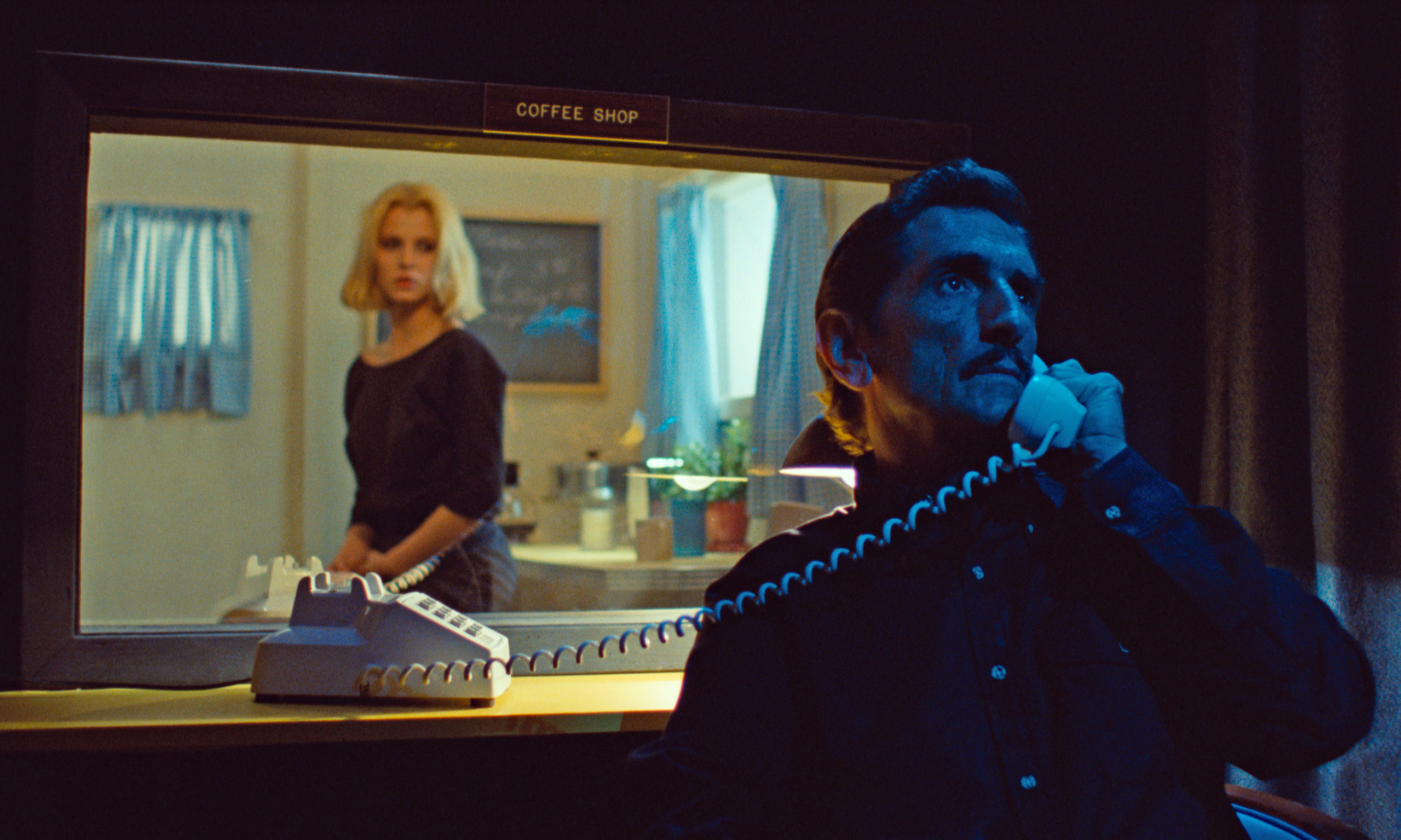
A man crosses a desert, gigantic canyons beside him, his worn snakeskin boots full of holes, his water canister empty. He doesn't know where he comes from, he doesn't know where he's going, he doesn't know if it's just thirst that drives him forward. He collapses in a bar on the border between Mexico and Texas. Here, his estranged brother finds him.
Paris, Texas (1984) tells the story of a man who sets out to find his past. In vivid colors and accompanied by the atmospheric music of Ry Cooder, Wim Wenders' film shows Travis, believed to be dead, on his odyssey through the southwestern United States.
From motels on the edge of civilization to gigantic highways to middle-class life with a view of L.A. - Paris, Texas lets you get to know the USA in all its facets!
The dust has come to stay, you may come by or pass through or whatever
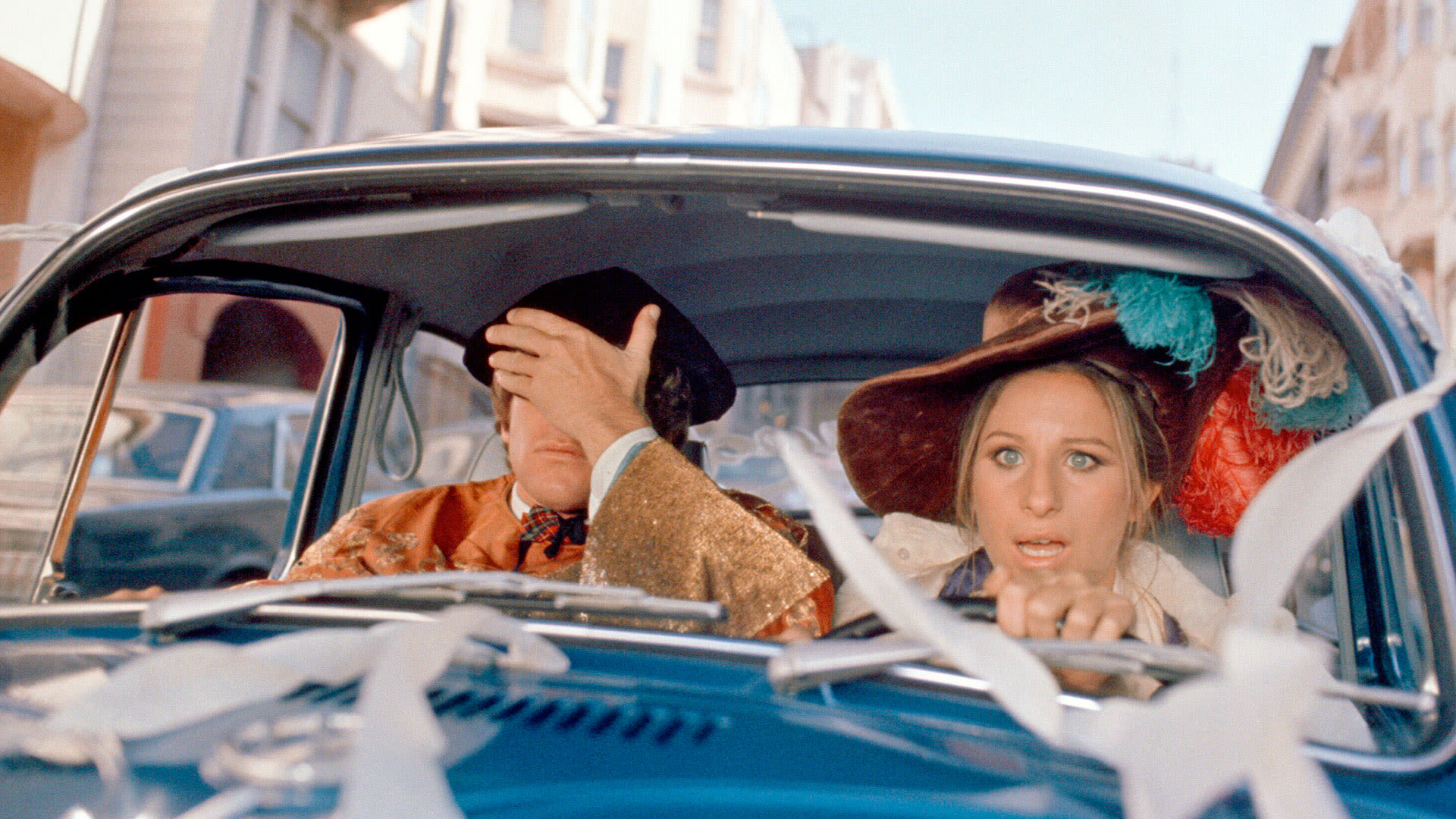
A modest musicologist arrives in San Francisco with nothing but a suitcase full of rocks and a dream of funding his research. A whirlwind named Judy Maxwell crashes into his life and with her, three identical plaid suitcases, each holding a different secret.
What’s Up, Doc? (1972) doesn’t simply pay homage to classic screwball comedies. It lets their spirit loose on the steep hills of San Francisco. Streisand delivers chaos with a wink, O’Neal tries (and fails) to keep his dignity intact, and the city becomes a playground of falling glass, flying luggage, and collapsing pretenses. It's an hour and a half of poised razor-sharp chaos, unfolding like a cartoon and enchanting like a romantic faux pas.
Influenced by Hawks and Capra, but unmistakably informed by the informality of New Hollywood, „What's Up, Doc?“ was one of the best-loved movies of the 1970s. Like a love letter to the past of cinema, it remains comfortably fresh.

Each of Jarmusch's films up to Night on Earth dealt in some way with urban alienation and the possibility of intercultural understanding; a trend that culminates in this episodic film. Five stories, five metropolises, five encounters on one particular night: a taxi ride and the sometimes ludicrous and curious experiences with the drivers and passengers are at the center of the action. It all begins at dusk in Los Angeles, then continues to New York, from there to Paris and Rome, and finally ends in Helsinki at dawn.
We have never stumbled through the night more beautifully than in Jim Jarmusch's melancholic and whimsical big-city ballad! With his usual laconic style, the cult director takes a loving look at seemingly trivial things and draws eccentric characters. A gem of American independent cinema, accompanied by Tom Waits' brilliant soundtrack.
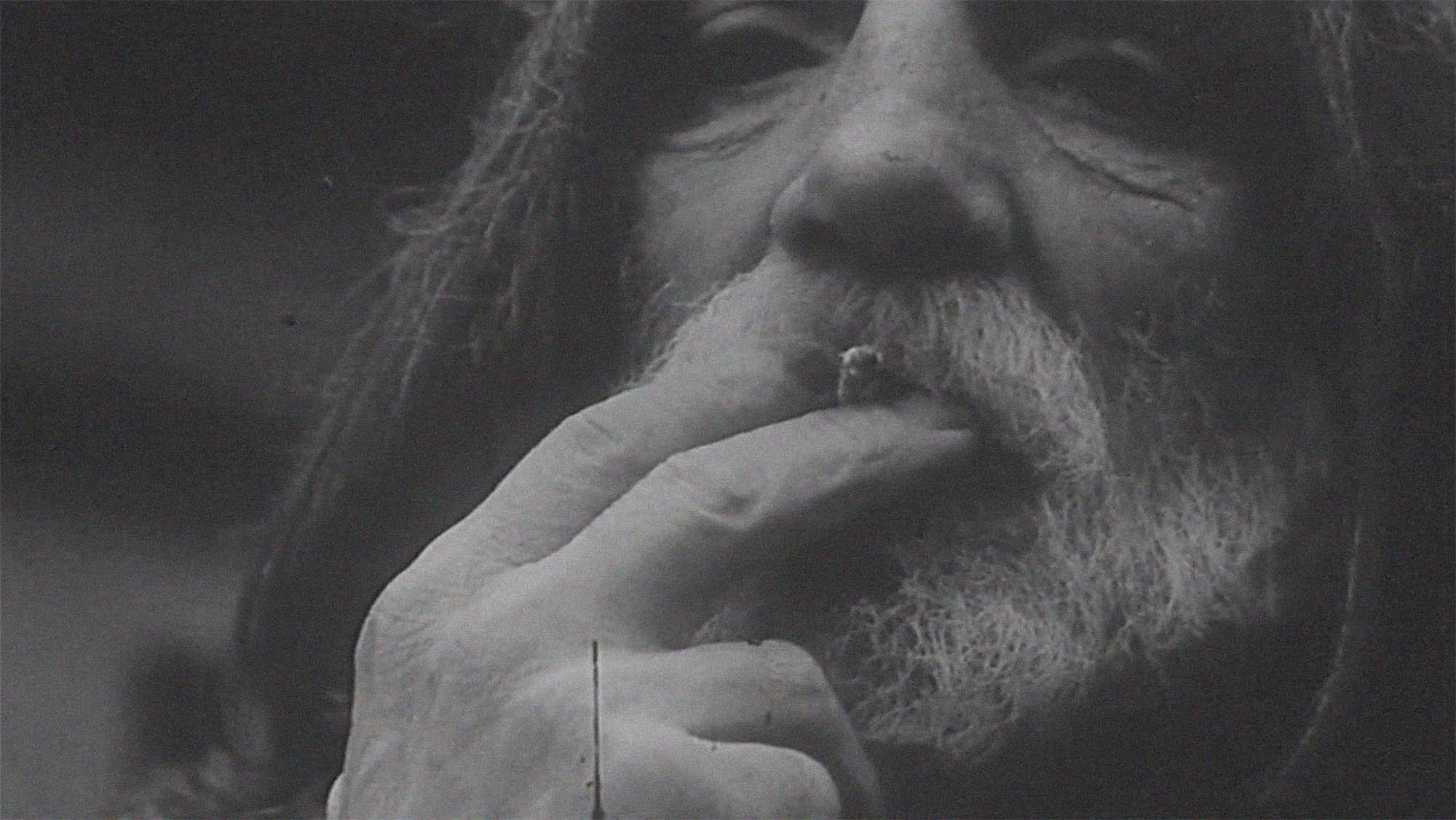
Laura Morcillo focuses her observations on Werderplatz, watching as goods change hands for money and the losers of the big system sit around the marketplace, under the suspicious gaze of the marketplace guards.
The film was made in 2010 as part of Thomas Heise's series of observations, which was designed to train the observational eye as an introduction to documentary film studies. It was shot over a longer period of time at the well-known Werderplatz in Karlsruhe's Südstadt district. In 2014, four years later, Laura Morcillo returns to Werderplatz in her short film Lettre de Werderplatz.
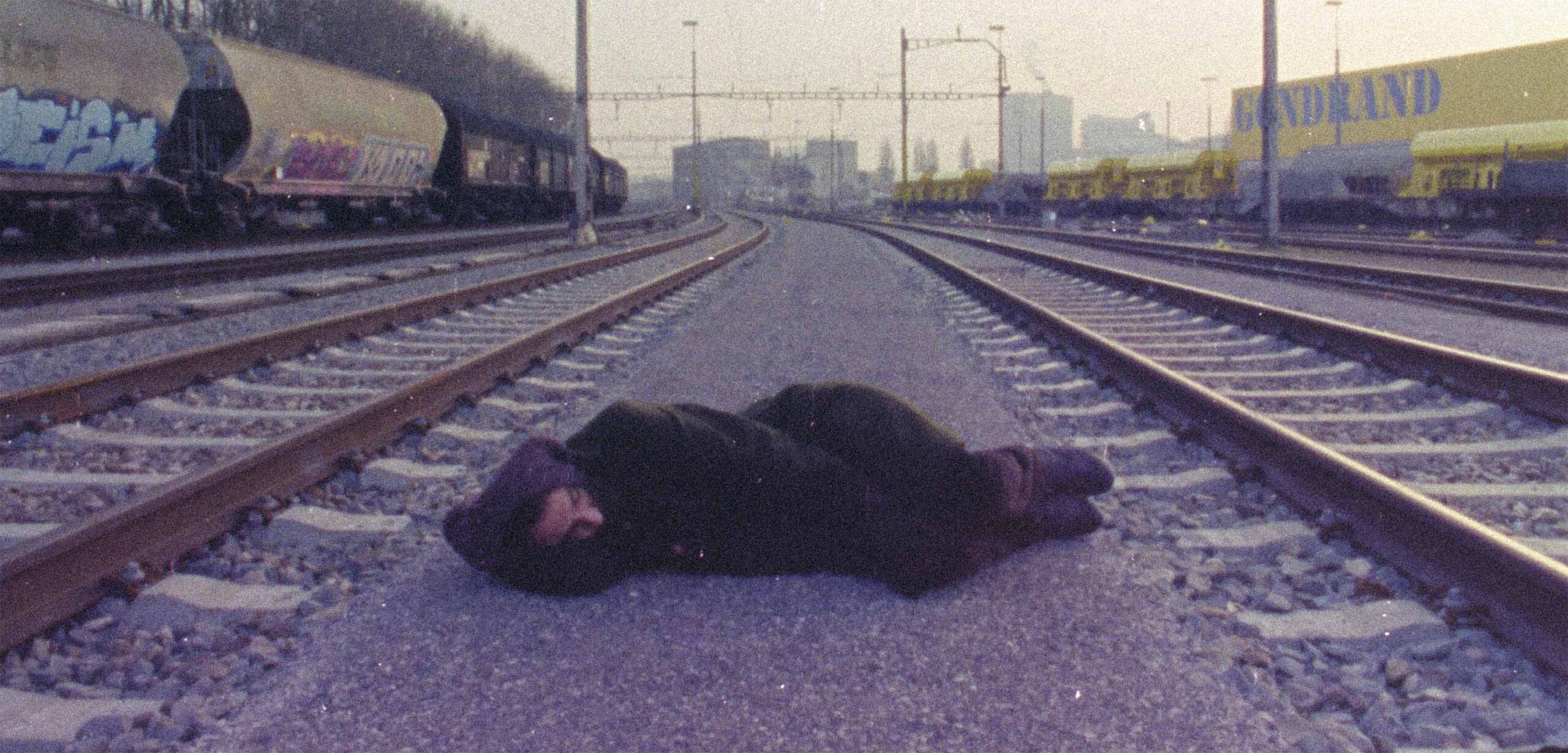
In the heart of Europe: an apartment without a door lock. It is the domain of Coz, who now lives in Switzerland after fleeing Turkey. In this portrait, he tells his story. Of being locked up, of being excluded, and of how the doors and locks in his mind have lost their meaning.
“Coz” is the nickname of Yusuf Bayraktar. The filmmaker and his protagonist met many years ago while Bayraktar was studying physics at Istanbul University. Coz was sentenced to 13 years in prison at the time for participating in a peaceful demonstration against Turkish higher education policy. Since 2009, he has been living in Basel on political asylum, where he keeps his head above water with odd jobs and social welfare and dreams a lot. With his film, Büyükcoşkun shows a fate that is not an individual one.
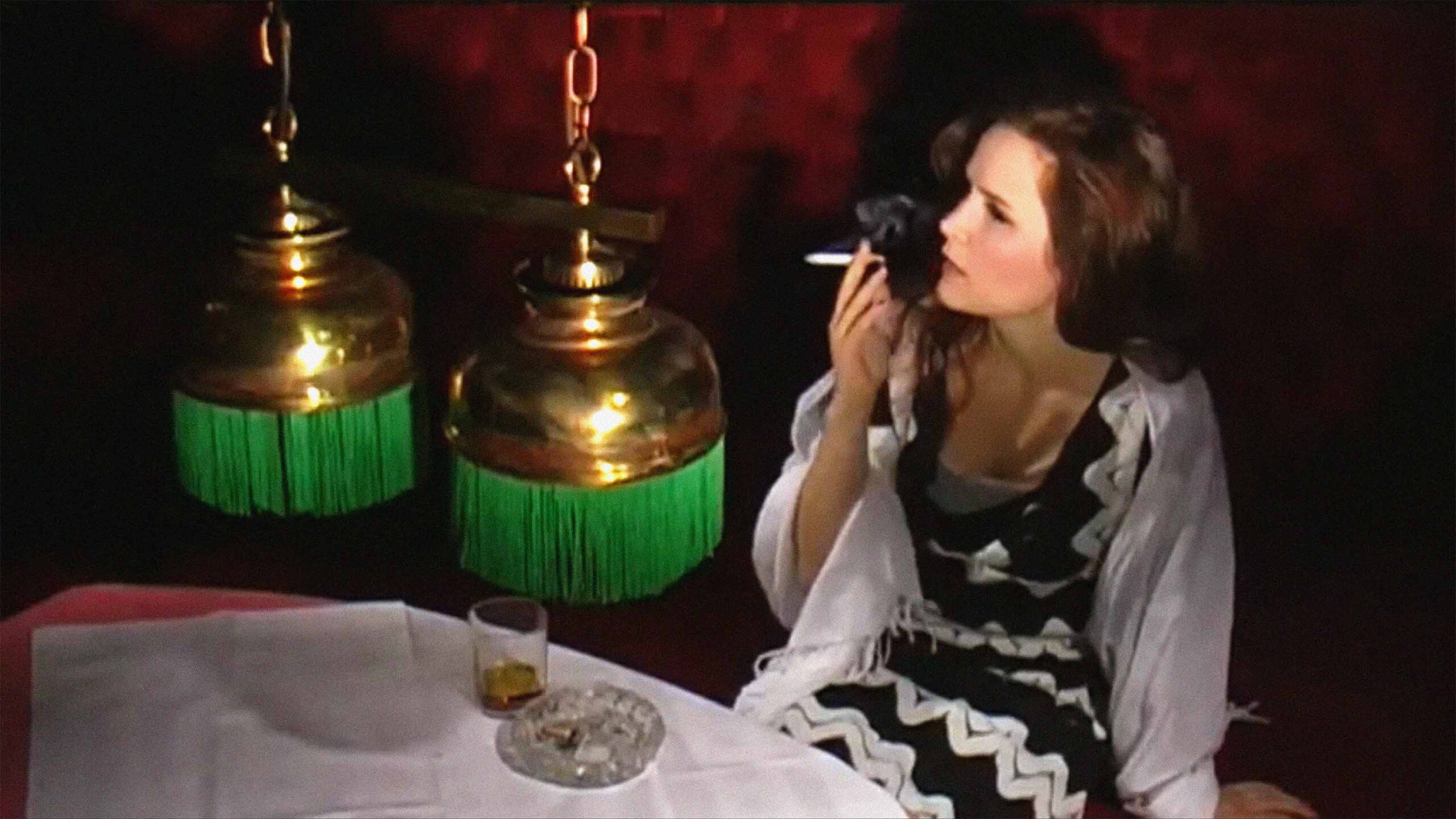
The killer with the Polaroid is on the loose in Karlsruhe. The atmosphere is tense, nerves are on edge. No one trusts anyone here; everyone is a suspect. Only one thing is certain: he will strike again.
Rarely seen in the film archive: action, murder, stolen film music. Samuel Israel captivates in his preliminary diploma with an entertaining mixture of Helge Schneider and Dario Argento. The film is an homage to the Italian giallo films of the 1970s and so fresh that you can almost smell the pub air: a one-man team, half a day of shooting, post-production in the evening, one day before the preliminary diploma deadline. That's roughly how Samuel described it to us. You can see all of this in the film, and we like it very much.