

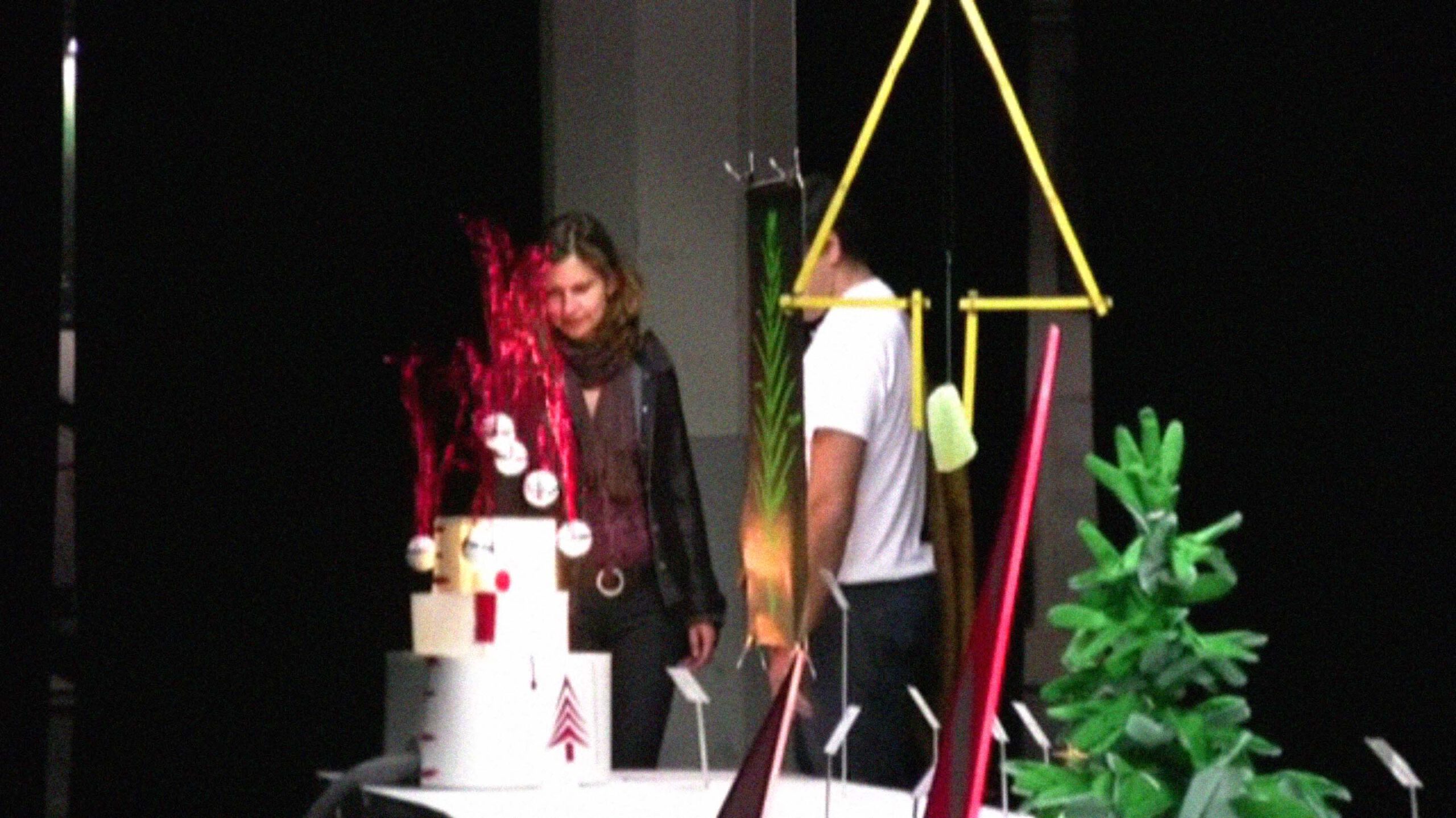
 Oh TannenbaumHfG Karlsruhe Germany, 2008
Christmas in 2008: At the cult exhibition “Oh Tannenbaum,” there were Christmas trees galore, but no curatorial committee: Whatever was delivered was exhibited, as long as it was a Christmas tree. Oh, how joyful.
The cult Christmas exhibition has been around since 2004. Originally started as an internal joke, the student project developed over the years into a national art sensation. For one week (the week before Christmas), anyone could exhibit, whether professor, student, or staff member. In 2013, it was over for the Christmas tree. We think it's a pretty cool thing, and it might be worth thinking about again.More Info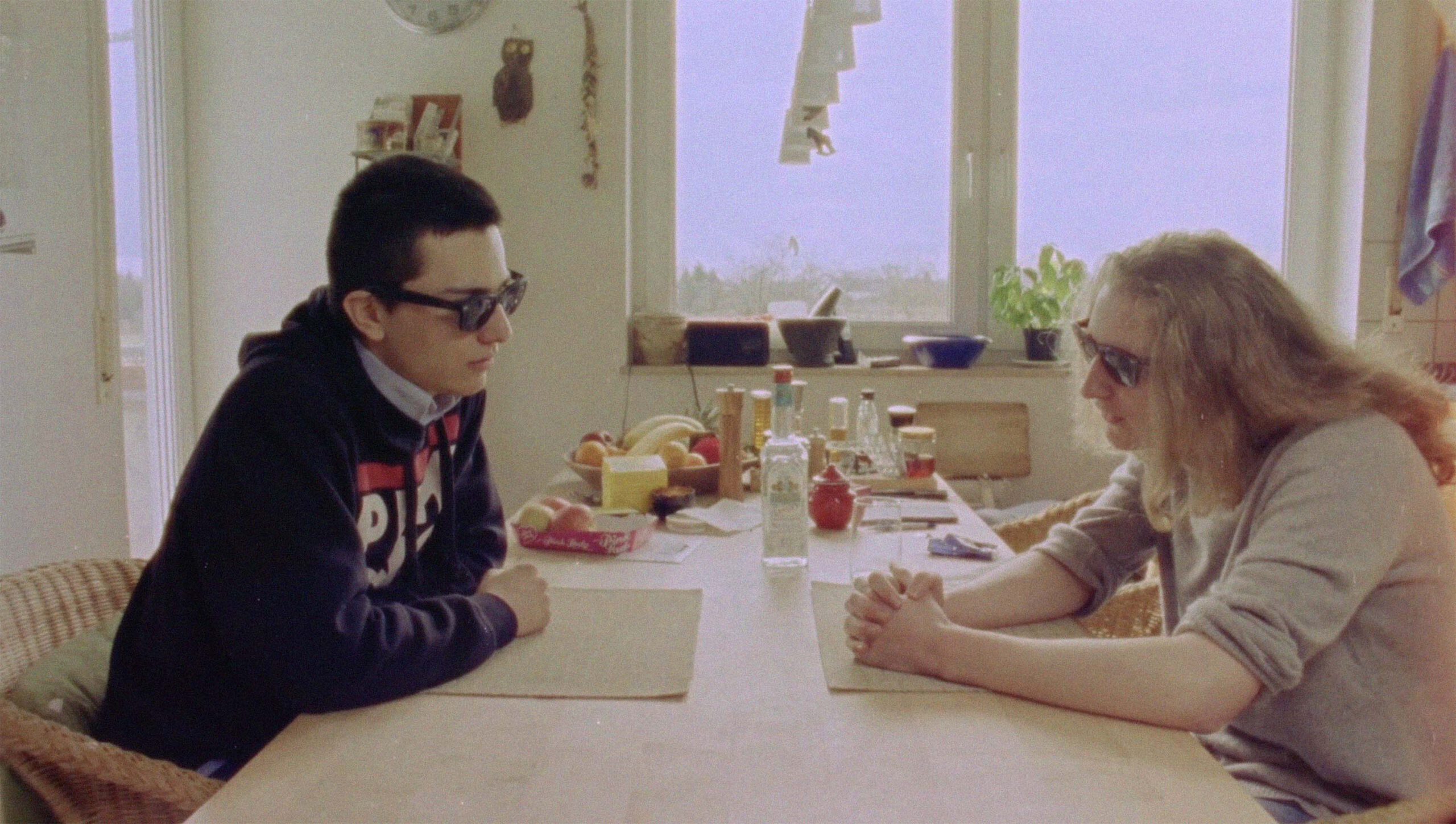 Der WalFinn Baygan Germany, 2017
Über einem Feld taucht ein Wal auf und spricht zu einem jungen Mann: Bald ist es aus mit der Menschheit und er solle die Botschaft bitte unters Volk bringen. Gut, dass es Youtube gibt! Wenn da nicht die Besserwisser mit besserer Auflösung und besserem Mikro wären und mal wieder alles besser wissen…
Bei diesem Film handelt es sich um Finns Erstlingswerk – er war 20 Jahre alt. Entstanden im 16mm-Seminar von Razvan Radulescu, analog und digital gefilmt, wild gemixt, krasse Grafiken, ein großartiger Alexander Thelen in Bestform und in einer Paraderolle als Youtube-Prediger. Dazu noch Morphing-Effekte, echte Hunde, falsche Wale, ein verpeilter Mitbewohner, Sonnenbrillen, knallharte Action, und ein wenig Gesellschaftskritik. Trash-Kino-Herz was willst du mehr? Daumen hoch!More Info Ciao, amore!Rebekka Scheib Germany, 2020
A loving portrait and intimate diary entry. A gently tentative film about one's own memories, childhood, and the confrontation with death as an unforeseen factor in planning security.
A seminar on diary films by Serpil Turhan deals with an intimate subject and is the beginning of many very personal films by HfG students. Processing potential also unfolds in this example of HfG diary films from 2020 by Rebekka Scheib. We are drawn into a whirlpool of memories, childhood days, insights that life throws at us, or that we throw at ourselves – in remembering.More Info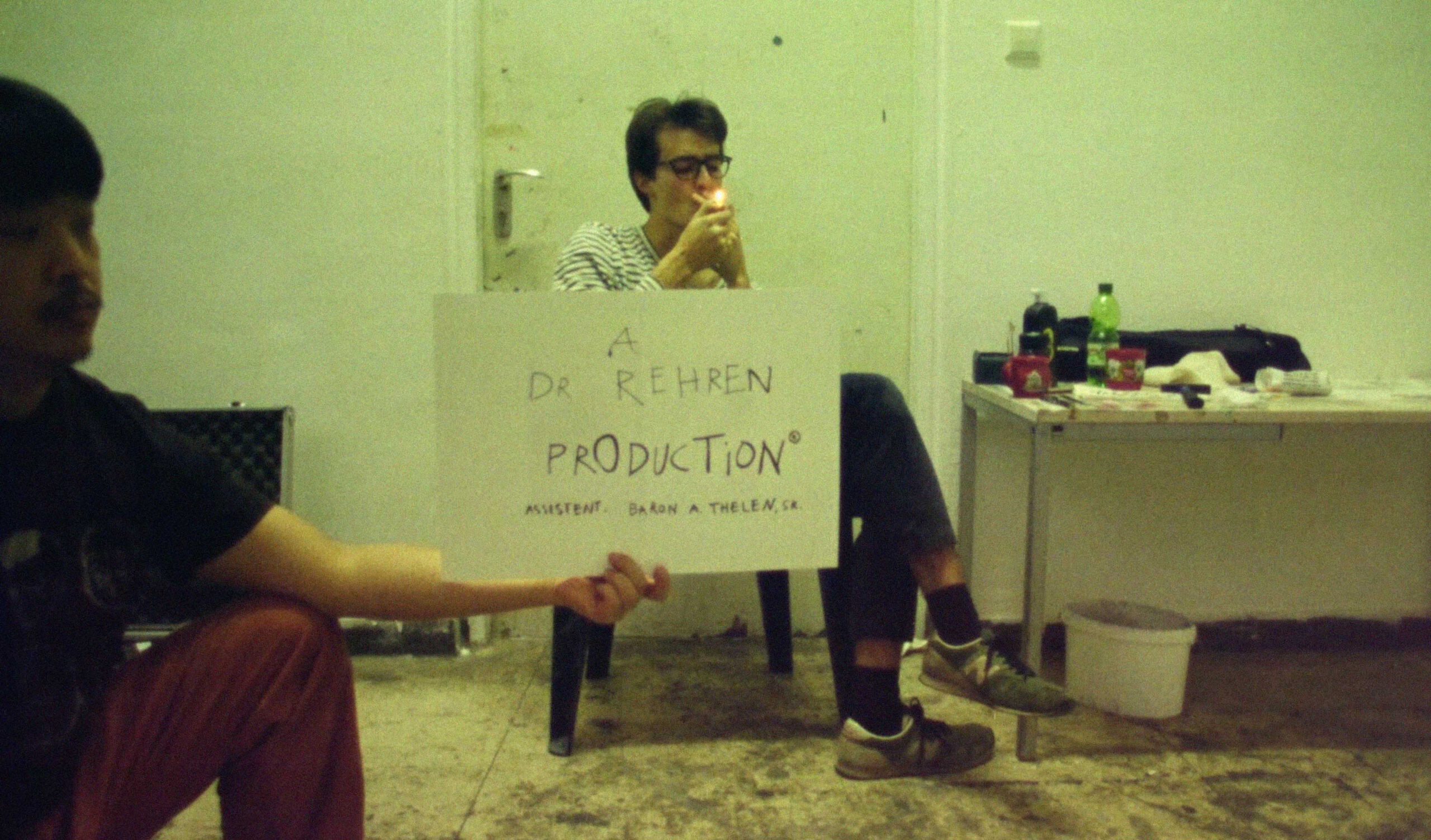 AkademieJonas Rehren Germany, 2017
For those wondering whether the HfG really is an art college, and how you can tell, here is a film that portrays a real art academy, with real dirt, paint, smoking, and everything else that goes with it!
Jonas Rehren, an “Aka” student, spent several years of his studies at the HfG's Design Exile studying film. He returned to the academy for a 16mm course with Răzvan Rădulescu to portray three fellow students at work. In quiet observations, we see how very different materials are processed. We would like to take this opportunity to thank Jonas for his contribution to better cooperation and understanding between the art academies in Karlsruhe.More Info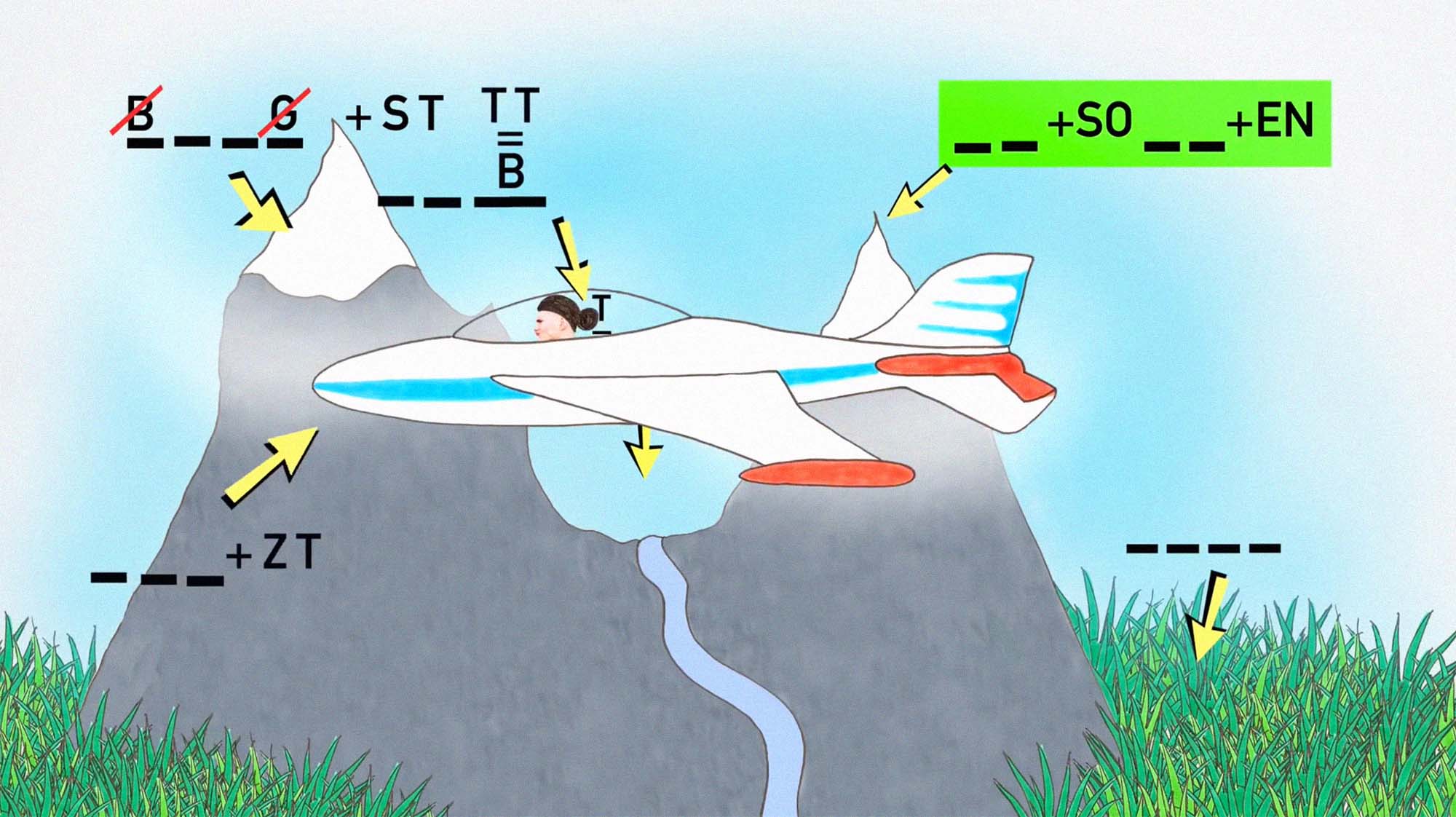 Rainer von Vielen – Kein ZurückEva Hartmann Germany, 2010
Brilliant music video for Rainer von Vielen's song Kein Zurück.
A collection of picture puzzles that races past you at high speed – you'd actually have to keep pausing the video to appreciate all the puzzles.More Info Ono No KochamiMascha Dilger Germany, 2020
Mascha Dilger’s Ono No Kochami is a cinematic interpretation of the poem of the same name by Clara Sondermann. This contemporary poem explores relationships and family, as well as their transience, and serves as a tribute to the ancient Japanese poetess Ono No Komachi, who lived and worked as a court poet during the Heian period around 830 AD. The film was also created for Stephan Krass’s Poetry Film Seminar.
More Info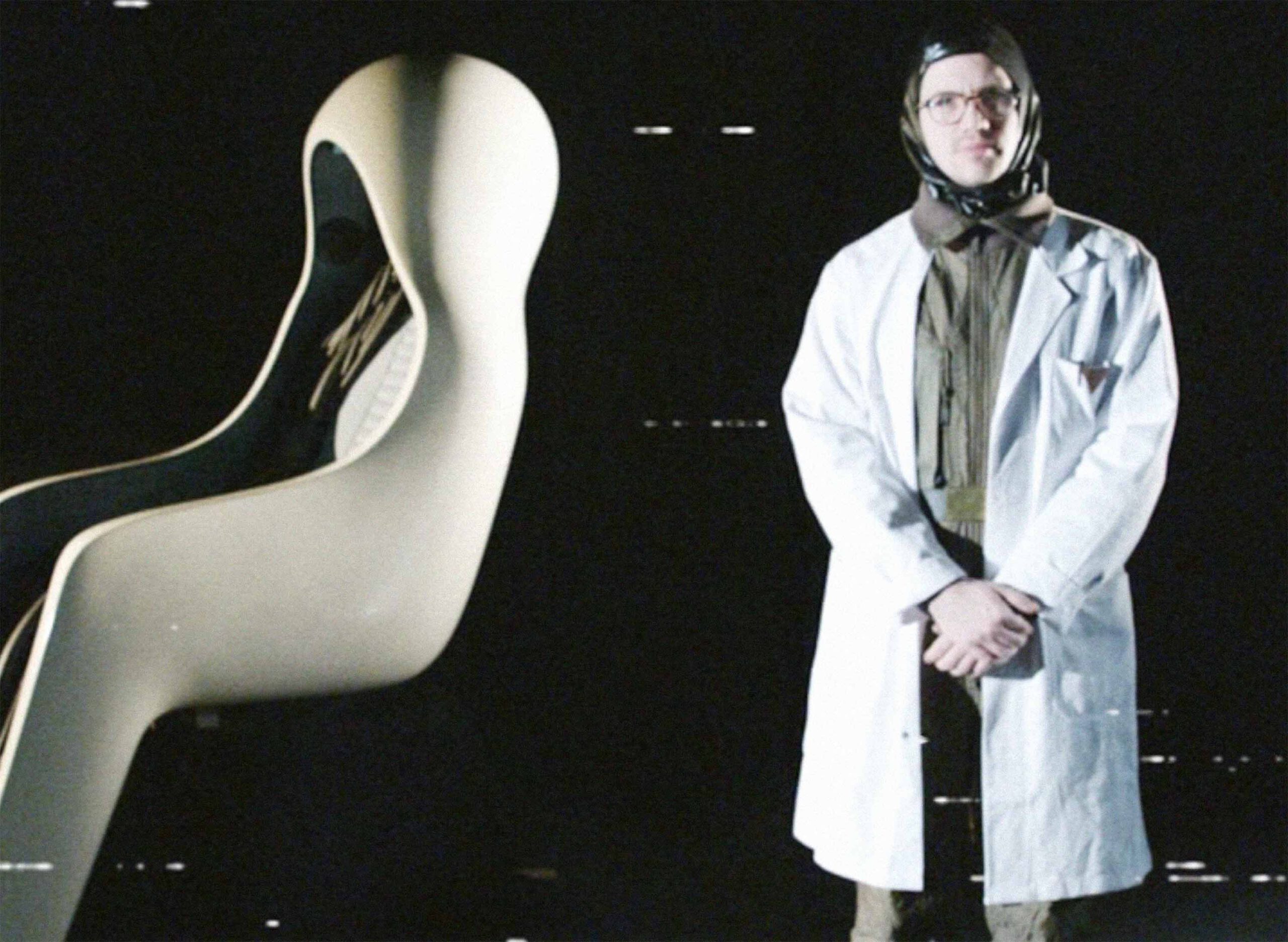 Fortschritt RevueMax Lange Germany, 2015
Max Lange as the likeable Dr. Braunhardt Werner, narrator of an outdated advertising film promoting a cryogenic sleep chamber. With it, you can finally live for 1,000 years and launch into outer space!
We appreciate all kinds of trash! Why? That's a question that can't be answered here. For egalitarian reasons alone, it's important to mention it here. Max Lange's film is part of his diploma project, the radio play “Die Sternensaat” (The Star Seed), in which different forms of utopian promises of salvation from the 19th and 20th centuries come together, with an emphasis on the motif of outer space. Here it is again in the form of a fictional advertising video and trailer.More Info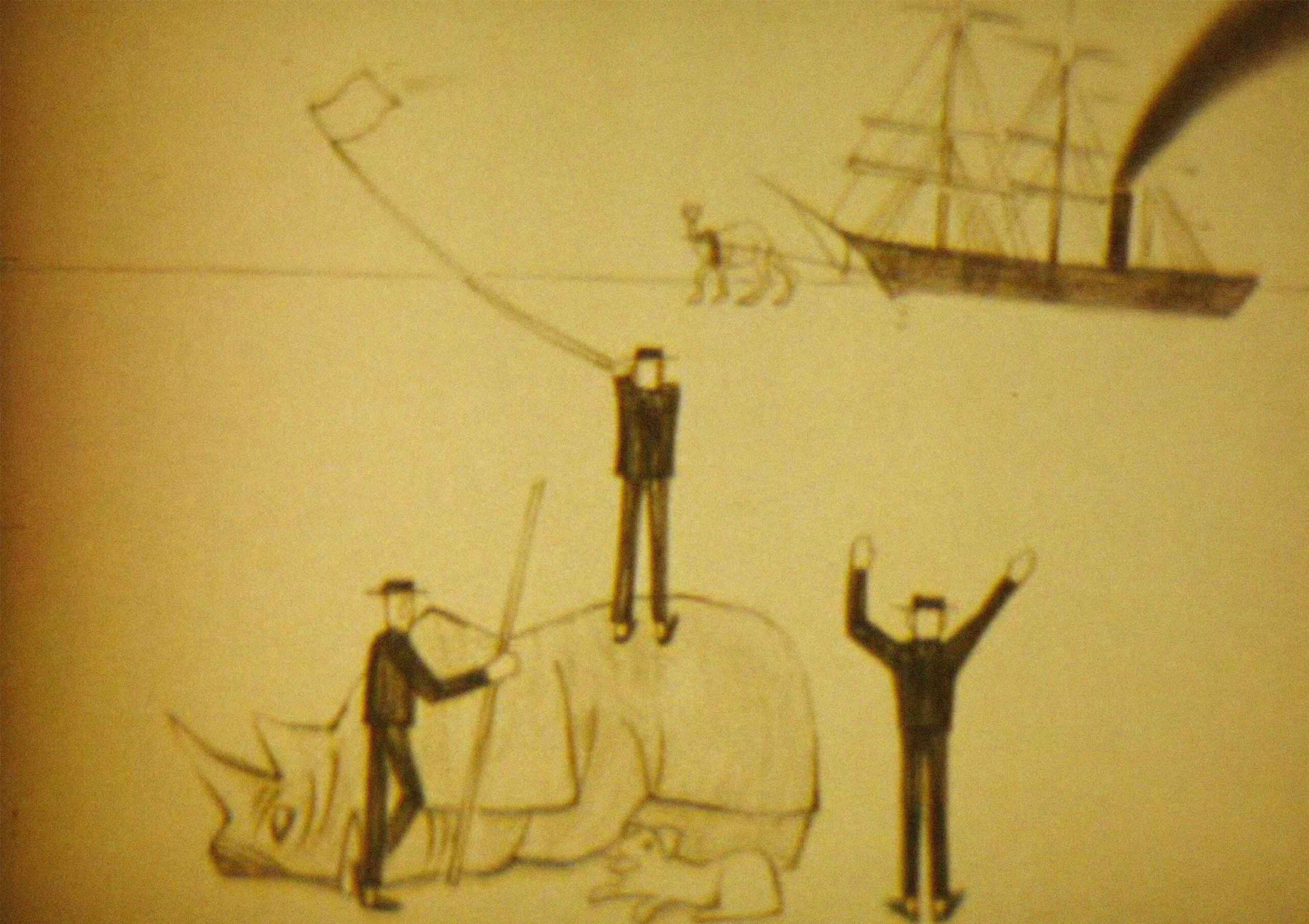 Antarktis IJules Wüest Germany, 1997
Antarctica. Three characters have killed a rhinoceros and are loading it onto their ship. The ship is too heavy and breaks through the ice. A Roman comes by. An airplane begins a nosedive. The tension is almost unbearable...
In just two minutes, Jules Wüest builds suspense that rivals any Hitchcock thriller. A classic old-school animated film—individual drawings come together on the animation table and are brought to life. What the film's message ultimately is remains unclear. And whether there will be a part II also remains unclear...More Info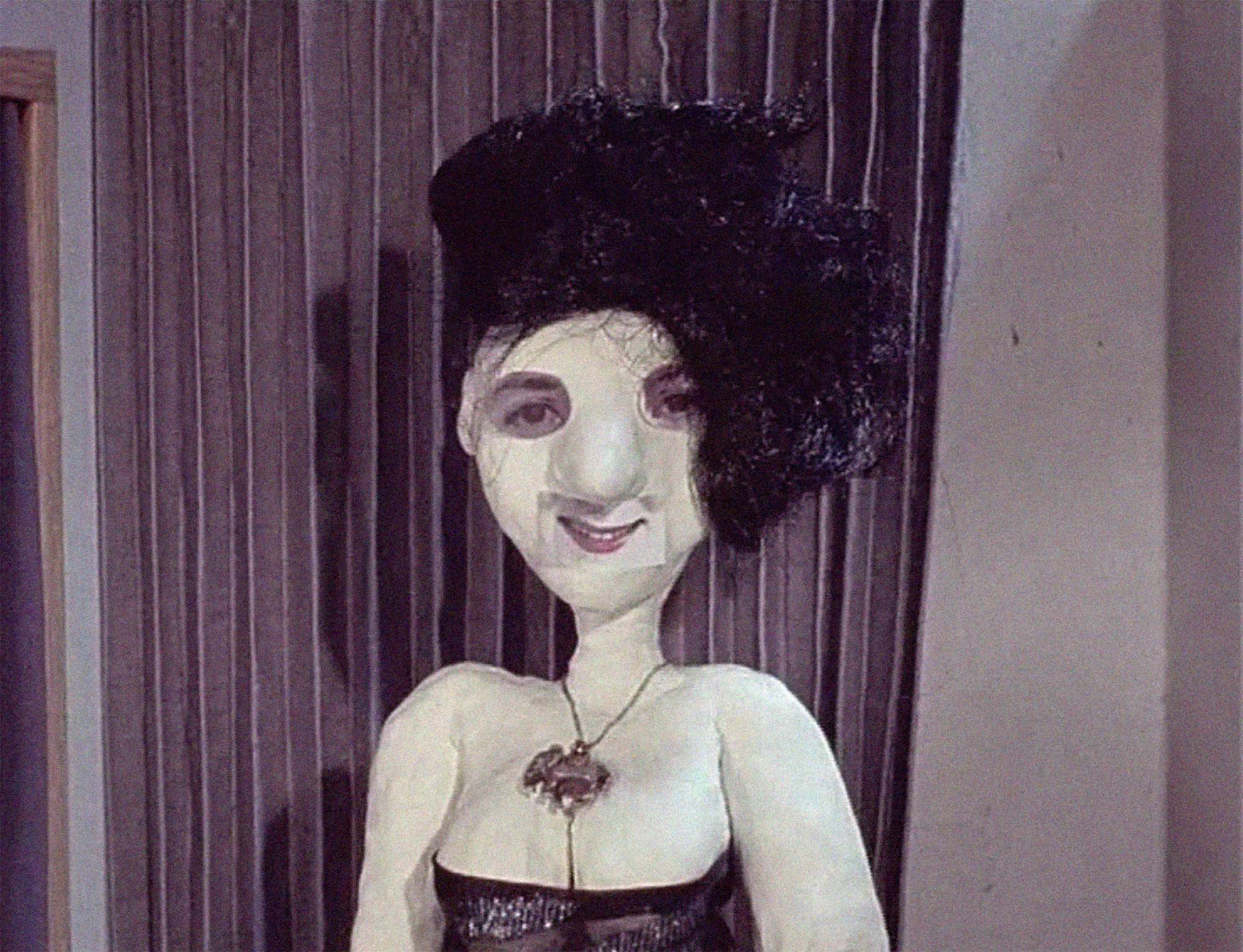 Schauen Sie auf das kleine VögelchenAnna Kalus Germany, 1998
A desperate young woman in a photo booth ruins one picture after another.
Look at the little bird by Anna Kalus deals with its own production process in an absurdly comical way, constantly reinventing itself. The montage is negated by the dismantling of its idea.More Info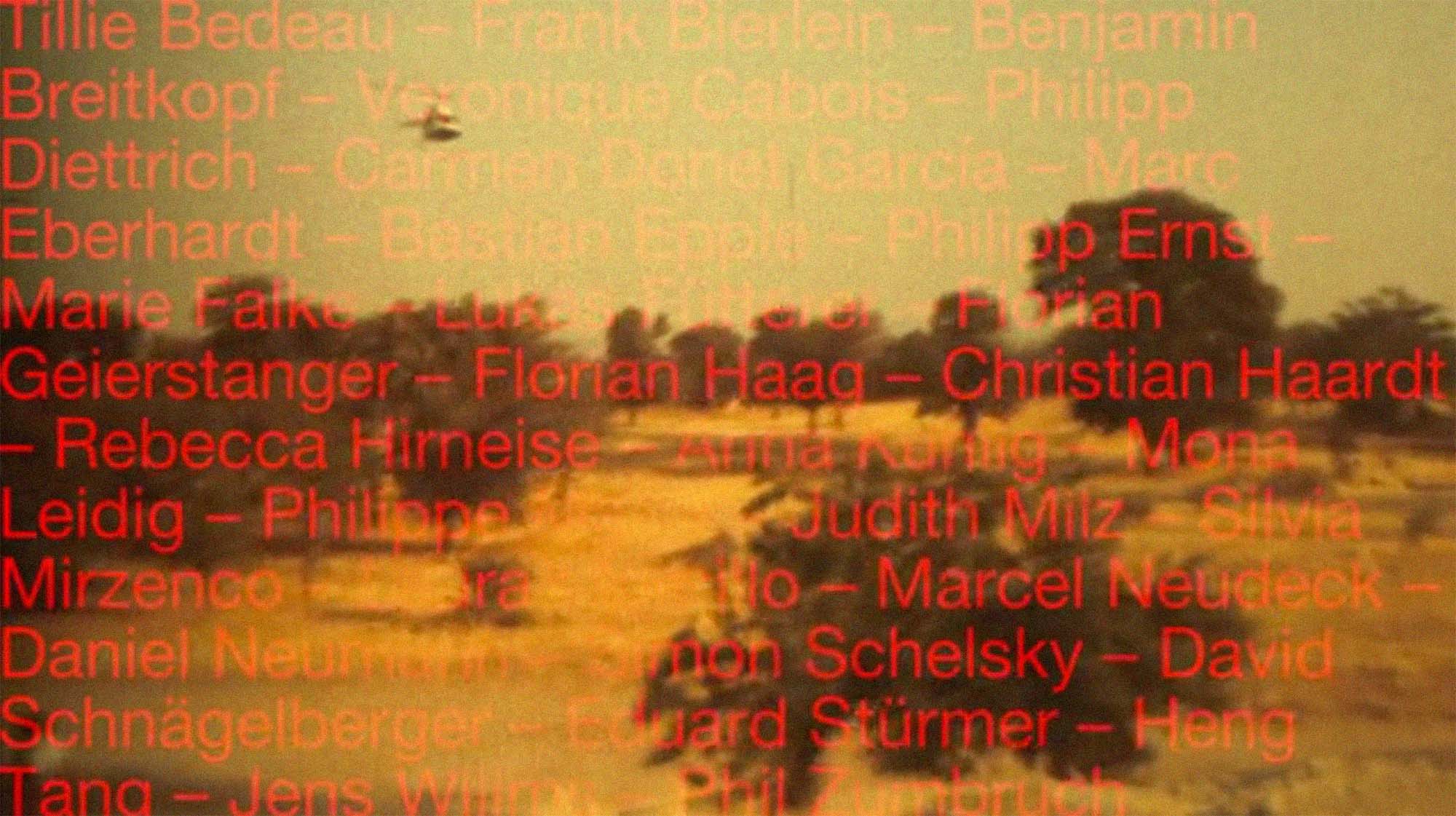 Filmforum TrailerFlorian Geierstanger Germany, 2013
A unique historical document – the trailer for the films of the 2013 annual exhibition of the Karlsruhe University of Arts and Design! A list of well-known and lesser-known names and a helicopter – that's all a good trailer needs!
The Filmforum met regularly in the Blue Salon to show each other their own films – film as a meeting place, as an opportunity for exchange and interaction. This trailer still bears witness to that, but it's not completely over yet. In March 2021, there was the Film.Forum Festival, where four films from the past were presented and discussed once again, and in 2022 there will be another edition to mark the university's 30th anniversary – so we can look forward to more!More Info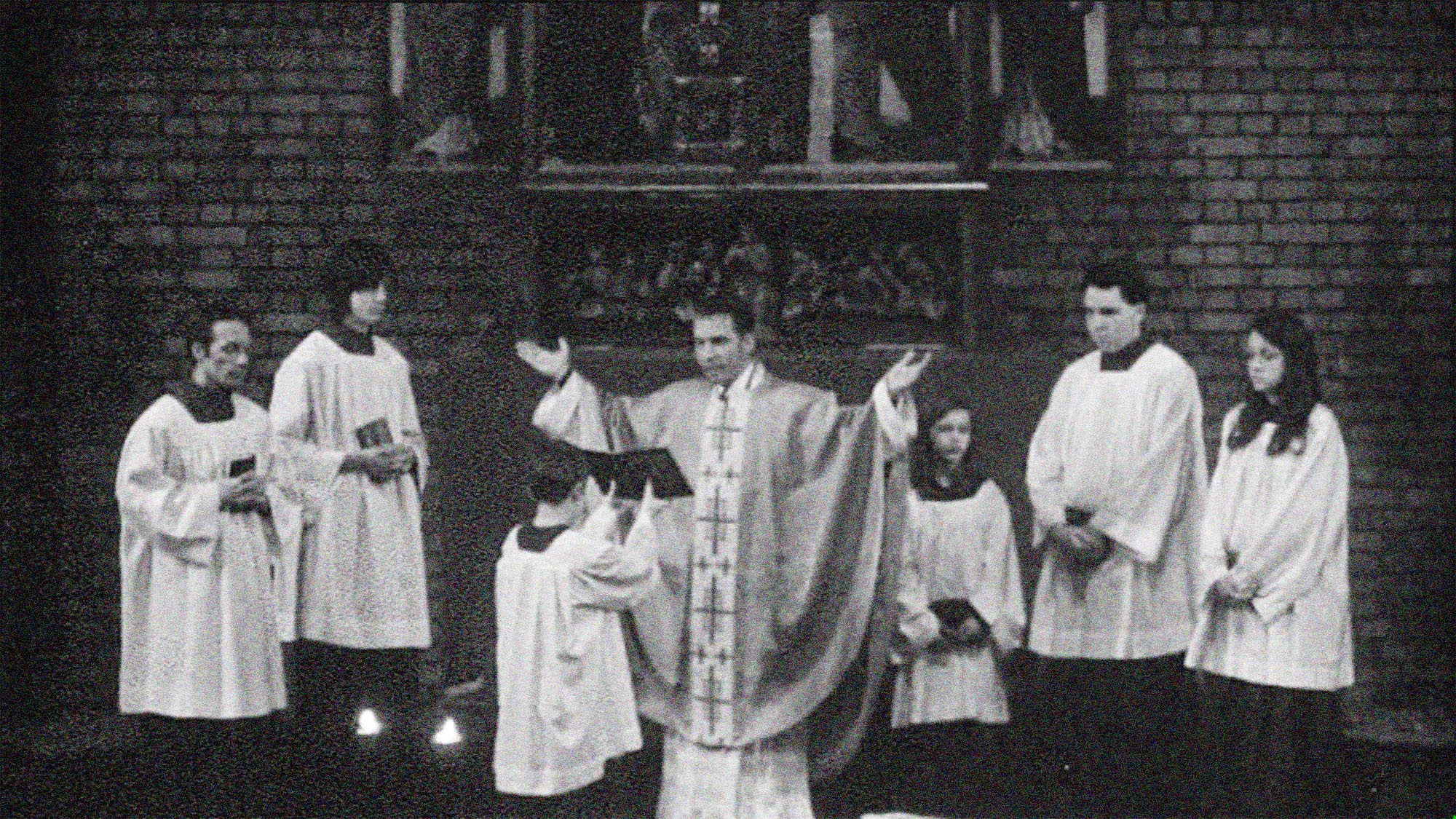 SonntagsRobert Hamacher Germany, 2010
On Sundays in church, communion is distributed, the organ is played, and hymns are sung. A classic Heise observation.
Since 2009, the so-called “observations” have been created at the HfG. Professor Thomas Heise introduced this exercise, in which two formal guidelines shaped the films: each participant was assigned a roll of 16mm film (approx. 11 minutes) and had to observe something. No sound was recorded, and the films were developed by hand in a chemistry bucket. This film comes from the third series of observations.More Info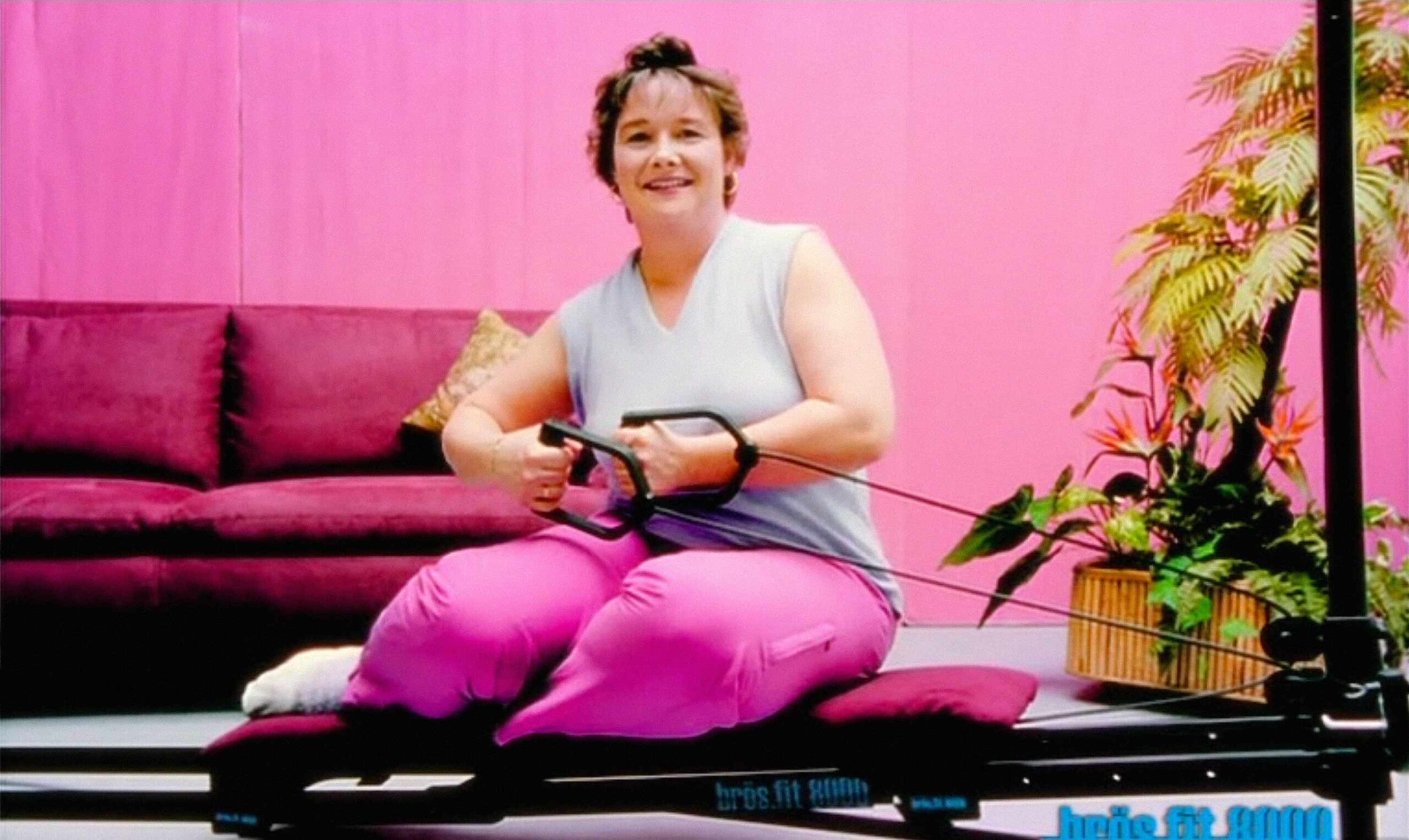 Märtini Brös – Dance Like it is OKAnna Karina Birkenstock Germany, 2002
Here is a very successful music video from HfG history. Rotated on VIVA, MTV, etc. According to the professors' verdict (see trailer), the industry is being fought with its own weapons. Consumer criticism as a Trojan horse with a six-pack – but it works surprisingly well...
How do you make someone realize that what they are watching is bullshit? According to the verdict of our panel of experts (see trailer) in the film review, we are witnessing social criticism in which the industry is being beaten with its own weapons. Or perhaps this production was successful because it shows what we all want to see when we watch MTV. Spookily contrasting claims – as always, the truth probably lies somewhere in the middle.More Info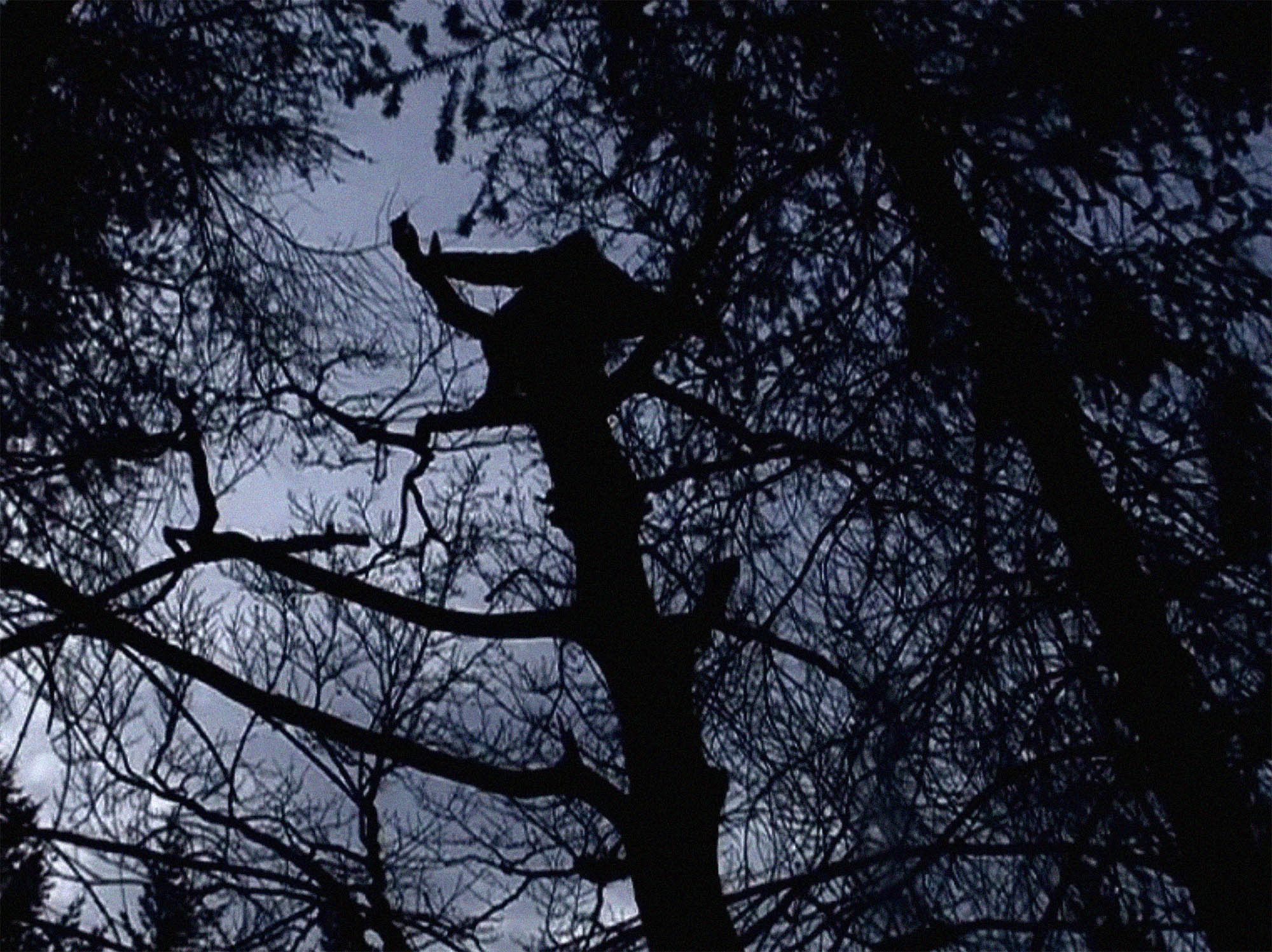 Der schöne 27. SeptemberDavid Loscher Germany, 2008
The poet, sitting on the highest treetop, reflects on the unaccomplished tasks of the day on September 27...
HfG alumnus David Loscher recites Thomas Brasch's poem Der schöne 27. September (The Beautiful September 27) while sitting in a tree. In a single 4-minute long take, a person, the artist, emerges from the gnarled silhouettes. He looks through the treetops into the cool Karlsruhe evening, recites his poem, and climbs back down to earth.More Info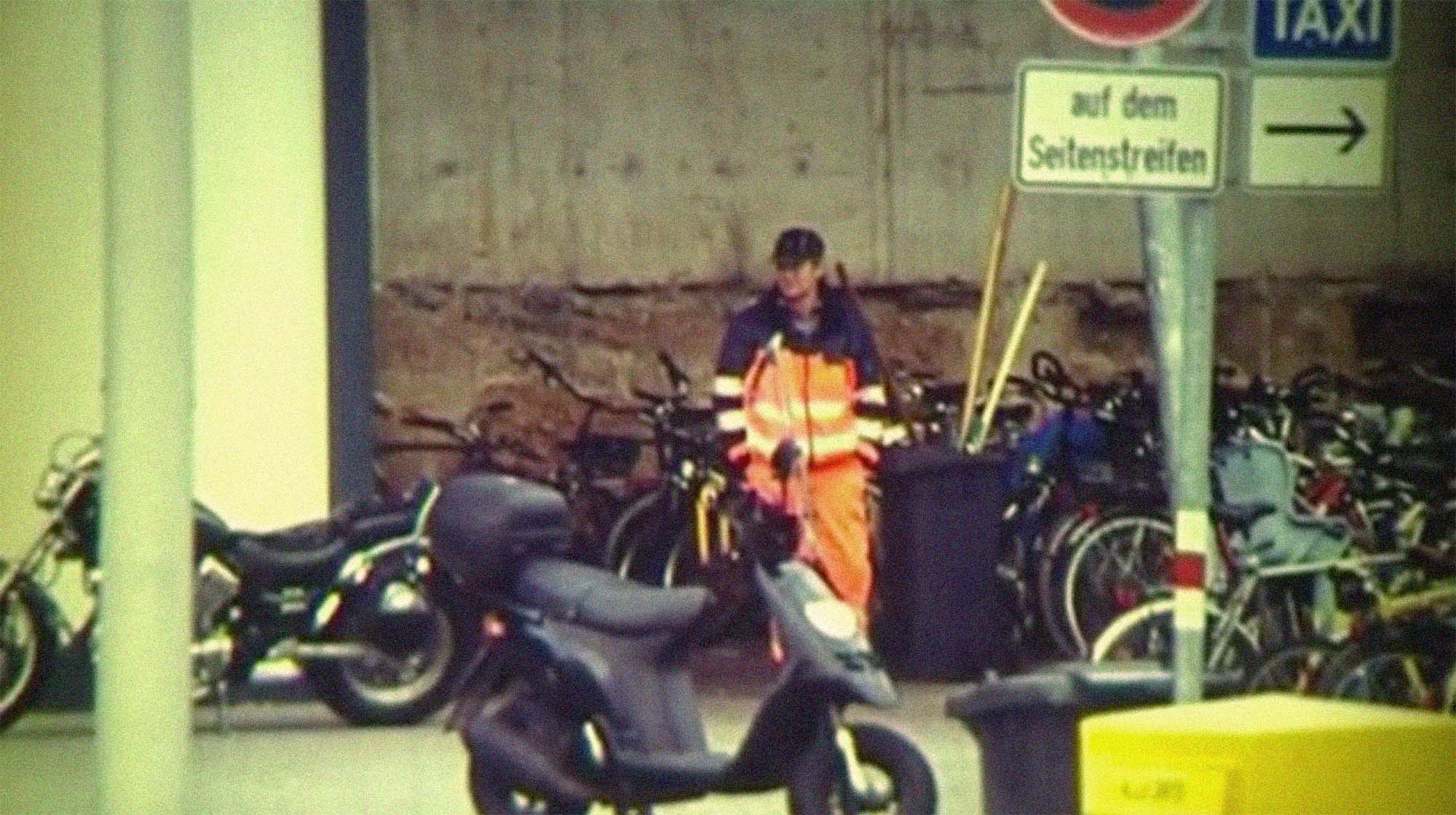 Südausgang HauptbahnhofEva Hartmann Germany, 2008
This camera exercise captures a portrait of the south exit of Karlsruhe Central Station. Almost 20 years later, it is all the more valuable, as all that can be seen there now are the glass facades of 1&1.
A small piece of city history: in Eva Hartmann's observation of the south exit of the main station, we see the now completely built-up rear exit of Karlsruhe's main station and follow the street sweepers at the old bus station. The film was part of a camera exercise with cinematographer Jutta Tränkle, who was invited by Thomas Heise. All films were shot in color and 16mm at the time, and the sound was added in a sound editing seminar.More Info Zweite Beobachtung: FriseurConstantin Nestor Germany, 2009
In Constantin Nestor's observation, everything is colored and cut to the max. Wash, lay out—and hopefully it will be pleasing in the end.
Since 2009, the so-called “observations” have been created at the HfG. Professor Thomas Heise introduced this exercise, in which two formal requirements shaped the films: each participant was assigned a roll of 16mm film (approx. 11 minutes) and had to observe something. No sound was recorded and the films were developed by hand in a chemical bucket. This film comes from the third series of observations.More Info Legnica 2000Oliver Karl Boeg Germany, 2000
A man is sitting at a long table, waiting. We’d love to know what for. But something is brewing. Something is coming towards him, getting closer and closer; it giggles and squeaks, wobbles – there are more and more of them – they round the corner, sweeping passers-by along with them, and then: “FLATSCH”! It was found on the DVD “HfG Trash Filme” and, in our editorial opinion, was quite rightly included in this collection.
More Info Ohne TitelEva Teppe Germany, 2002
Lost and rediscovered Super 8 footage from the World Trade Center. A cautious approach to appropriation.
Eva Teppe's Untitled was released on the DVD series “HfG-Filme 2001-2003,” edited by Didi Danquart and Boris Michalski. In addition to the collected films, there was also a short discussion between Boris Michalski, Didi Danquart, Bernd Schoch, and Nico Hain (then students) about each of the films. Over wine and candlelight. A format that definitely needs to be revived!More Info LyricsHendrik Vogel Germany, 2008
An audiovisual experience – actually an audio piece. A poetry film without poetry – is that possible?
What is poetic? What is poetry? – A question that played an important role for Hendrick Vogel during his exploration and work on the film. Does it have to be a poem? Which images are poetic? In this film, Lyrics, a film quote from the film Ghosts, discovered in the music of a Swiss artist (Kalabrese – Cityblues), served as a poetic element.More Info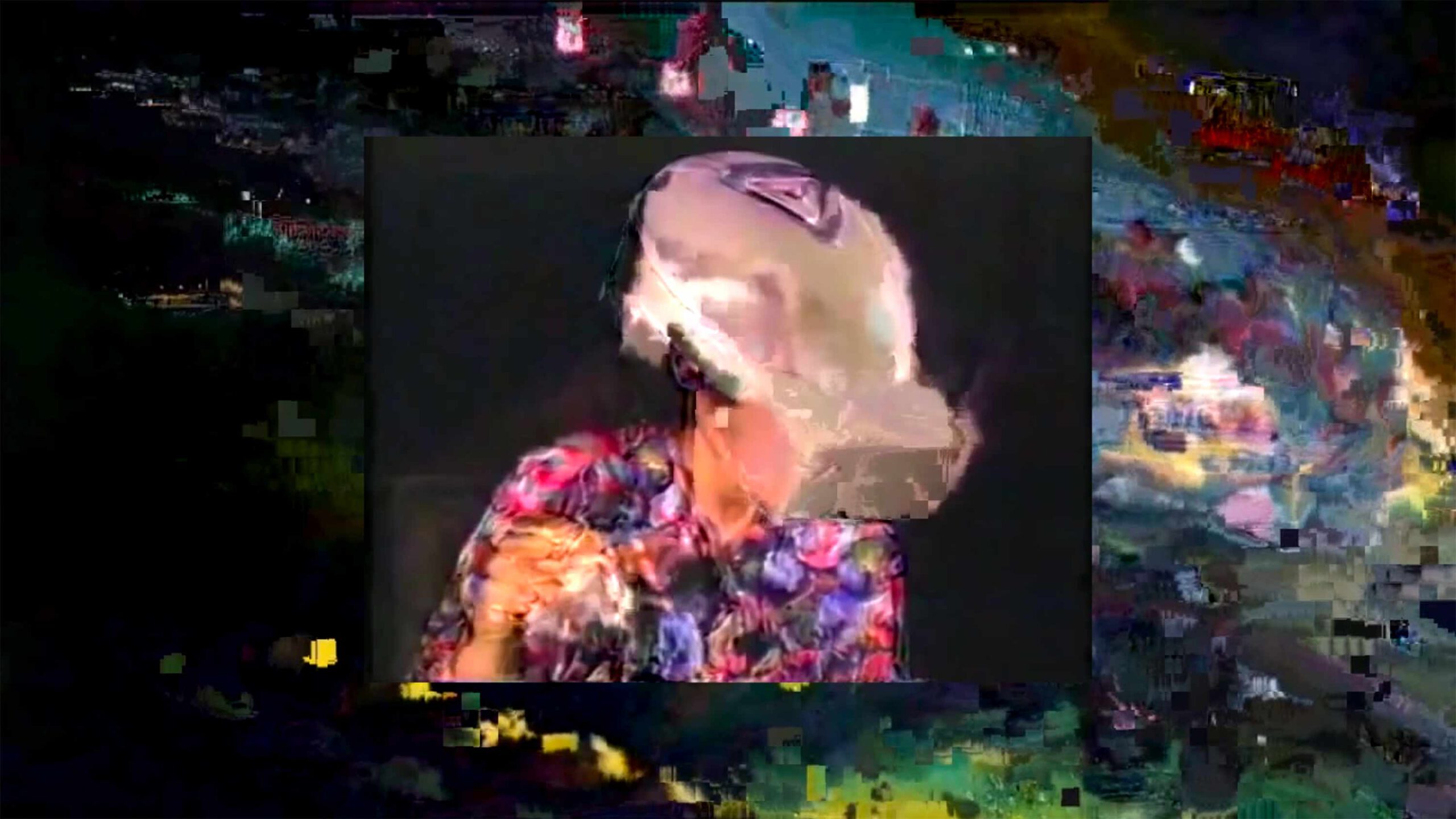 TranslationValentin Pfister Germany, 2016
A person experiences changes in their environment that become part of an alternative reality.
The descriptive text is short and concise, just like the video. As always in the poetry film category, this film is also based on a poem: “Translation” by Conor O'Callaghan. On the other hand, the film is based on the fact that Valentin Pfister can make cool videos and two of his friends (Grischa Erbe, Lukas Hager) can make music that is no less cool. Together, this results in what we think is a very cool poetry film or a cool video.More Info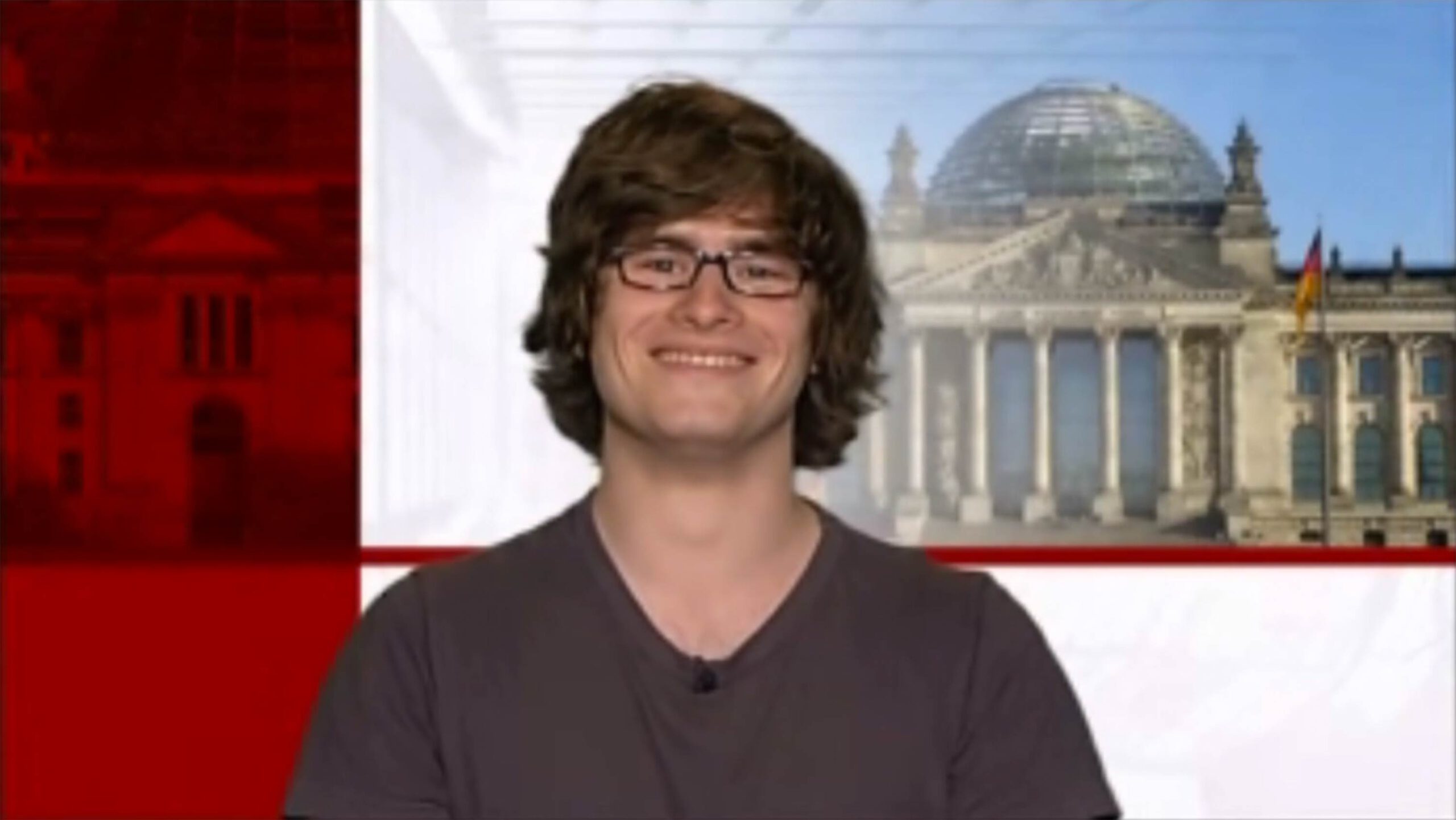 PraktikumTill Gombert Germany, 2018
Till zeigt uns was er bei seinem Praktikum bei der Tagesschau so alles getan hat: die Sportnachrichten anmoderiert! Nur einen Satz, da kann ja zum Glück nicht so viel schief gehen… War schon mal sehr schlecht, ja.
Man kann diesen Film nicht wirklich erklären, man kann ihn deuten, man kann ihn als Fan von Till Gombert (wie wir es von der Redaktion sind) genießen, man kann die Augen verdrehen. Und genau darin liegt die Stärke dieser kleinen Exkursion: Sie bringt uns alle zusammen in unserer Kraft hinzunehmen. Aber mal im Ernst: Es ist doch einfach wirklich witzig!More Info