

 City LightsCharlie Chaplin USA, 1931
A lovable vagabond falls in love with a blind flower seller and does everything he can to help her. Slapstick and tender moments alternate with observations of the bustling city life, all without a single spoken word. Chaplin’s famous dictum, that a film is like a tree—you have to shake it so that everything superfluous falls away and only the essential form remains—is perhaps most beautifully realized in City Lights.
Long after sound films had taken over the market, Chaplin deliberately stuck to the silent film format and expanded it with sound effects and music that he composed himself. The combination of choreographed, physical comedy and emotional depth, the shift between laughter and seriousness, makes it clear just how much Chaplin’s work relies on nonverbal communication, rhythmic movement, and the art of pantomime. Qualities that continue to inspire to this day! Though not a debut, this is the first film we’ve shown in the Blue Salon, marking our tenth anniversary!More Info Perfect DayJames Parrott USA, 1929
Two families embark on a pleasant Sunday picnic but manage to run into a variety of issues with their temperamental automobile. Each incident requires repeated exits and reboardings by Laurel, Hardy, their wives and grouchy, gout-ridden Uncle Edgar.
More Info A Fistful of DollarsSergio Leone Germany, Spain, Italy, 1964
The Man With No Name enters the Mexican village of San Miguel in the midst of a power struggle among the three Rojo brothers and sheriff John Baxter. When a regiment of Mexican soldiers bearing gold intended to pay for new weapons is waylaid by the Rojo brothers, the stranger inserts himself into the middle of the long-simmering battle, selling false information to both sides for his own benefit.
More Info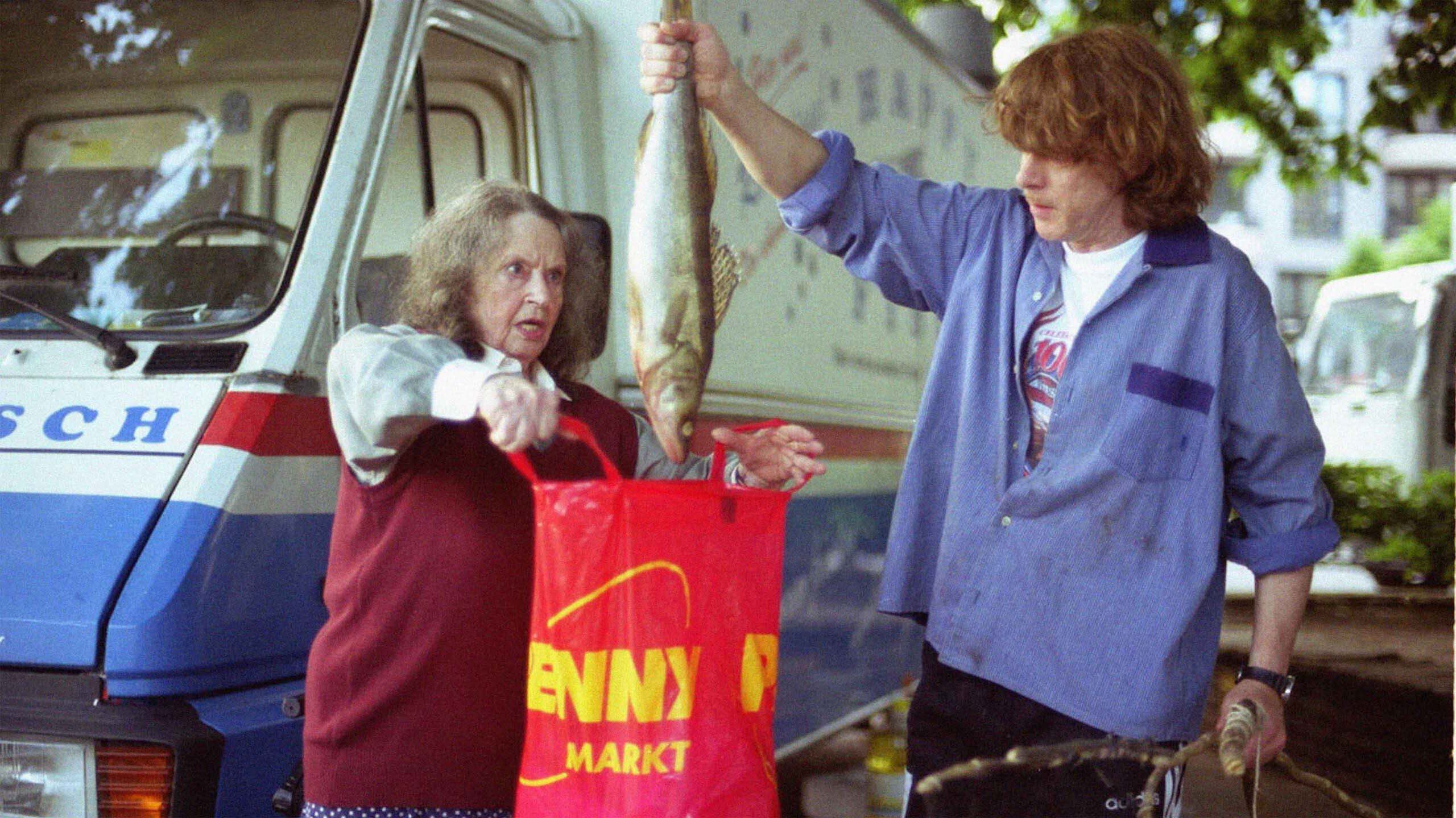 Jazzclub - Der frühe Vogel fängt den WurmHelge Schneider Germany, 2004
The film describes the everyday life of fishmonger Teddy Schu. In order to keep himself and his wife Jaqueline afloat, he also has to work for the agency Señora Fuck under the name Rodriguez Faszanatas as a man for certain hours as well as a newspaper delivery man in the early morning hours. In the evenings, he sometimes meets with a homeless man without a name, who has lost his memory, under a bridge and philosophizes about the hopelessness of everyday life.
More Info Harold and MaudeHal Ashby USA, 1971
Harold is very inventive when it comes to his hobby: staging his suicide - on a rope, in a pool, in a massacre, by explosion. The main beneficiary (as his psychiatrist puts it) is his rich and domineering mother. His second hobby is no less morbid: he attends funerals of people he doesn't know. He shares this predilection with Maude, who is by no means morbid but extremely fun-loving. A love story develops between the two. By the way, she is sixty years older than him.
More Info The Blues BrothersJohn Landis USA, 1980
Jake Blues, just released from prison, puts his old band back togther to save the Catholic home where he and his brother Elwood were raised.
More Info Jackie BrownQuentin Tarantino USA, 1997
Jackie Brown is a flight attendant who gets caught in the middle of smuggling cash into the country for her gunrunner boss. When the cops try to use Jackie to get to her boss, she hatches a plan — with help from a bail bondsman — to keep the money for herself.
More Info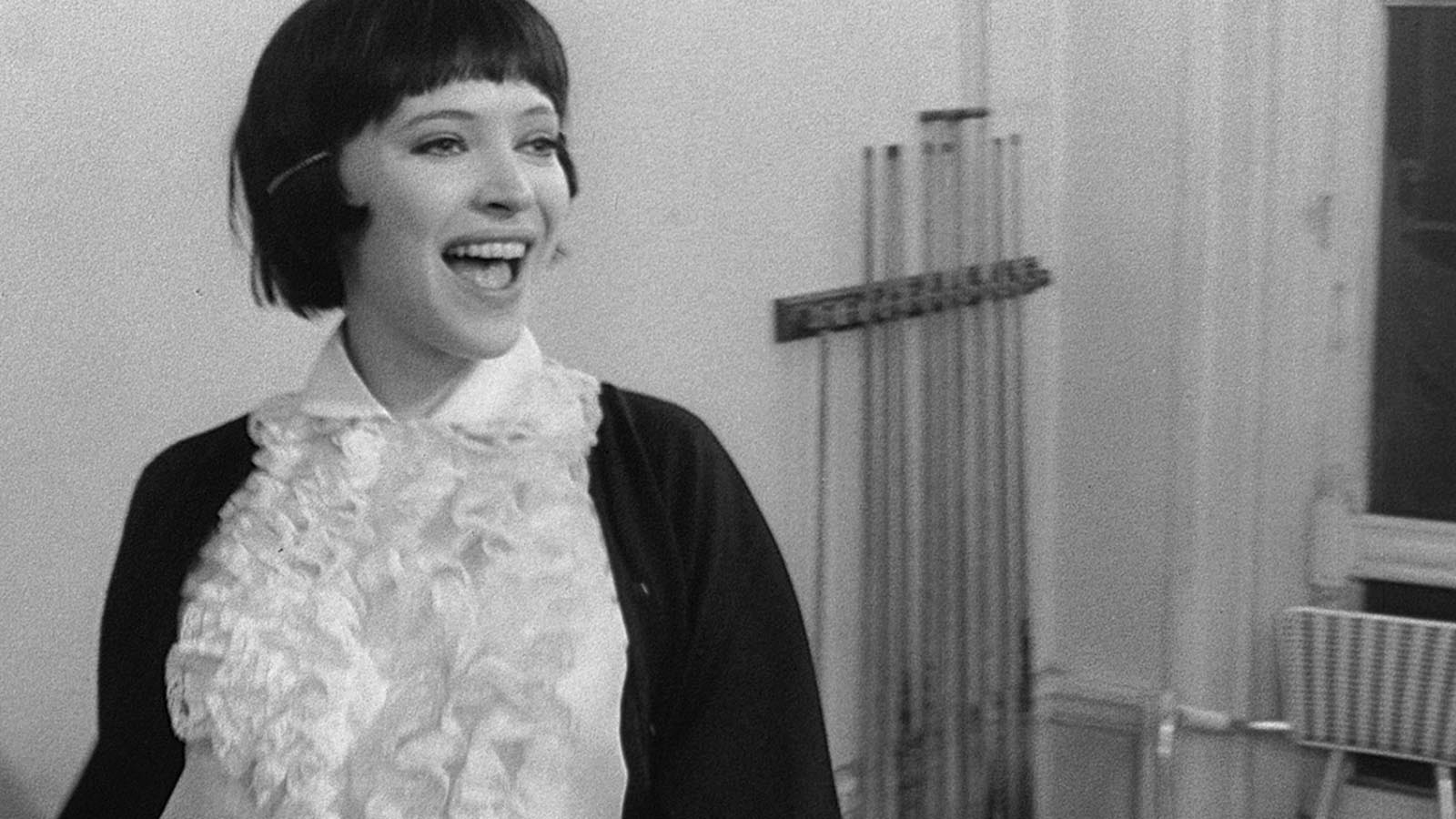 Vivre Sa VieJean-Luc Godard France, 1962
Twelve episodic tales in the life of a Parisian woman and her slow descent into prostitution.
More Info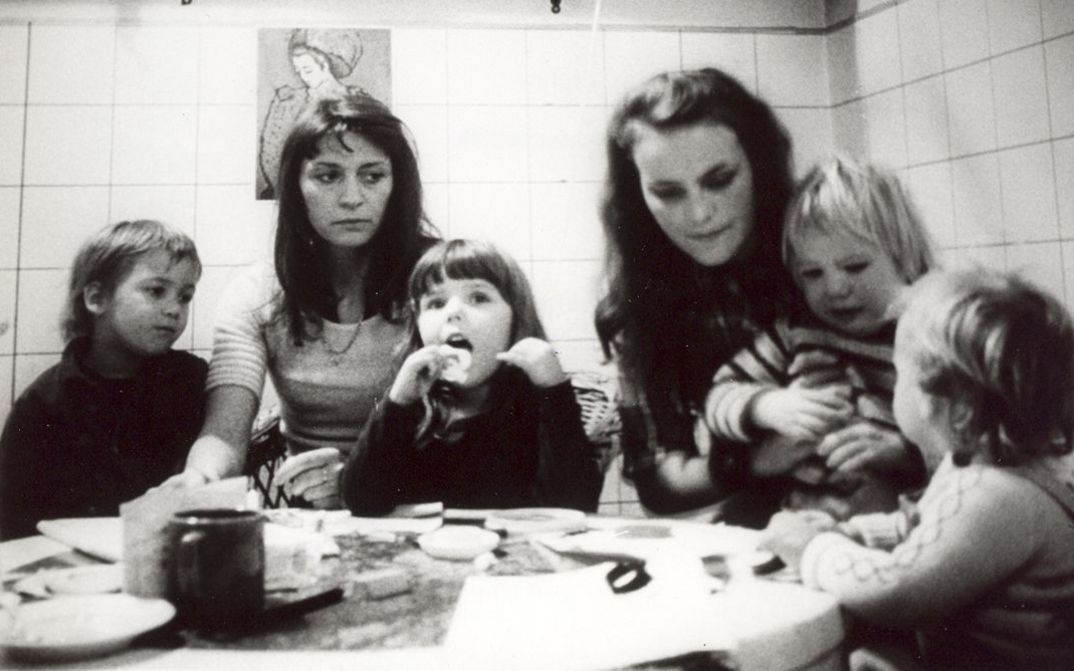 Part-Time Work of a Domestic SlaveAlexander Kluge West Germany, 1973
Roswitha runs an illegal abortion clinic in Frankfurt to support her student husband and children. When she is forced to close her practice she delves into political and social activism.
More Info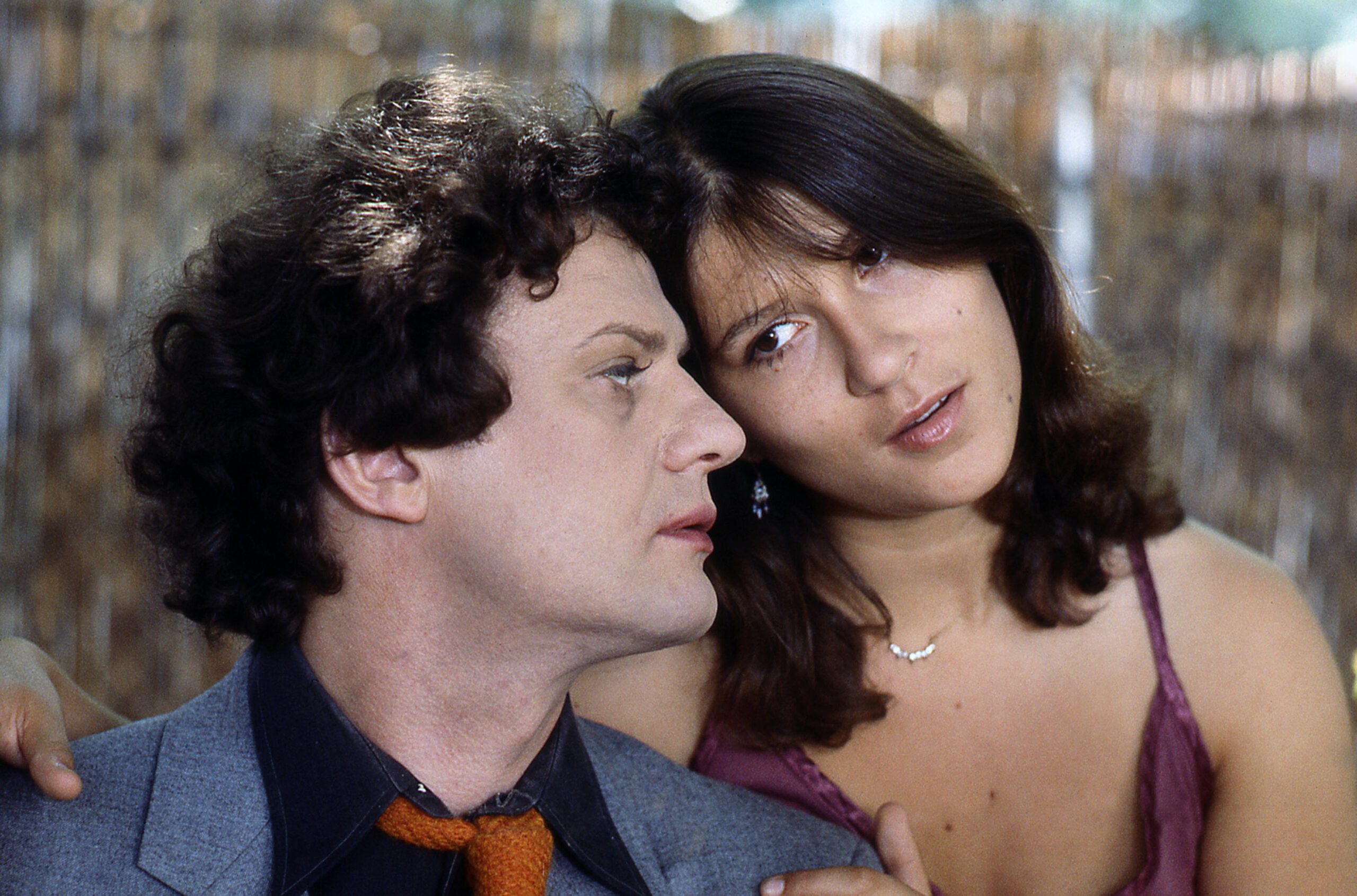 In a Year with 13 MoonsRainer Werner Fassbinder West Germany, 1978
Elvira Weishaupt, once a burly working-class butcher, has made an enormous sacrifice for love. She has undergone a sex change for a romantic interest who has abandoned her, and she now must struggle to reconcile her past life with her present identity.
More Info KoyaanisqatsiGodfrey Reggio USA, 1982
Takes us to locations all around the US and shows us the heavy toll that modern technology is having on humans and the earth. The visual tone poem contains neither dialogue nor a vocalized narration: its tone is set by the juxtaposition of images and the exceptional music by Philip Glass.
More Info