

 Love and DeathWoody Allen USA, 1975
Boris Grushenko sits in a French prison in 1812, awaiting his execution the next morning. He reviews his life, recalling his love for his cousin Sonja (Diane Keaton) and his adventures in the military.
More Info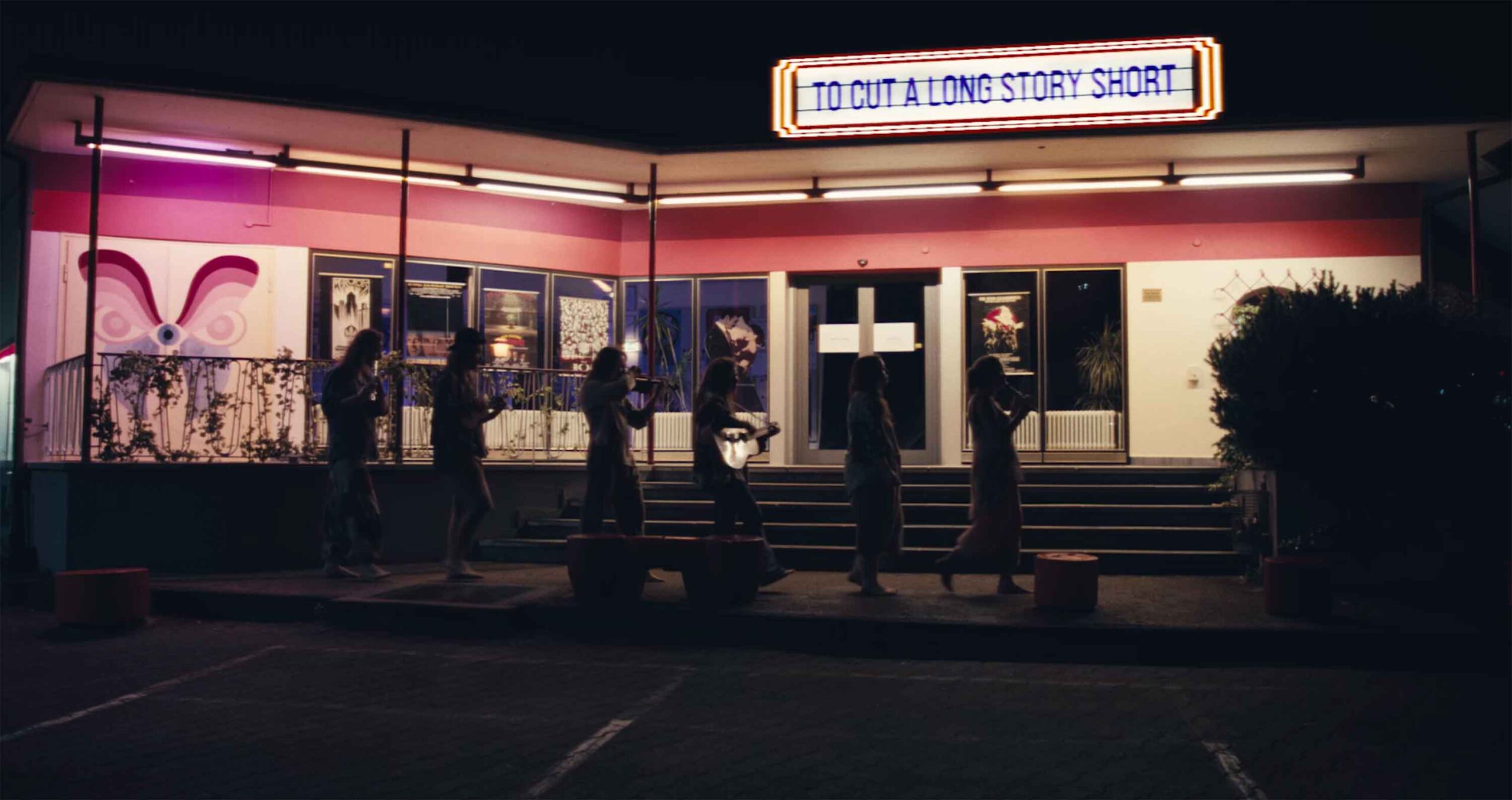 To Cut A Long Story ShortMinh Anh Nguyen Germany, 2021
The opera singer presents the success of her speed diet and gives helpful tips for follow-up problems. The reserved brunette meets the charismatic macho who tries to lure her out of the net of her insecurity. Their joint odyssey leads them to a deserted island, to a swimming pool at night and into a Dionysian bathroom. Too bad she’s a fish who’s afraid of the sea. The redheads meet on the dance floor and speak as if from the same mouth. Magic carries them away, but why, of all things, does the schizophrenic have to show up in the jungle? And then there is the night porter, who is secretly dancing in the hotel’s staff toilet. He obviously has a crush on the pretty waitress from the diner around the corner, but while he’s ogling her over the covers of his Camus book, the stranger suddenly appears and everyone takes a different direction …
More Info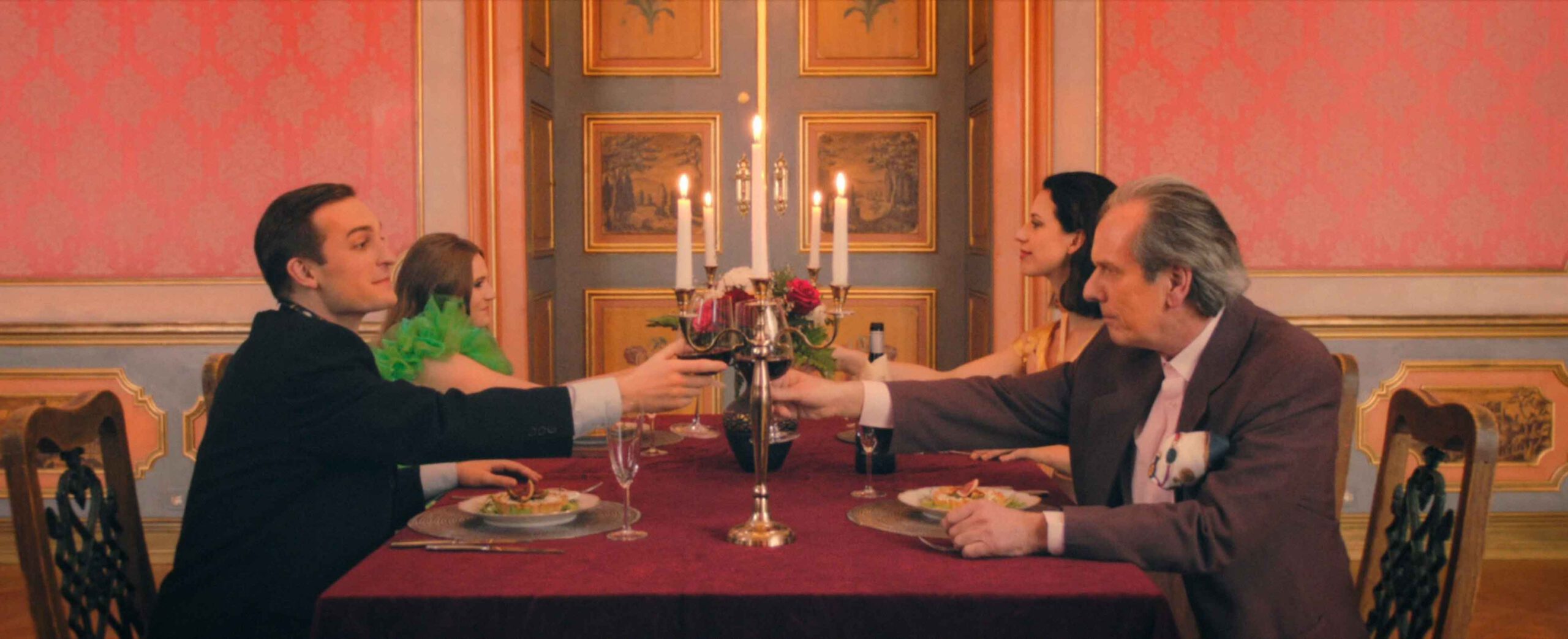 PurpurIsabelle Konrad Germany, 2021
Purpur is an experimental look at gender issues in the film business and tells the story of a film character who rebels against an outdated image of women and a discriminatory system. Isana is the fictional main character of a film production. She receives instructions in the form of script pages. But she wants to break out of the life that has been prescribed for her and determine it for herself.
More Info A New Environment Heinrich Klotz on Architecture and New MediaChristian Haardt Germany, 2019
The old world is gone. Our landscape bears scars. Entire cities have been levelled. Is it possible to regenerate the city without covering over the warnings of war’s aggressions? Or can these ruins provide a unique chance to reinvent the city thoroughly? The art historian Heinrich Klotz took precisely these questions, concerning the reconstruction of Germany’s historical districts after World War II, as the departure point of his practice.
More Info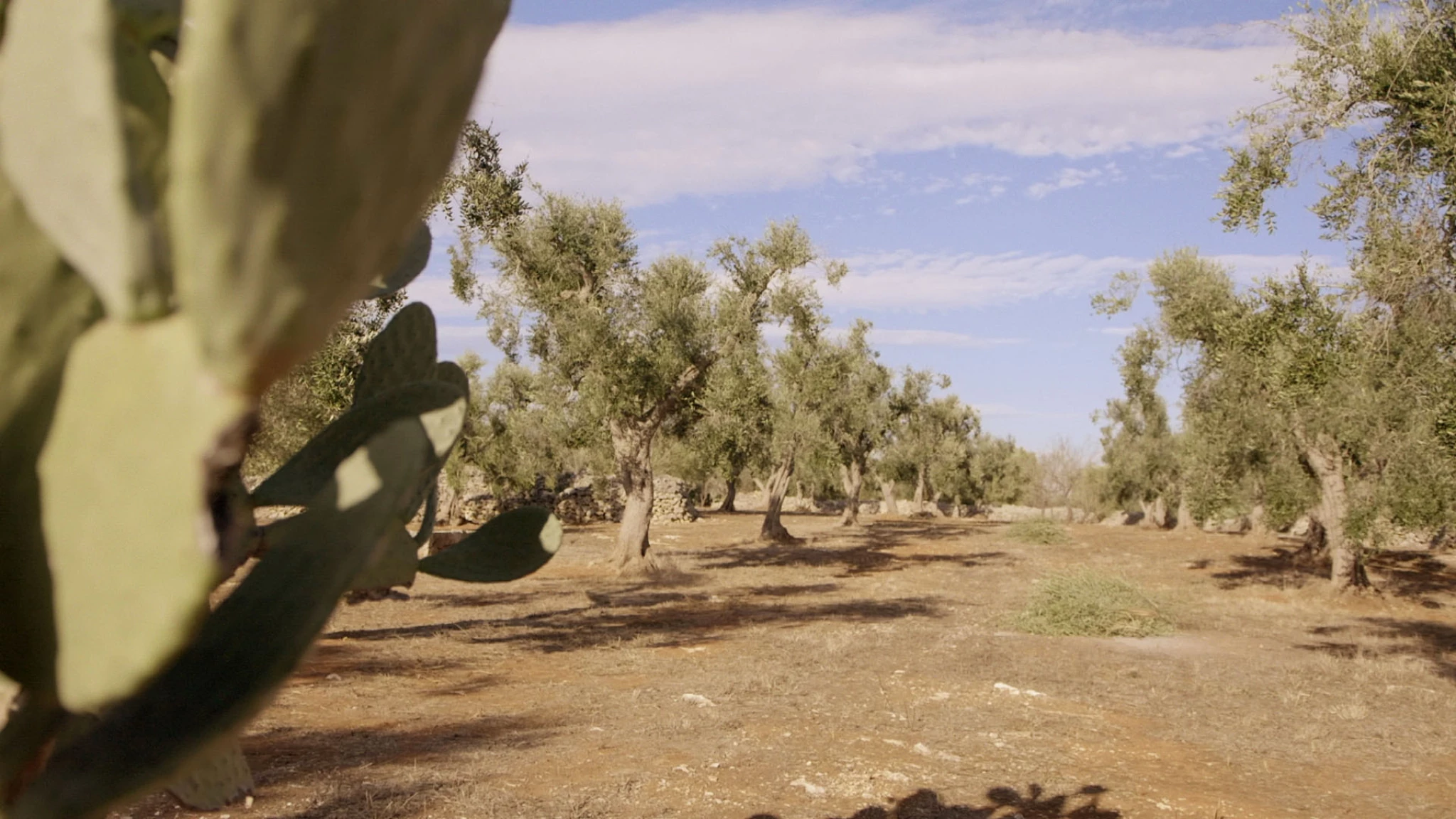 La StanzaDominic Thiel Germany, 2021
Ein Windstoß bewegt den Vorhang am offenen Fenster. Wie kraftvoll können Wörter sein und wie lebhaft die Erinnerungen! In einer ihr fremden Umgebung verfällt eine junge Italienerin der Sehnsucht nach dem Vergangenen.
More Info Conflicting ImageMax Victor Herbert Germany, 2021
How does the depiction of war change in times of Smartphones and the internet? This
documentary uses only YouTube material filmed by soldiers, journalists, civilians or war zone
tourists to portray the absurd global theater of war and its depiction through GoPro cameras,
TV, and VLOGs. A study of modern war aesthetics, the promotion of romanticizing and
glorification of war.More Info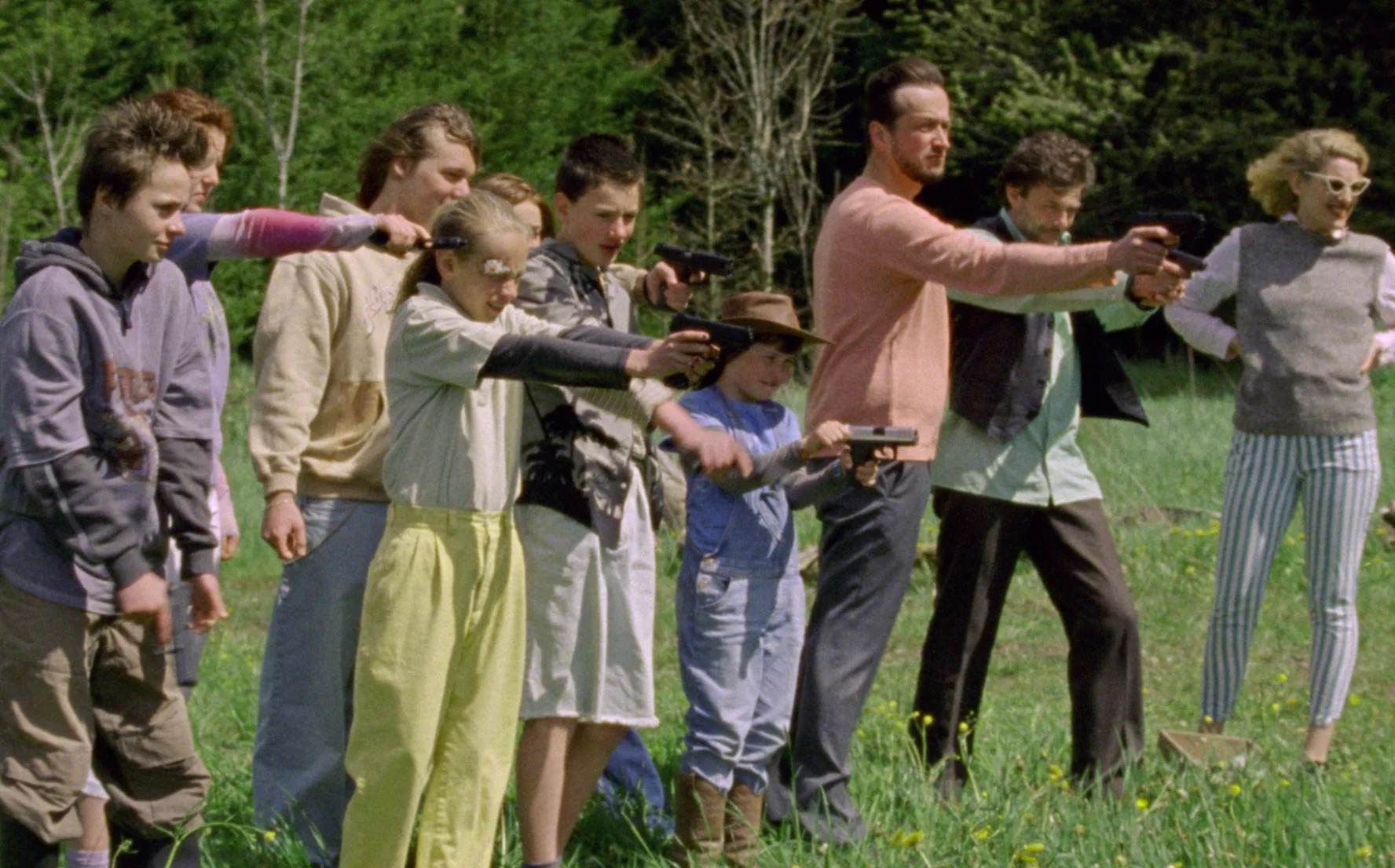 UnterrotensteinSophia Schiller Germany, 2021
On weekends, the farm of a young family becomes the meeting place of a large circle of friends. The impetuous group of children develops its own, childishly brutal dynamic. Power games and a constant struggle for strength drive them on. Thus, they engage in war games, shoot at each other, trick each other and make fun of each other. Nine-year-old Moni, the youngest of the group, is at the bottom of the socio-dynamic food chain. The attraction to her older sister's friend and the question of whether her father is really Moni's father form the background noise of a weekend that seems to stretch on for an eternity. A film about the painful beauty of growing up.
More Info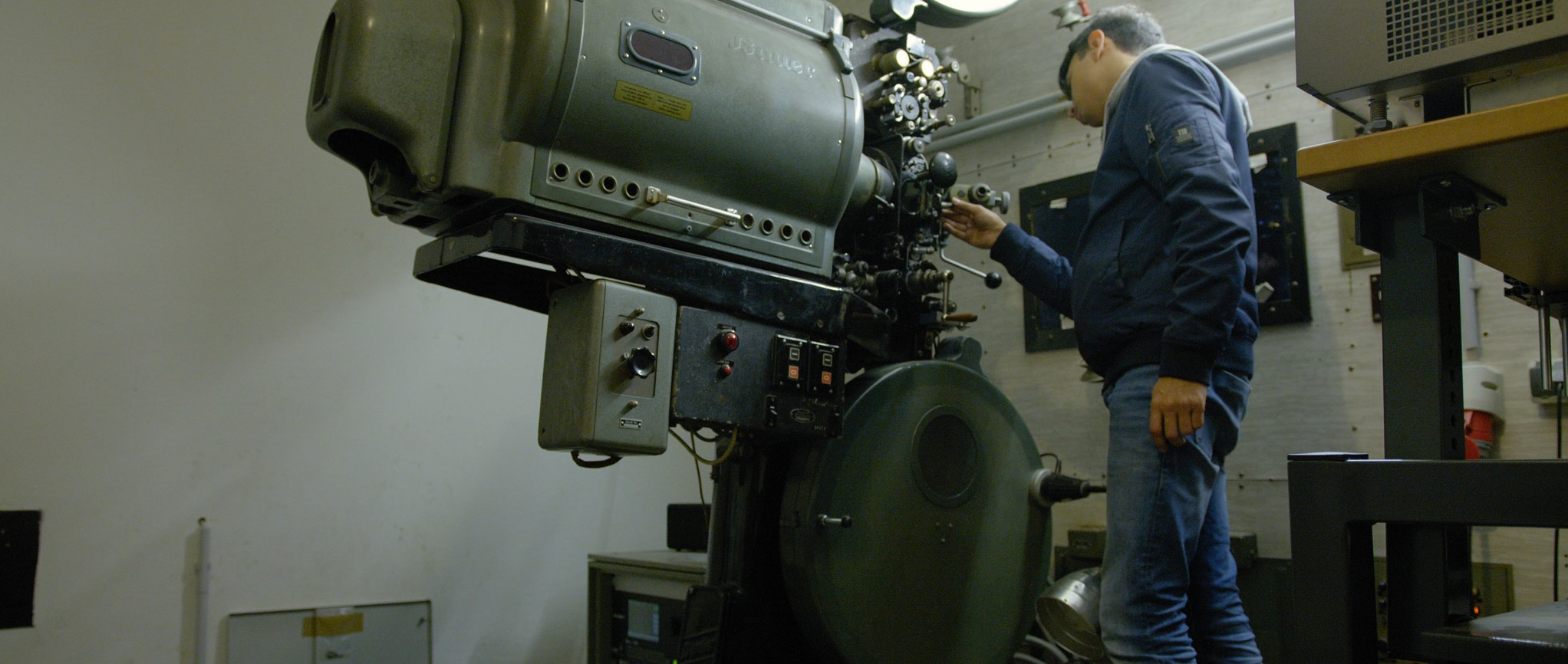 This Is Not The EndJason Stewart Germany, 2021
Three young cinema enthusiasts go on a road trip and visit different cinemas to save old, analog technology. In the process, the very own and soon forgotten stories of the cinema operators from that time come to light again. The result is a special snapshot of cinema, ten years after digitalization, in the middle of a pandemic, with many stories from the "good old days" and yet not just nostalgia. With the worries about the uncertain future of cinema, but also the confidence of many passionately active cinema people. And also a portrait of three anachronistic young people who, in the year 2020, are still completely burning for the long-dead analog cinema and therefore, against all the spirit of the times, are bringing the old back to life. The title "This is not the End" alludes to the core idea: Analog cinema will not completely end as long as there are still people who continue to deal with it, not only conserve it but continue to use it.
More Info Dream MachineVictor Van Wetten, Gerrit Kuge Germany, 2022
Mankind has 8 minutes left, then the Earth will be wiped out. Escape is impossible. In the last heat years before the death of the sun, the remnants of humanity have fled under the surface of the earth. Connected to the "dream machine" that can simulate any fantasy and stretch the perception of time, the physical world has been replaced by the digital world. Here the last 8 minutes become 12 000 years.David and Lena are lovers in this simulated world. After a solar storm by burning David's body, Lena starts an image of David's consciousness, but the backup is faulty and confused.
More Info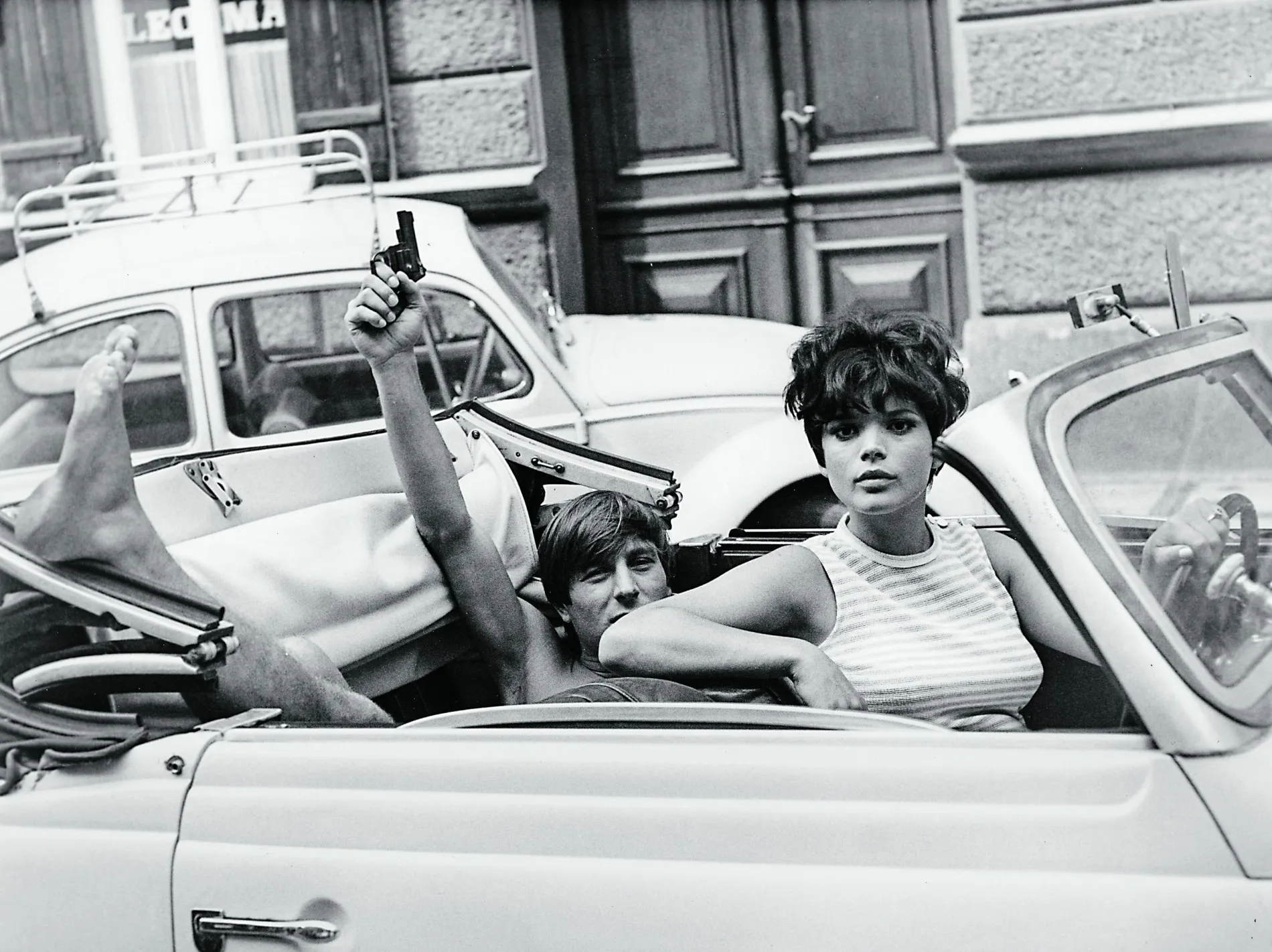 Go for It, BabyMay Spils West Germany, 1968
Experience the adventurous, thrilling, and dramatic tale of a... groper. Martin (Werner Enke) drifts through life, spouting pseudo-philosophical one-liners and living in the moment. He collects potatoes and stones that resemble the heads of friends and acquaintances, idolizes "the father of Balzac," who supposedly spent 20 years in bed, and asks a girl he picks up at the swimming pool whether she could “support” him—before inviting her into his own bed. His motto: “It’s going to end badly...” But then Barbara (Uschi Glas) enters the picture and turns his world upside down.
Zur Sache, Schätzchen became an unexpected box office hit and is considered the most successful film of the Schwabing film scene and the New Munich Group. It was a bold slap in the face to the self-righteous postwar society and the ideology of the economic miracle, to the emerging sexual revolution, and to Munich’s smug film and pop culture scene. At just 26, May Spils became the first female director of the postwar generation to present a comedy that cheekily captured the spirit of the times—and still feels fresh today.More Info A Hard Day's NightRichard Lester United Kingdom, 1964
On the way to a live performance in a London television studio, the four Liverpool musicians John, Paul, George and Ringo get into a series of absurdly funny situations. Their long-suffering manager Norm has his hands full protecting the four Beatles from a pack of screaming fans and fanatical journalists. But in addition to their two managers, the Beatles are also accompanied by Paul’s grandfather, and he’s in a big mood for a party.
More Info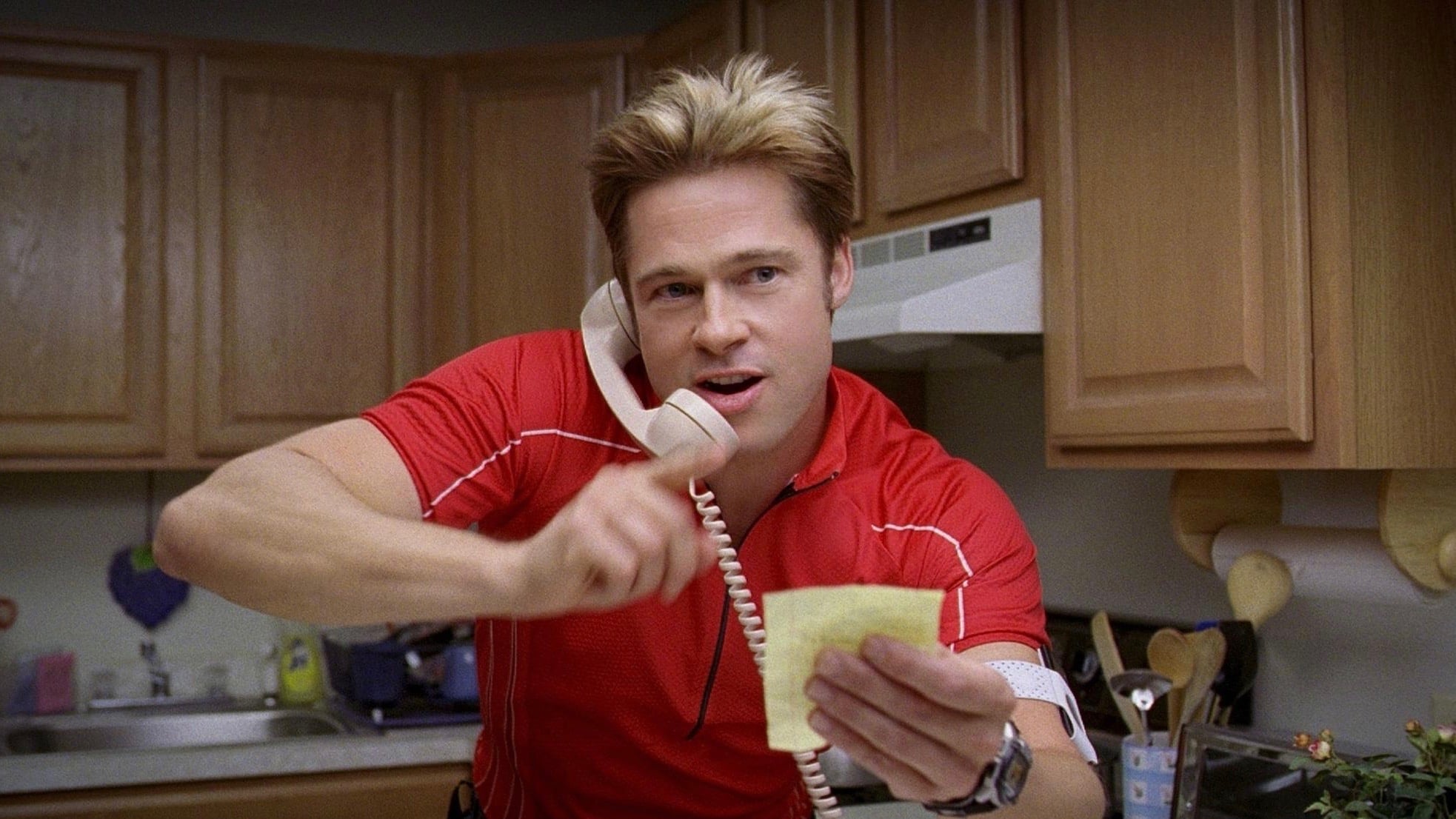 Burn After ReadingJoel Coen, Ethan Coen USA, United Kingdom, France, 2008
Linda and Chad, two not-so-clever employees of a Washington gym, one day get their hands on a mysterious CD-ROM. It turns out that it belongs to former CIA employee Osborne Cox and contains supposedly explosive information about the US secret service.
More Info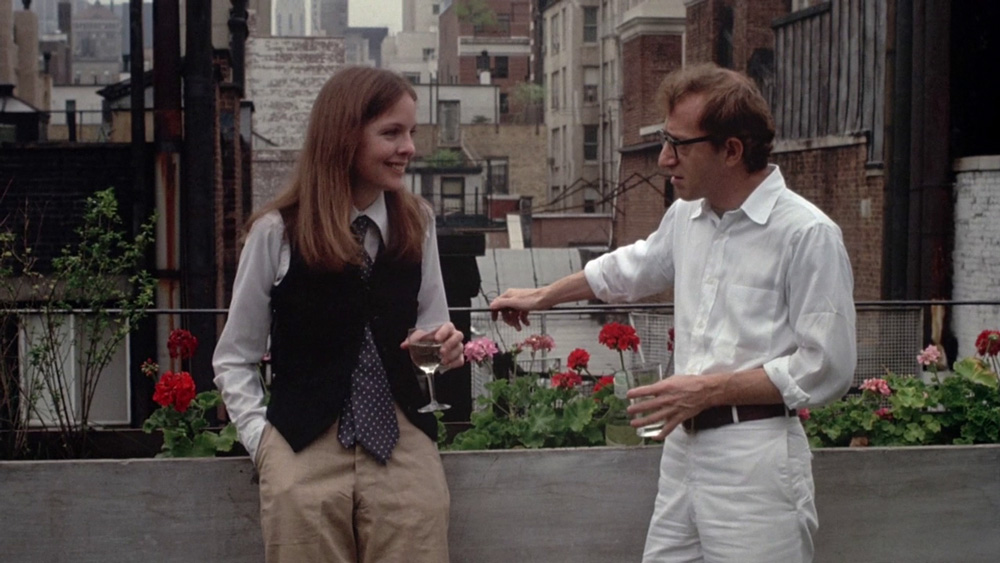 Annie HallWoody Allen USA, 1977
Alvy meets Annie at a tennis doubles match to which a friend invites him. The young man is immediately taken with her and after some bumpy small talk, she invites him to her home. The two begin a relationship and seem to get along unusually well, but Alvy’s neurotic nature and Annie’s drive for a free, self-determined life soon lead to irreconcilable differences in their relationship.
More Info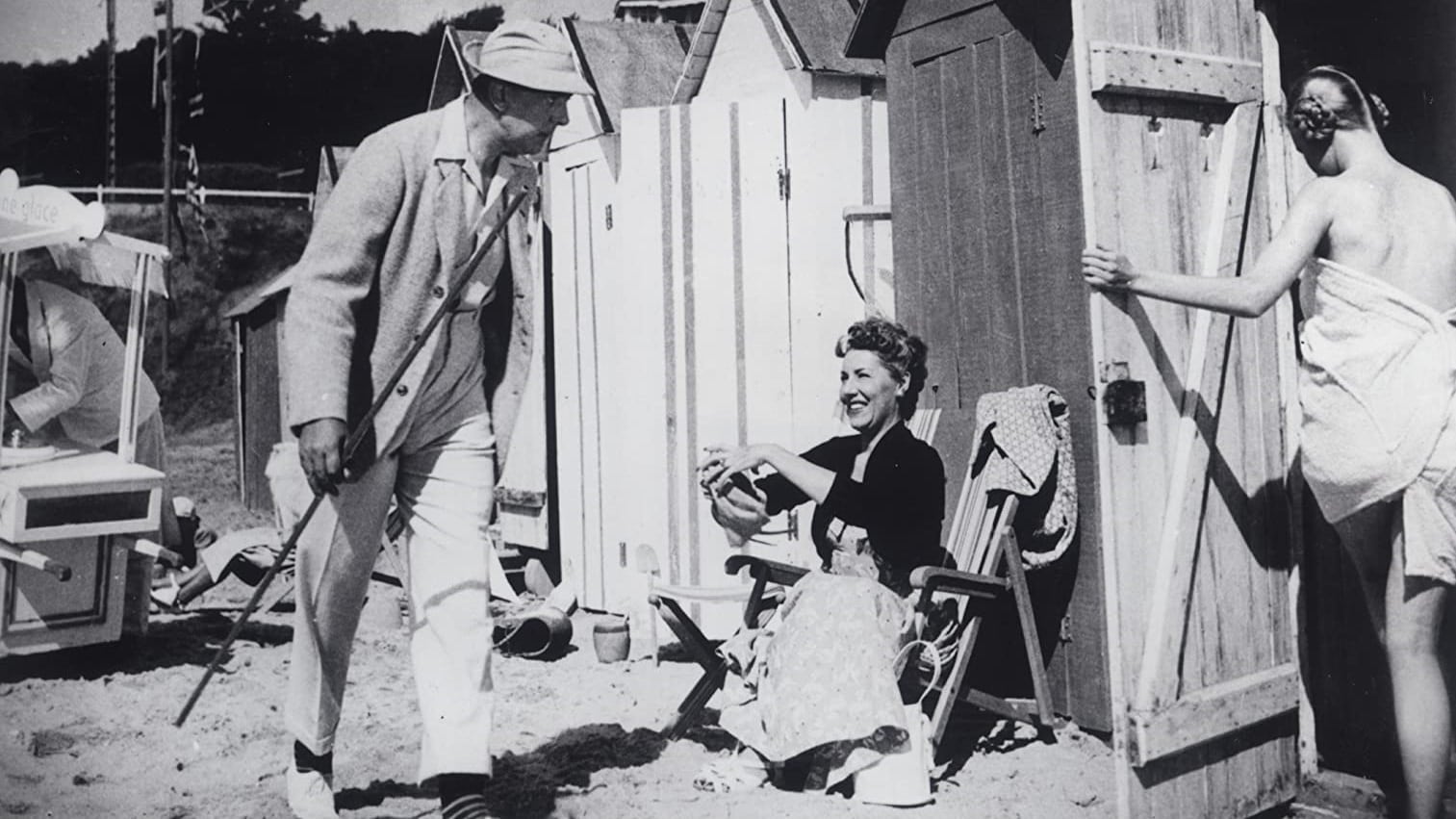 Monsieur Hulot's HolidayJacques Tati France, 1953
Monsieur Hulot, a bourgeois petty bourgeois, drives to Brittany in his ancient car to enjoy his well-deserved vacation. He finds a room under the roof in a small boarding house and from then on tries hard to entertain the other guests and arouse their interest. He is particularly taken with young Martine, whom he shyly courts. But all his further efforts to find company among the guests cause misunderstandings and disasters.
More Info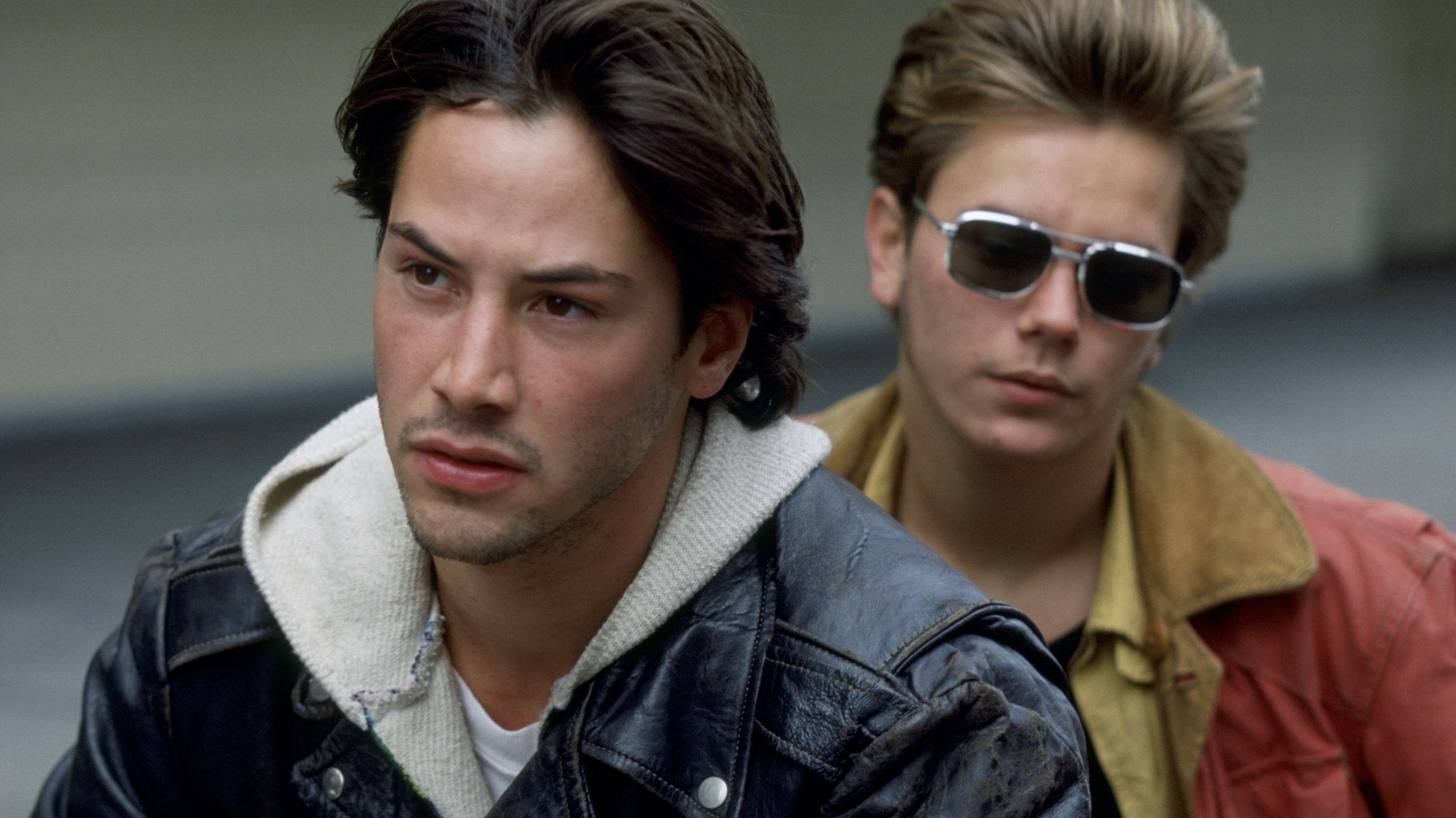 My Own Private IdahoGus Van Sant USA, 1991
Mike and Scott work as street hustlers in Portland. While the amiable Mike grew up in difficult circumstances and has not seen his parents for years, Scott comes from one of the most respected families in the city and rebels against his father. In search of Mike’s mother, the two travel to Europe, where their intimate friendship is shattered.
More Info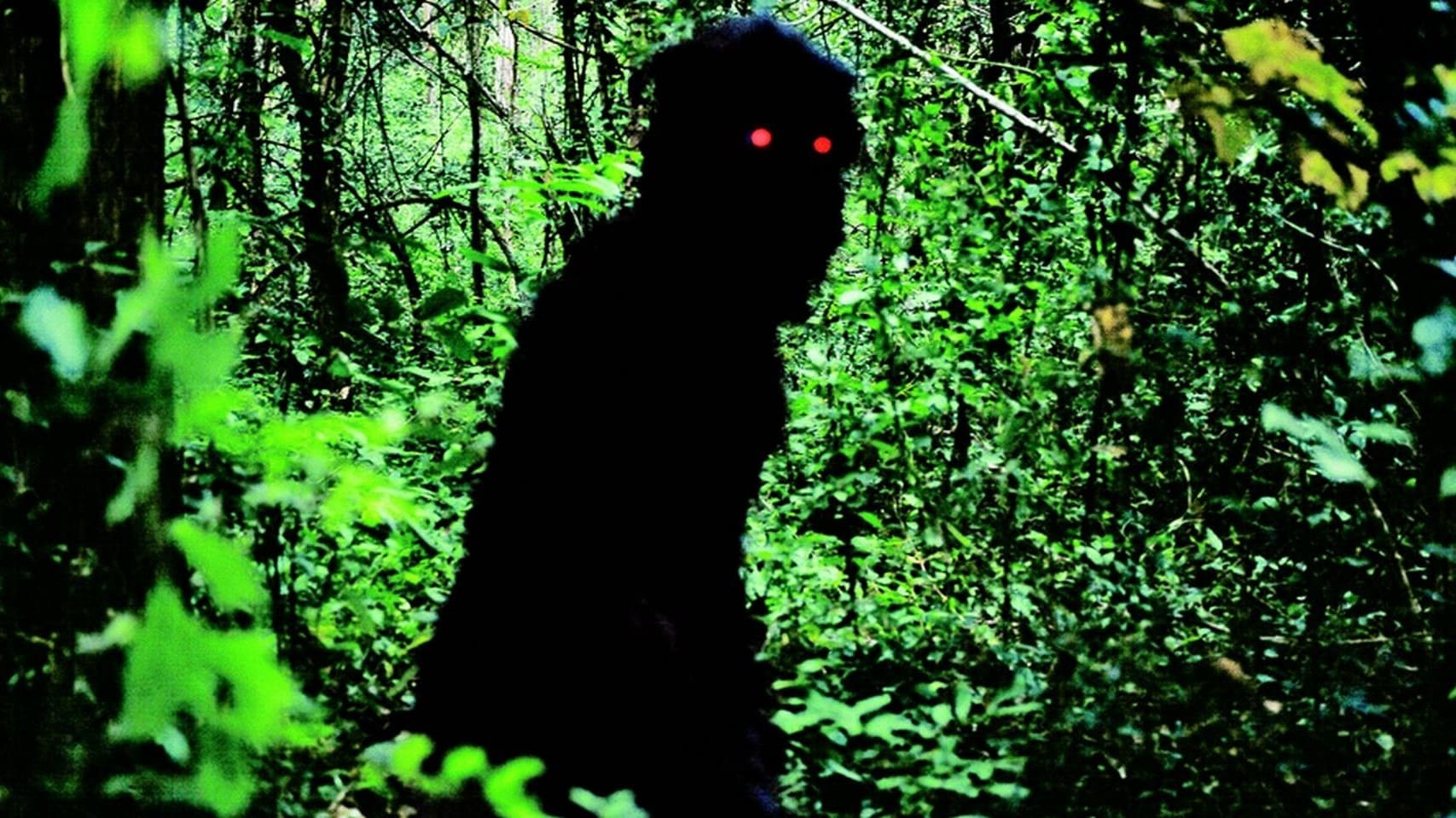 Uncle Boonmee Who Can Recall His Past LivesApichatpong Weerasethakul Thailand, United Kingdom, France, Germany, Spain, Netherlands, 2010
Uncle Boonmee has returned to his home in northeastern Thailand to die in peace. As he sits on the porch in the evening with his sister-in-law and nephew, they are joined by his wife, who died 19 years ago, and the ghost of his son Boonsong. Together with them, Boonmee makes his way to his origin, a cave.
More Info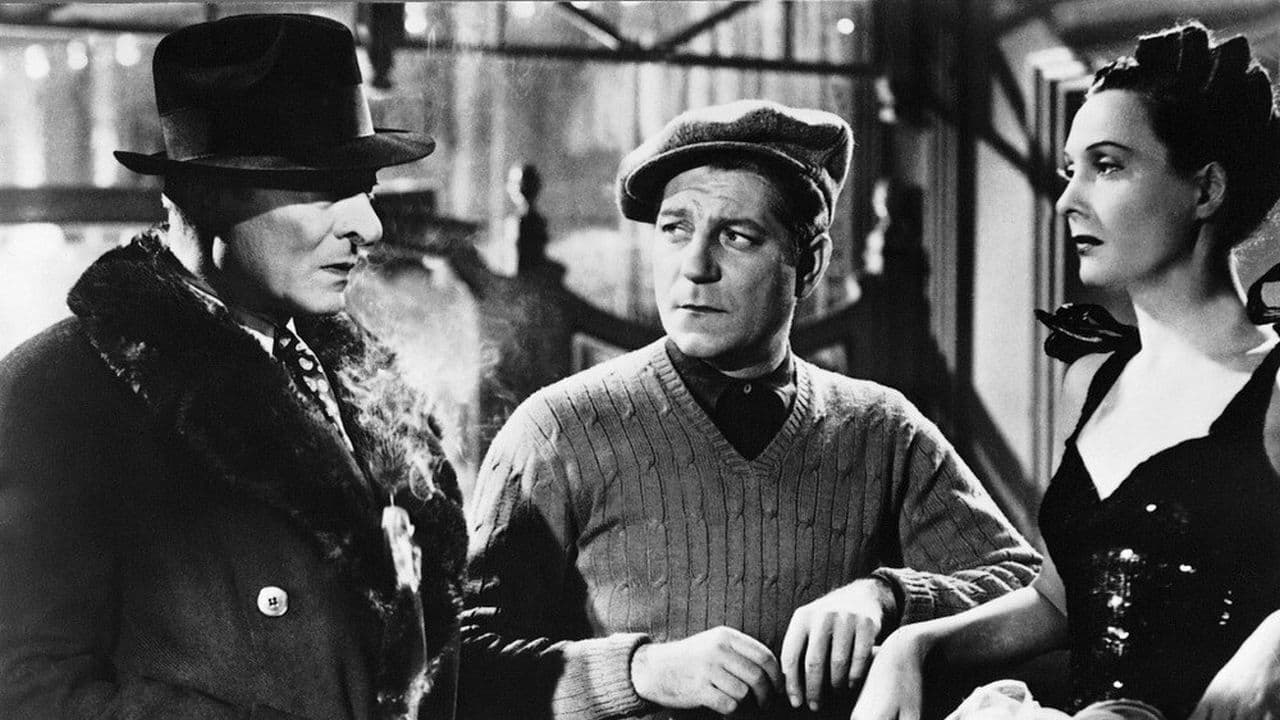 DaybreakMarcel Carné France, 1939
François, a worker in an iron foundry, has shot a man. As day dawns, the police have already surrounded the house and cordoned off the street. François locks himself in the attic and reviews the events leading up to the fatal shooting: François had fallen in love with Françoise, a flower seller. One evening he secretly follows her and observes that Françoise is having an affair with Valentin.
More Info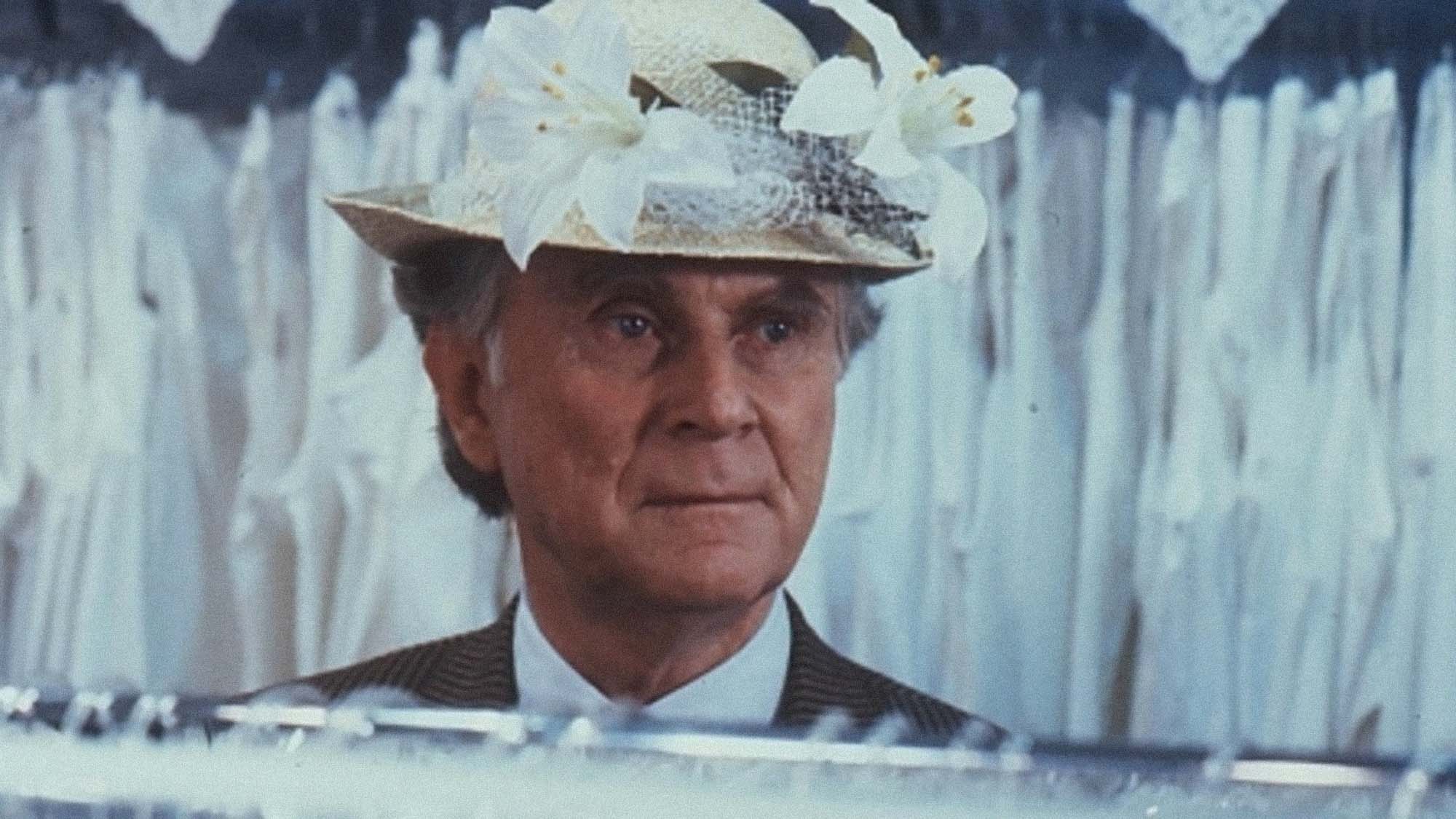 Pappa ante PortasVicco von Bülow Germany, 1991
After ordering enough typewriting paper for 40 years, just to get discount, Heinrich Lohse is forced to retire.
More Info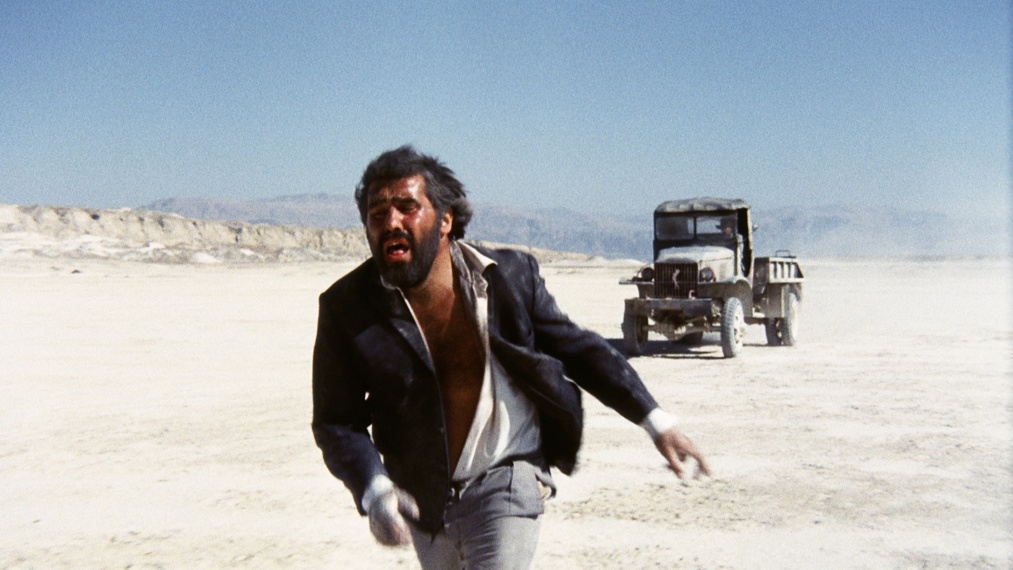 DeadlockRoland Klick Germany, Israel, 1970
After pulling off a bank robbery two bandits meet in a deserted mining town to divide their loot but an old miner tries to steal it from them.
More Info Easy RiderDennis Hopper USA, 1969
A cross-country trip to sell drugs puts two hippie bikers on a collision course with small-town prejudices.
More Info