


City of Cinema
The city is more than a backdrop. It guides movements and encounters, separates people or brings them together, and sets the rhythm of everyday life. In cinema, it is therefore not merely depicted. Through editing, framing, light, and sound, it is continually recreated as the setting for stories, an expression of social conditions, and sometimes as the true protagonist.
The history of cinema is closely linked to the history of the modern city. Both are shaped by movement, density, and change, by flows of people, images, and gazes, by unexpected encounters and fleeting moments. Streets, apartments, squares, and transit spaces become narrative landscapes in which social relationships, political conflicts, and personal memories are inscribed.
Kino über der Stadt brings together films in which urban spaces decisively shape both narrative and aesthetics. Ranging from the city symphony to genre cinema, from documentary to fiction, they present the metropolis as a place of intimacy and alienation, community and isolation, memory and transformation. At the same time, they ask how cities shape our lives and how cinema changes the way we perceive these spaces.
Upcoming Screenings
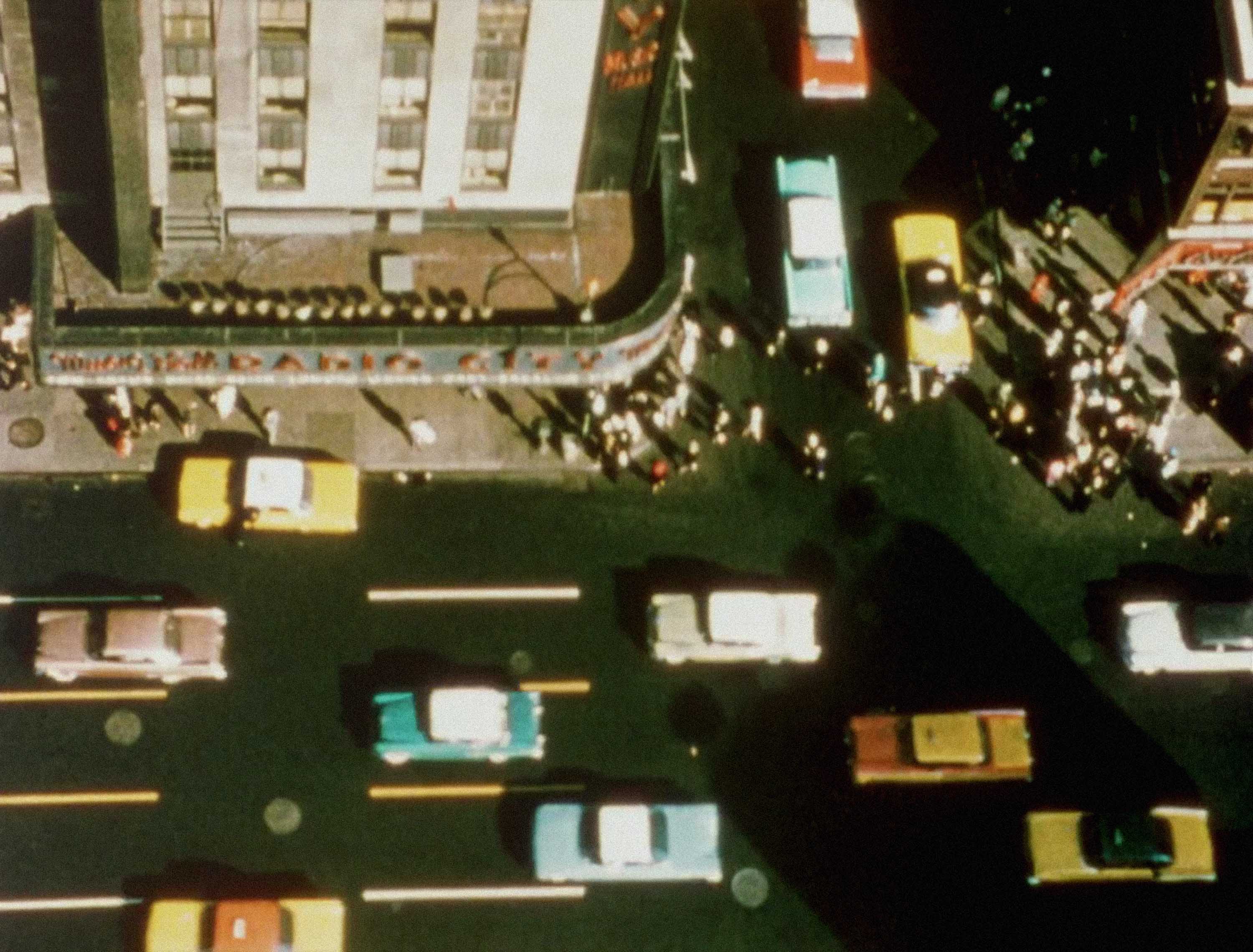

Berlin – Die Sinfonie der Großstadt
35mm | dt. ZTTalk by Dr. Chris Dähne | DJ-Set von Lux LauterwasserMore Info


